This guide covers what you need to know about the city, from its infrastructure, sights and festivals to the local property market.
Avilés: Climate and Weather
Avilés has a temperate maritime climate typical of Spain’s northern coast. Temperatures remain moderate throughout the year, averaging around 10°C in winter and reaching about 22°C in summer. Rain is common, particularly in autumn and winter, helping to keep Asturias green and lush. Summers are comfortable rather than scorching, making Avilés a good choice for anyone who prefers mild weather and wants to avoid extreme heat.
Avilés: A Brief History
Avilés is one of the oldest cities in Asturias, with roots that date back to Roman times. In the Middle Ages, it became an important port for maritime trade. Its strategic position on the Cantabrian coast helped the local economy flourish, particularly around the turn of the 12th and 13th centuries. The discovery of the Americas further strengthened Avilés’s importance, as ships bound for the New World set sail from its port.
Industrialisation brought rapid change in the 19th and 20th centuries, with steelworks and other industrial plants established in the city. Today, the Avilés plant produces galvanised steel and tinplate using flat-steel rolling technology.
Avilés continues to develop while retaining its historic character, striking a balance between old and new.
Avilés: Main Sights and Infrastructure
Avilés has good road, rail and air connections. Asturias Airport is just 15 kilometres from the city. Local infrastructure includes modern public services, medical centres and schools, as well as a well-developed public transport network.
The city offers a wide range of attractions, from historic landmarks to contemporary cultural venues. Here are a few places worth visiting:
The Old Town (Casco Antiguo)
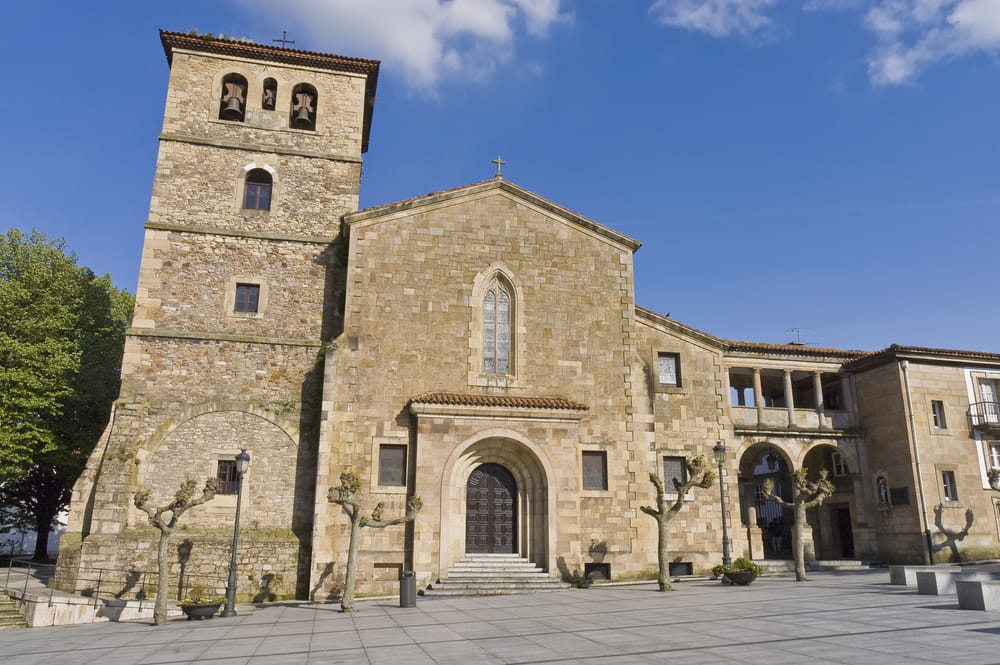
The Old Town is a maze of cobbled streets, medieval buildings and charming squares. Notable historic landmarks include the Church of San Nicolás de Bari (Iglesia de San Nicolás de Bari), the 14th-century Gothic Valdecarzana Palace (Palacio de Valdecarzana) and the Avilés Municipal Cultural Centre (Casa Municipal de Cultura).
Oscar Niemeyer International Cultural Centre (Centro Niemeyer)
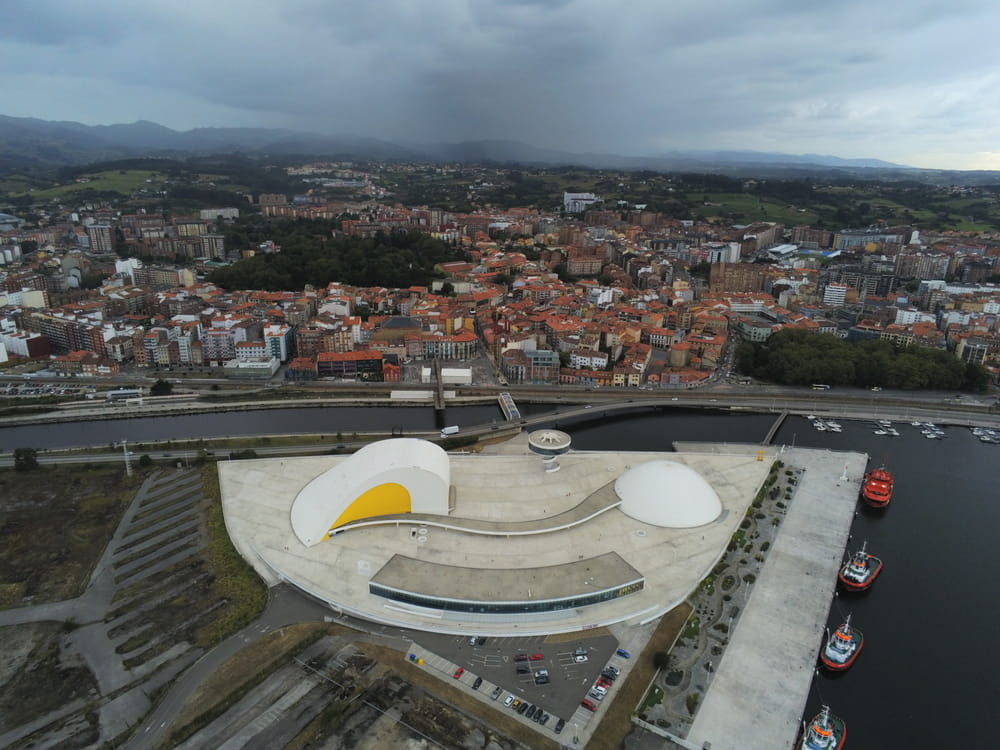
A striking example of contemporary architecture, the Niemeyer Centre hosts art exhibitions, performances and conferences. Designed by the renowned Brazilian architect Oscar Niemeyer, it creates a bold contrast with the city’s historic buildings.
Ferrera Park (Parque de Ferrera)
Ferrera Park is a green oasis in the heart of the city. It is an ideal place for a leisurely walk, a jog or simply a quiet break surrounded by nature—a welcome escape from city life.
The Tourist Pier (Muelle Turístico)
This part of Avilés’s port offers lovely sea views and is a great place to try fresh seafood at one of the local restaurants.
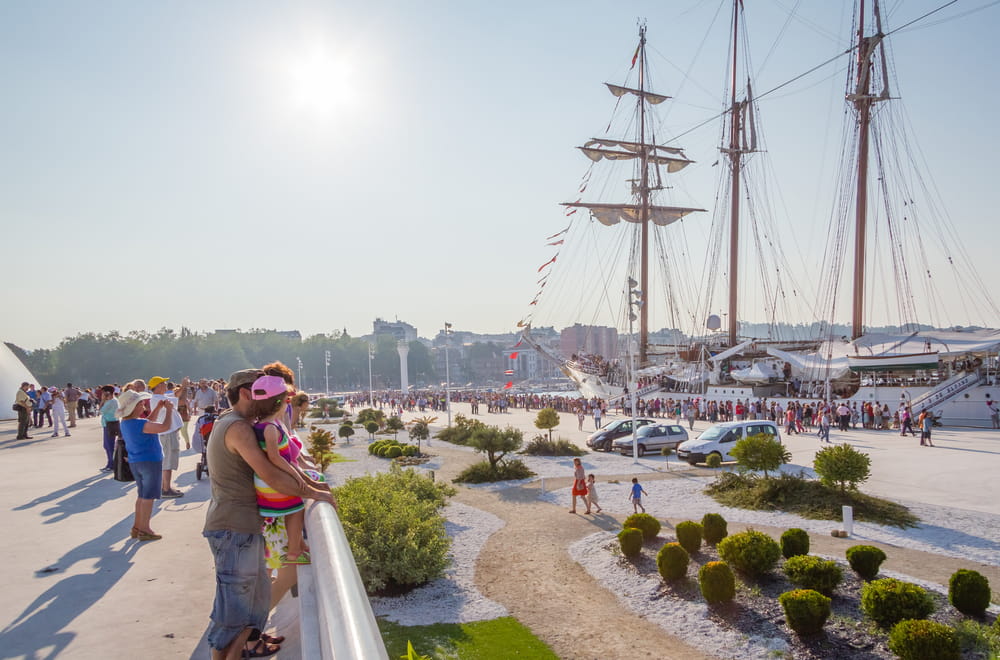
Photo: David Pereiras / Shutterstock.com
Salinas Beach (Playa de Salinas)
Just a short drive from the city centre, Salinas Beach is a favourite with locals and visitors alike for surfing and sunbathing. Its golden sand and deep sapphire-blue waves make it especially appealing.
Avilés: Festivals and Celebrations

Photo: Mazur Travel / Shutterstock.com
Avilés hosts lively celebrations throughout the year, reflecting Asturias’s rich cultural traditions. Some of the city’s best-known events include:
Antroxu Carnival
One of Avilés’s most colourful celebrations, Antroxu features parades, music and elaborate costumes. It regularly draws visitors from across the region.
La Mar de Ruido Festival
This lively music festival takes place in late summer. Its varied competitions and events give performers the chance to showcase their talents across a range of genres.
Fiesta de San Agustín
This popular summer festival lasts a full week and usually features concerts by local singers and dancers, fireworks and tastings of traditional Asturian food.
Avilés: Property
If you are thinking of moving to Avilés or considering it as an investment, the city’s property market in Asturias offers a range of appealing options:
Apartments
The city centre has plenty of characterful flats, many in restored historic buildings. They are a great fit for anyone who wants to be close to cultural attractions.
Country Homes
On the outskirts of Avilés, you can find comfortable modern homes with gardens and spacious, landscaped yards. These areas are especially popular with families and retirees.
Coastal Property
If you dream of living by the sea, nearby areas such as Salinas offer attractive beachfront homes with impressive views.
Property Prices in Avilés
The average price of housing in Avilés is €1,751 per m², up 7.3% year on year. By comparison, the average price of residential property in Asturias is €1,923 per m², an annual increase of 12.5%.
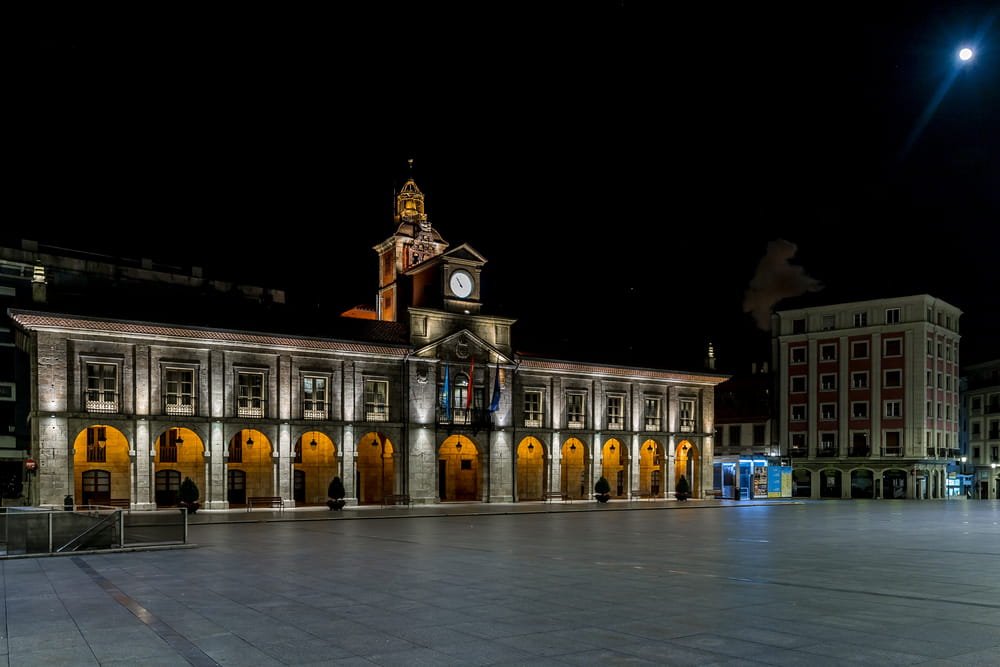
Photo: Alexey Fedorenko / Shutterstock.com
Investment Opportunities
Avilés is attracting growing interest from property investors, thanks in part to its affordability compared with some of Spain’s better-known cities.
Property here is significantly less expensive than in major cities such as Madrid (€5,066 per m²) or Barcelona (€5,463 per m²), making Avilés an appealing option for investors.
In short, Avilés combines a rich history, a lively cultural scene and beautiful natural surroundings. Its historic architecture sits alongside modern infrastructure, giving the city a character all its own.
Whether you are planning a visit, looking for a place to settle or exploring investment opportunities, Avilés is well worth discovering. Its welcoming community, vibrant traditions and scenic seascapes make it a truly special part of Spain.
The Alegría team is here to help you find the right property in sunny, welcoming Spain.