We have already told you about the wizarding characters that bring sweets and toys to Spanish children in any corner of the country for the New Year and Christmas.
The New Year and Christmas traditions of Spain are no less interesting than its magical characters and deserve special attention. Do you want to take part in them? Then let’s get to know them better.
Christmas Decorations
As early as the end of November, large cities and small towns (and even some villages) in Spain begin to be decorated with a Christmas theme. The streets twinkle with colorful festive lights, creating bizarre patterns: stars, snowflakes and even a reindeer and sleigh.
There is nothing more cozy than walking through the winter Spanish streets, admiring the night illumination, or just be sitting on the veranda of an outdoor cafe and treat yourself to hot churros with flavored chocolate or a bag of roasted chestnuts.
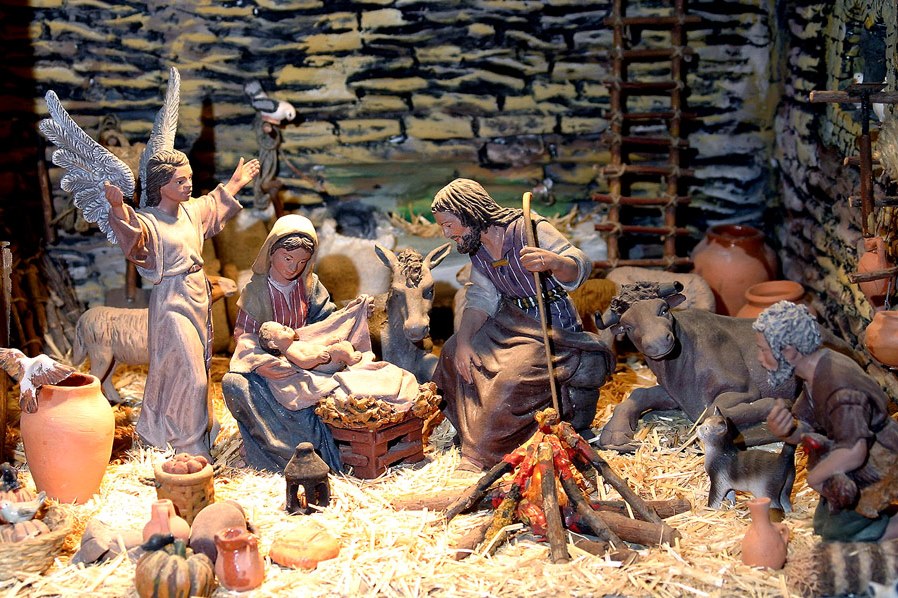
In addition to magic lights, Christmas nativity scenes became another favorite decoration of the streets. Not only the story of Mary and Joseph, the Baby Jesus, three wise men with gifts, the Star of Bethlehem and a stable with domestic livestock is reflected there – the holy pictures will be amazingly detailed and exciting. When you step closer, you can actually see a hidden caganer (a defecating man) on one of them – no any insult to religious feelings – this is quite a traditional, and therefore harmless Christmas character.
The Christmas Fair can be called the third important Christmas decoration of Spanish streets. Yes, it may be a little short on real snow and cold, when it’s so nice to drink mulled wine and nibble ginger cookies, but otherwise its assortment is no worse than in the Christmas markets of other European cities. A lot of Christmas tree toppers, wonderful gifts for all the family and friends can be found here, as well as incredible Spanish Christmas sweets – turrons-polvorones, marzipan and troncos de navidad or fine wines and jamon, and purchasing of a whole Christmas basket (Cesta de Navidad) is a win-win situation!
What are Spanish Christmas Baskets?
Their content and cost can vary greatly, but one thing’s been true since time began – the highest quality and excellent taste of traditional Spanish delicacies.
Incomparable Spanish jamon, cheeses, pates, olive oil, fine wines, sweets and much more will give you an unforgettable gastronomic pleasure.
Such a gift will always be appropriate: Christmas baskets in Spain are given to their employees, friends and just good neighbors. Do you want to please your loved ones? The Christmas basket will be a welcome step in this direction.
Christmas Lottery
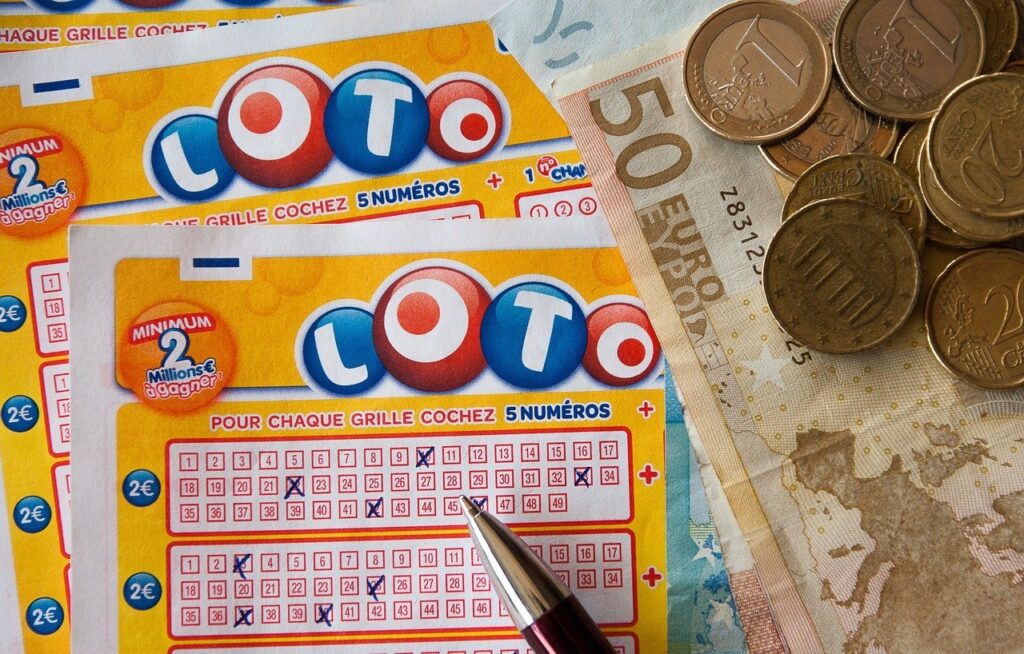
On Christmas Eve, even the most avid skeptic wants to believe in something magical and grandiose. And what could be more magical than becoming a millionaire? The Spanish lottery El Gordo gives hope to millions of people that they are destined to become the chosen one of fate.
This National Lottery of Spain was created by instruction of November 25, 1811. This initiative has been conceived as « a means of increasing income of the public treasury without compromising the taxpayers», the first raffle took place in Cadiz on March 4, 1812. The Christmas lottery for 2021 is on sale from July 8, 2021, so you can buy it until 22:00h on December 21, 2021
Christmas Eve & New Year’s Eve Dinner

In Spain, both family and friendly ties are really strong, and Christmas Eve and New Year’s Eve dinner is a great example of that. As a rule, the whole family comes together sitting around a generous Christmas table. The menu, depending on the region, can be very diverse, but the three main traditional dishes of Spain should be present on the festive Christmas table in any event: jamon – dried pork ham, various seafood and the invariable Spanish dessert turron – whole nuts in chocolate or caramel.
Often, dinner starts with a traditional Spanish dish – Carn d’Olla. This is a soup with large shell-shaped pasta, cooked on the basis of a strong meat broth.
On December 25, baked turkey, chicken, lamb or suckling pig and sometimes sea bream are served warm at the table.
Each region of Spain has its own traditional Christmas treats:
- Escudella is served at Christmas in Catalonia, this is a hearty soup based on vegetables and several types of meat.
- Fish soup with the addition of special hard bread, which makes it taste unusual, is cooked in San Sebastian.
- The traditional cuisine of Rioja offers artichokes with almonds, stewed with vegetables.
- Crab cream soup with brandy or white wine is put on the Christmas table in Asturias. Usually it is served with shrimp, cream and rusks.
- Family members in Castile are pampered with stewed partridges with onions and spices, where the bird should be wild.
- The traditional Christmas dish in Leon is a capon (a fattened rooster in a special way) stuffed with pate, dried apricots and pine nuts.
It is not without traditional Christmas desserts. In addition to turron, polvorons are served for dessert which are a type of shortbread with almond paste, and mantecado – this is baking in the form of balls with the addition of pecans, as well as marzipans and wine rings – crumbly anise cookies with a strong pleasant aroma, almonds in caramel sugar and many other goodies.All this splendor is usually accompanied by a noble drink – cava, the Spanish sister of the famous champagne. But there is also a place on the celebratory table for aged wines from popular regions of Spain – both white and red ones.
Twelve Grapes on New Year’s Eve

Meeting the New Year by hastily swallowing 12 grapes is a national Spanish fun on New Year’s Eve.
Beautiful fairy tale says that eating one grape for each stroke of the clock at midnight on January 1 will bring good fortune in the New Year.
Someone will say that the tradition was once invented by winemakers to get rid of the surplus crop. But we know that it works, which means the cherished grapes should be on the table.
Three Kings Cavalcade

A dignified end to the Christmas and New Year holidays is the Parade of the Three Wise Men (don’t miss on 6. January, 2022). A colorful carnival procession goes through the streets of the city in a spray of sweets pleasing to the eyes of not only children, but also adults. The Three Magic Kings are the main gift givers for Spanish children and they are the ones who are eagerly awaited by all kids a whole year, just in case, trying to behave diligently.
After visiting this fest, families often rush home to treat themselves to a special Spanish dessert – Roscón de Reyes. The one who finds the figurine of the magic king will be lucky all year.