TL;DR: Dmitry Kesadov explores the artichoke season in Vega Baja – why this edible flower has become a gastronomic symbol of the region, how to choose and cook it, and what wine to serve with it.
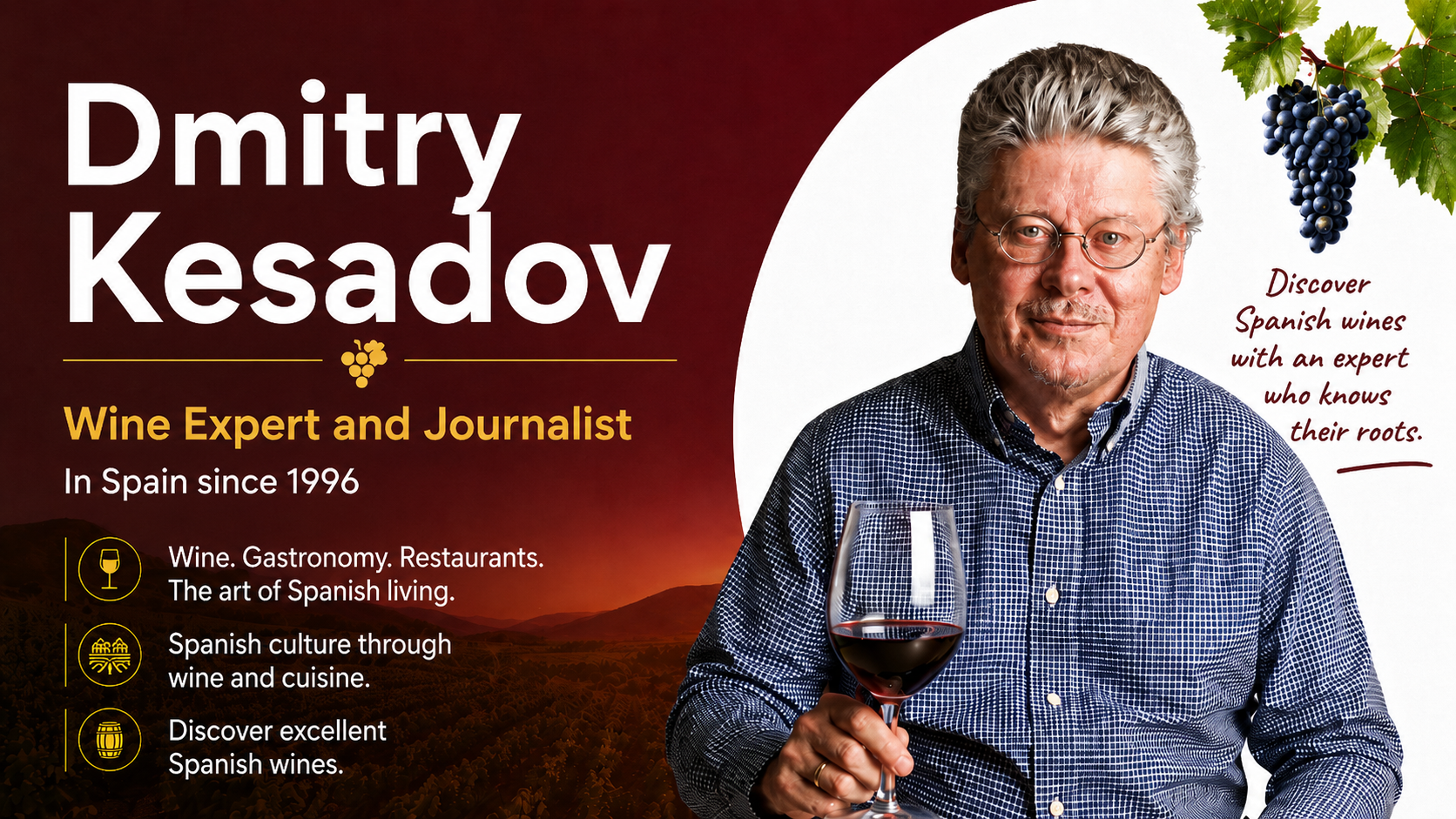
About the author: Dmitry Kesadov is a wine expert and journalist, a graduate of the Enotria wine school. He has lived in Spain since 1996 and writes about food, wine and restaurants as part of Spanish culture.
The artichoke as a symbol of Vega Baja
Hello, this is Dmitry Kesadov, wine expert and journalist, with another note from our food-and-wine route through Spain.
Today’s story is about the artichoke season in Vega Baja – a region where this product is much more than a seasonal ingredient. Here, the artichoke is treated almost like a local emblem: a flower in both the literal and cultural sense.
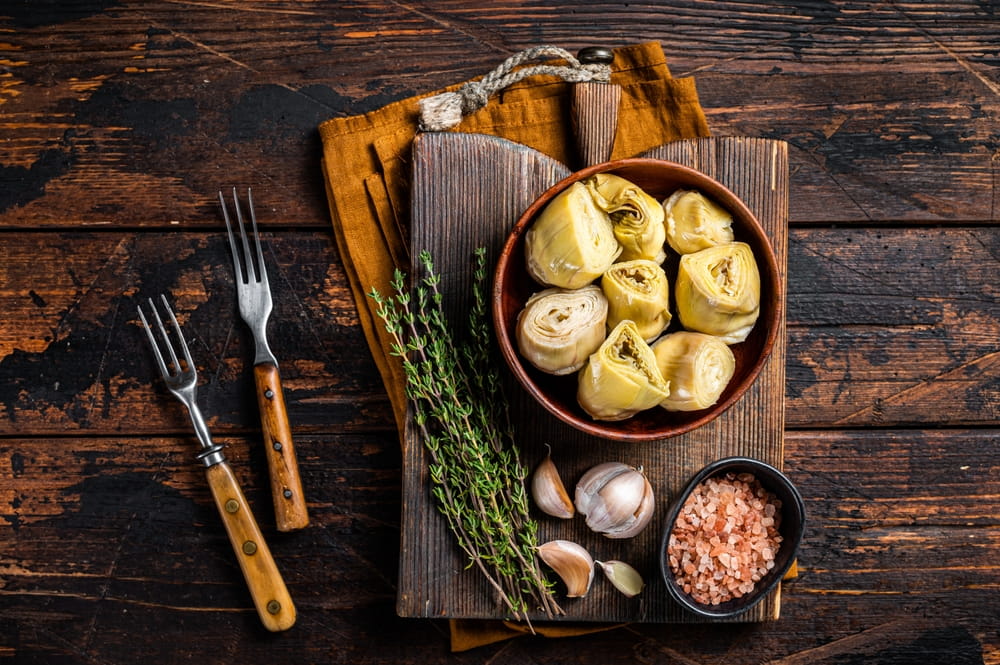
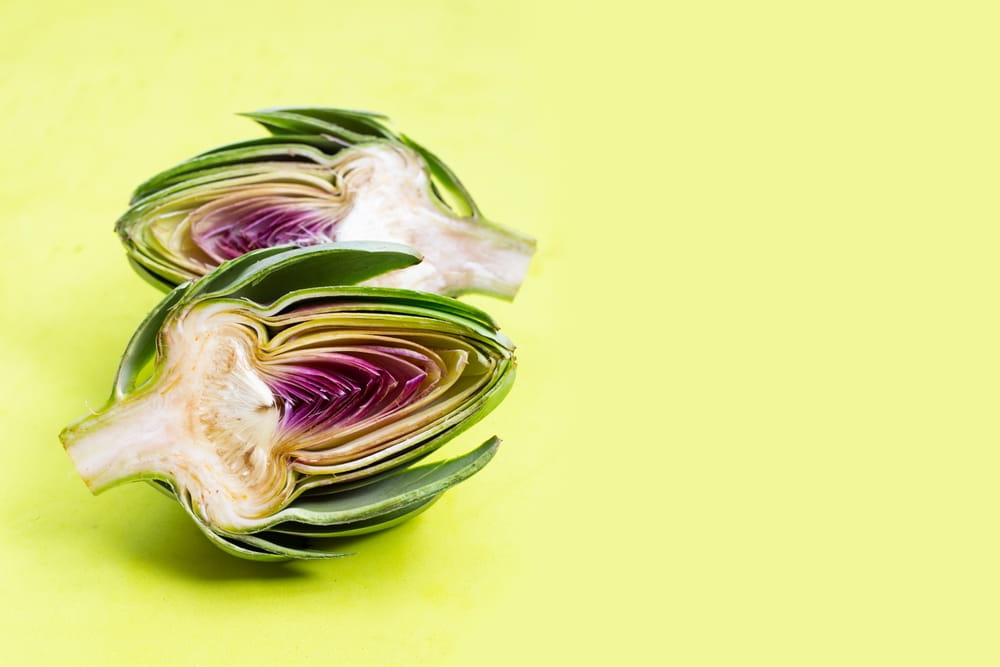
Literally, because an artichoke is not a fruit or even a vegetable in the usual sense, but an edible flower bud from the thistle family. Culturally, because Vega Baja proudly sees itself as one of the great artichoke areas of Spain.
Cities, stories and local pride
Some cities are lucky: they find a writer, artist or storyteller who gives them the right words and brings them to the world’s attention. Troy had Homer. Granada had Washington Irving, whose Tales of the Alhambra, published in 1832, helped turn Andalusia and the Alhambra into destinations for generations of travellers. Madrid and Pamplona have Hemingway. Seville has Beaumarchais, Rossini, Bizet and the long theatrical life of Figaro, Carmen and Rosina.
What is interesting is that a city’s fame is not always created by locals. Sometimes it is shaped by visitors, outsiders and people who simply knew how to look at a place and tell its story well. The same still happens today: films, novels, travel essays and food writing continue to change how people discover Barcelona, Paris, Madrid or a small town by the Mediterranean.
I mention this not to compare these modest notes with great literature, but to point out something important: small Spanish towns also deserve their storytellers. A place does not need to be a capital city to have character, memory and ambition.
This is especially clear in Spain. Here, every province, town and even street wants to preserve its own identity. Local pride is not a decorative detail – it is part of everyday life. A town may be small, but it still has its own fiesta, its own dish, its own way of doing things and, very often, its own claim to being “the capital” of something.
So why should Almoradí, a modest town in the Vega Baja, not call itself the Spanish capital of artichokes? It sounds bold – but it works. The region has taken a product from the fields and turned it into a public celebration, a festival, a restaurant theme and a source of local pride.
A few centuries ago, travelling through the Mediterranean, Goethe – a northern European, a poet and an enthusiastic amateur botanist – noted with surprise that southerners ate thistles. In other words, weeds.
Today, no one speaks about artichokes that way.
How to choose and cook artichokes
Imagine a sunny spring morning on the Costa Blanca. The landscape is waking up, even the cacti are blooming, but the artichoke season is already approaching its end. This is the moment to hurry to the market.
Pick up a young artichoke and squeeze it lightly in your hand. A fresh one should feel firm and heavy for its size. The leaves should be tight, the color lively, and when pressed, the bud may make a faint squeaking sound. If it looks fresh, feels dense and seems full of life – buy it and cook it the same day.
One classic way to prepare artichokes comes from French culinary tradition. The version associated with Paul Bocuse, described in the Larousse gastronomic tradition, is quite rich and generous.
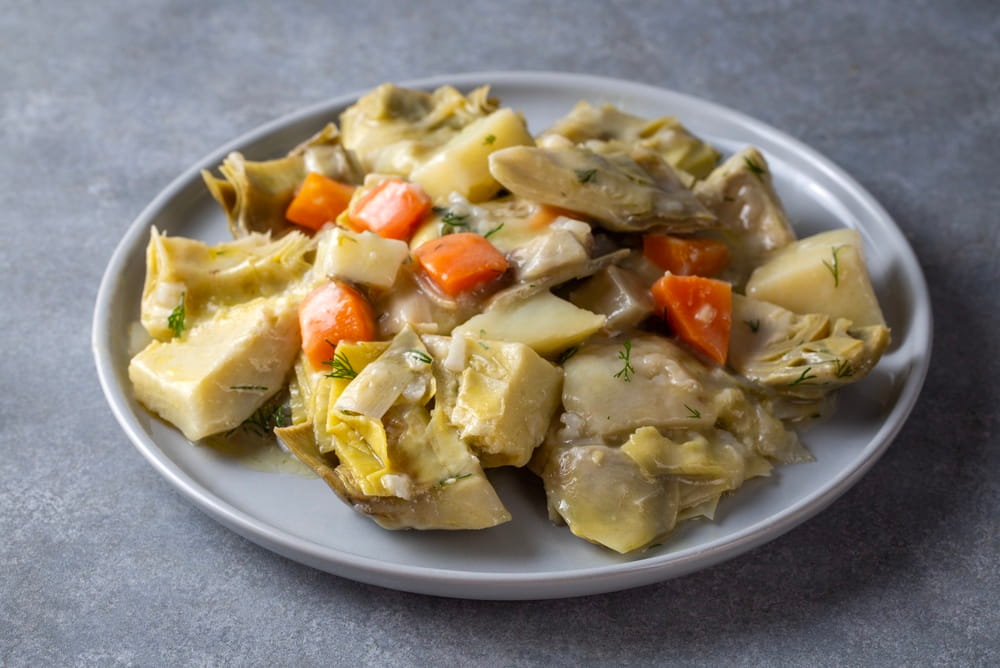
First, clean the artichokes. It is not difficult, but it requires confidence: remove the tough outer leaves without pity and keep the trimmed artichokes in lemon water so they do not darken. Then cut each artichoke into four lengthwise pieces. In an earthenware dish, heat equal parts butter and vegetable oil, fry a chopped onion, add the artichokes, season with salt and pepper, and cook until lightly golden. Add a spoonful of flour and a glass of stock. When the artichokes are tender, take them out and reduce the remaining liquid with parsley, lemon and a generous piece of butter. Pour the sauce over the artichokes and serve.
Locally, and from my own kitchen experience, I would suggest a simpler Mediterranean approach. Clean the artichokes, slice them lengthwise into thin but not transparent pieces, and place them on a grill or a cast-iron pan. Fry them quickly on both sides with a little good olive oil. Then add salt and more olive oil to taste. Lemon and pepper are optional.
The difference is revealing. The French version naturally includes butter and a more structured sauce. Here, olive oil takes the lead, and the goal is often just to let the artichoke catch the heat, soften slightly and keep its fresh character.
Artichokes and wine pairing
In Spanish gastronomy, the word maridaje refers to pairing food and drink. Artichokes pair beautifully with thinly sliced jamón, added on top just before serving. They can also work with seared foie gras, where the richness of the liver meets the slightly bitter, green taste of the artichoke.
Wine pairing is more controversial. Many serious guides say that artichokes are difficult with wine because they can leave a metallic taste in the mouth. Personally, I have never found artichokes to be such a problem. At home, we often choose red wine with artichokes, but white wine can work very well too. A dry sherry is also a natural and elegant option.
Why Vega Baja calls itself the artichoke capital
So why does Vega Baja claim such a strong connection with artichokes? The official picture is not so simple. The only Spanish artichoke with a D.O. – Denominación de Origen – comes from Benicarló, in the province of Castellón. Artichokes with IGP status – Indicación Geográfica Protegida – are grown in Tudela, Navarra.
That may feel unfair to people in Vega Baja, where artichokes were famous long before many official labels existed. But arguing with institutions is rarely the most productive path. Local growers chose a different strategy.
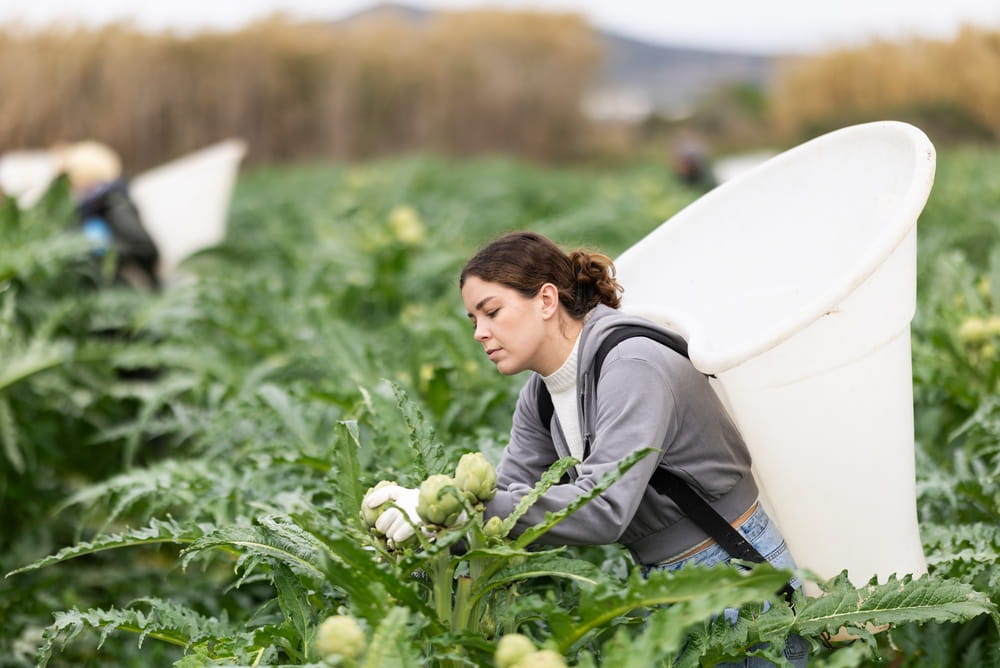
A little more than a decade ago, farmers in Vega Baja took the future of their product into their own hands. They created an association and began building a whole calendar around the artichoke: seminars, gastronomic dinners with chefs, public events, popular celebrations, music and torrá – a local feast where young artichokes are grilled over an open fire and eaten simply, with pleasure.
The strategy worked. In 2026, Almoradí hosted the 11th National Artichoke Congress, the 11º Congreso Nacional de la Alcachofa en Almoradí. The town square was packed, and restaurant tables had been booked long before the festive week began.
What matters most is that, in this part of Spain, the artichoke is not only a chef’s ingredient. It is a people’s product – loved by restaurant kitchens and family kitchens alike.
There is another important local detail. In many places, artichokes are usually cooked. In Vega Baja, people also enjoy them raw or almost raw – in salads, carpaccios and other fresh preparations. Susi Díaz, the chef of La Finca restaurant near Elche, has spoken about this in interviews.
La Finca, Susi Díaz and local cuisine
The story of Susi Díaz and La Finca is, in many ways, typical of this part of Spain.
Here, successful projects are rarely created overnight. More often, they are built slowly – by local people, with patience, family memory and years of practical experience. Sometimes a business or restaurant takes more than one generation to reach maturity. In Spain, family continuity is not just a romantic idea; it is a very real part of how many local projects grow.
Susi Díaz is a self-taught chef. We first visited her restaurant about thirty years ago and returned many times afterwards. At that time, a Michelin star did not even seem part of the conversation. The restaurant was different, and Susi was different too. The food was simpler and not always flawless, but even then La Finca stood out for its attitude to local culinary traditions, its interior, garden, wine list and, of course, the food itself.
The cuisine evolved. The restaurant changed. But artichokes were always present – at La Finca and in many other local restaurants.
Artichoke capitals of the world
When a Spaniard calls something “the best in Spain”, it is often said with the confidence that this also means “the best in the world”. With artichokes, several regions can make a serious claim.
One is Vega Baja, here in Spain. Another is Italy, where artichokes are also grown and celebrated widely. Brindisi and Cerda are known for their artichoke traditions and festivals, and Italian cuisine has long known how to treat this product with respect.
A third major artichoke area is in the United States, in California. There is a pleasing symmetry in that: Europe took tomatoes, potatoes and corn from the Americas – and later gave the artichoke a new life across the Atlantic.
What artichokes have to do with Marilyn Monroe
Artists and poets have not ignored the artichoke completely. Pablo Neruda even wrote an Ode to the Artichoke. But the artichoke’s greatest marketing story is probably the one connected with Marilyn Monroe.
In California, there is a well-known story that a young, still unknown woman was chosen as “Artichoke Queen” in Castroville in the late 1940s – and that the woman later became Marilyn Monroe. The story is attractive, memorable and easy to repeat, which explains why it has lived for so long.
But the official festival timeline makes the legend more complicated. Castroville’s artichoke festival is real, yet its first festival queen was not Marilyn Monroe. The more accurate story is this: in February 1948, a group of farmers near Castroville met Marilyn Monroe, who at that time was not yet a world-famous star. They spent the day showing her around the area, took photographs with her and jokingly called her the Artichoke Queen.
So the story is not entirely invented. There were photos, there was California, there was Marilyn, and there were artichoke farmers. But the title was informal – more of a playful local gesture than an official crown won in a festival competition.
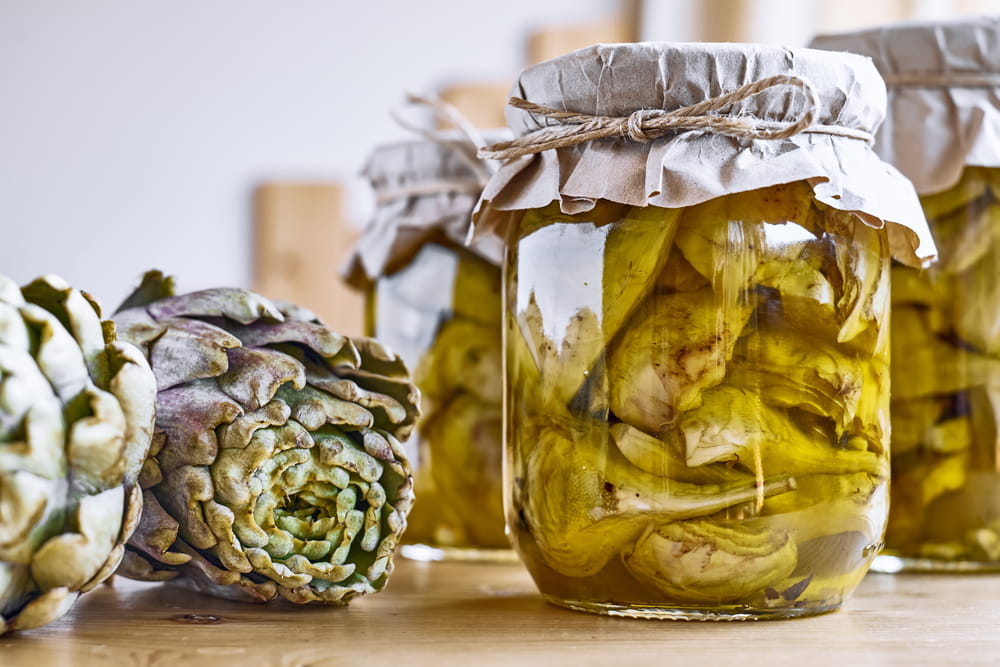
One could talk about artichokes endlessly. There is the Greek myth of Cynara, the girl Zeus loved and then turned into an artichoke. There are practical debates about which artichokes are best: boiled, raw, grilled, preserved or marinated. Some of the best preserved artichokes we have tried come from Navarrico. And there is the larger mystery of how this awkward, rustic-looking thistle became a glamorous ingredient of high cuisine.
But enough for today. We will return to Spanish food and wine again soon.
Vega Baja and the Costa Blanca with Alegria
Vega Baja is not only about fields, markets and seasonal food. It is also one of the most comfortable areas of the southern Costa Blanca for those who want to combine the sea, local towns, restaurants and a quieter Mediterranean lifestyle. Nearby Torrevieja, Guardamar, Orihuela Costa and Elche make the region practical for both holidays and year-round living.
If this part of the Costa Blanca feels close to what you are looking for, you can explore the Alegria property catalogue in Spain or request the free property search service in Spain.
For more on Spanish food culture, you may also like Dmitry’s articles on Monastrell wines from Alicante and Murcia and where to have a drink and a quick bite in Spain.
Useful links
- Alcachofa Vega Baja Association: official website about the culture, recipes, events and promotion of the Vega Baja artichoke – alcachofavegabaja.com
- La Finca: restaurant connected with local gastronomy and the cuisine of Susi Díaz – open on map
- Navarrico preserves: a producer known for preserved and marinated artichokes – open on map
- Recommended preserved artichokes: open link
FAQ
Is an artichoke a vegetable or a flower?
An artichoke is an edible flower bud from the thistle family. In cooking, people usually eat the young, unopened bud.
When is artichoke season in Spain?
Artichokes are mainly associated with the cooler months and spring. In this article, Dmitry Kesadov writes about the spring moment when the season is already coming to an end and it is worth hurrying to the market.
Why is Vega Baja known for artichokes?
In Vega Baja, the artichoke is part of local food culture. It is grown in the fields, cooked at home, served in restaurants and celebrated through festivals, gastronomic dinners and popular events.
What is the best way to cook young artichokes?
The author suggests cleaning them, slicing them lengthwise into thin pieces and quickly frying them on a grill or cast-iron pan with a little good olive oil.
What wine goes well with artichokes?
Although some guides describe artichokes as difficult to pair with wine, the author enjoys them with red wine, white wine and dry sherry.
This information is not legal or tax advice. It is not a public offer.