TL;DR:
- What you are buying: a new-build property in Spain – an apartment, townhouse, villa or home in a modern residential complex.
- Main steps: define your goal and budget, choose the region, obtain an NIE, select a reliable developer, run legal checks, reserve the property, sign the private purchase contract, follow the payment schedule, inspect the home and complete the purchase at the notary.
- Purchase costs: additional costs for a new-build property in Spain are typically around 12–14% of the purchase price.
- Main risks: choosing an unreliable developer, incomplete documentation, construction delays, poor payment planning and insufficient proof of source of funds.
- Browse property for sale in Spain or request transaction support.
Introduction
Spain has long been one of Europe’s most attractive property markets. A mild climate, strong infrastructure, a high level of safety, quality healthcare and the Mediterranean lifestyle make the country appealing for living, holidays and investment.
New-build homes are especially popular among international buyers. Modern residential complexes offer comfort, energy-efficient technologies, practical layouts and shared amenities designed for everyday life. Buying off-plan or during construction can also make it possible to enter a project at an earlier price stage and benefit from potential capital growth by completion.
At the same time, buying a new-build property in Spain is different from buying a resale home. The process includes developer checks, staged payments, project documentation, construction monitoring and final handover procedures.
Below is a step-by-step guide to buying a new-build property in Spain in 2026 – from the first search to receiving the keys.
Planning to buy a new-build property in Spain? Explore current homes in the Alegria Real Estate catalogue.
Why more buyers are choosing new-build homes
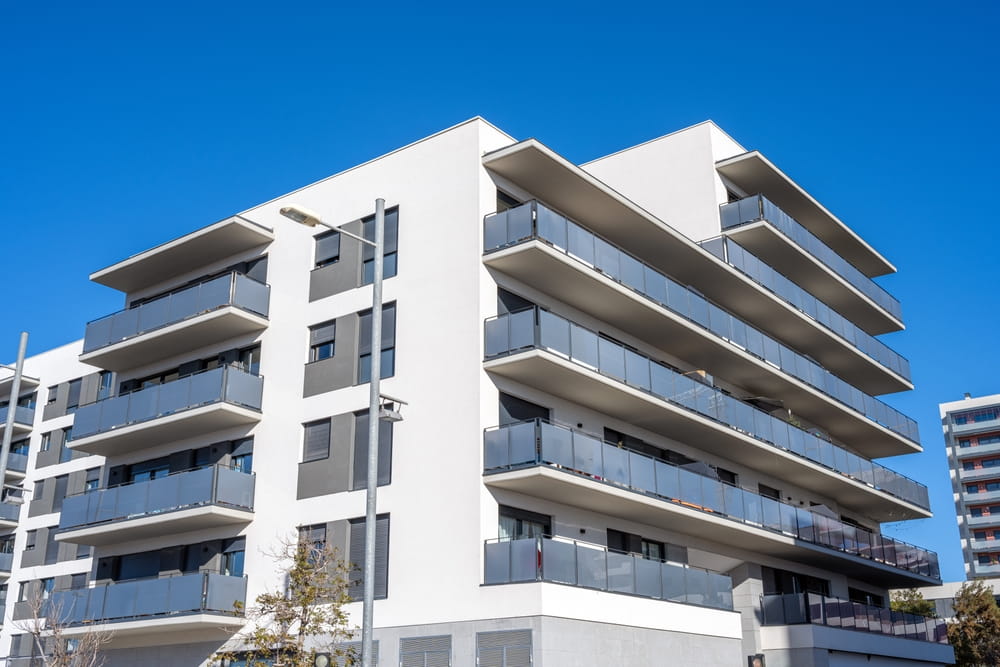
The Spanish new-build market has changed significantly in recent years. New developments are no longer limited to standard apartment blocks. Many projects are now designed as complete residential environments with comfort, services and lifestyle in mind.
Modern complexes may include swimming pools, gyms, landscaped gardens, lounge areas, children’s playgrounds, coworking spaces, bicycle storage and areas for sports equipment. Many developments are also built to meet updated environmental standards and achieve a high energy-efficiency rating.
Another advantage is the absence of hidden wear-and-tear issues that can appear in older resale properties. A buyer receives a brand-new home with modern systems, updated building standards and developer warranties.
For investors, an additional advantage is the possibility of buying at an early construction stage and potentially benefiting from price growth by the time the project is completed.
Where the buying process begins
A property purchase should not start with choosing an apartment. It should start with defining your goal.
Some buyers want a holiday home for family use. Others are planning a full relocation to Spain. Some consider real estate mainly as an investment asset.
This goal will influence almost everything: the region, property type, size, neighbourhood, infrastructure and budget.
For example, if the property is intended for year-round living, access to schools, healthcare, shops and transport becomes especially important. If the purchase is investment-driven, liquidity, rental demand and price-growth potential come first.
Once the goal is clear, the next step is to assess the purchase budget realistically.
The property price is not the only cost. When buying a new-build home in Spain, the buyer also pays taxes and transaction-related expenses.
As a general rule, additional costs are usually around 12–14% of the purchase price.
Choosing a region: where to buy a new-build property in Spain
Spain is diverse, and each region has its own market profile.
Costa Blanca remains one of the most popular areas among international buyers. It offers relatively accessible prices, developed infrastructure and more than 300 sunny days a year. Torrevieja, Orihuela Costa, Guardamar del Segura, Finestrat, Benidorm and Alicante are among the most in-demand locations.
Costa del Sol is traditionally seen as a more premium market. Marbella, Estepona and Benalmádena attract luxury-property buyers and high-end investors.
Valencia is a strong option for buyers who want a comfortable urban lifestyle with easy access to the sea.
Asturias is gaining attention among buyers who prefer the Atlantic coast, green landscapes and a cooler climate to the classic Mediterranean setting.
Each location has its advantages, so the choice of region should not be based only on online photos. A market consultation and a well-planned viewing trip can save time, reduce risk and help narrow down the search.
Getting an NIE
One of the first practical steps is getting an NIE in Spain – the foreigner identification number.
This number is required for many legal and administrative procedures in Spain. Without it, you cannot complete a property purchase, open a bank account, connect utilities or pay taxes.
Many buyers apply for an NIE in advance to avoid delays later in the transaction.
Important: an NIE is not a residence permit and does not automatically give the buyer resident status in Spain.
Choosing the developer: the key stage
Attractive renders and polished brochures do not always reflect the real quality of a project. That is why experienced buyers pay close attention to the developer behind the development.
Before signing any documents, it is important to check:
- how many projects the company has already delivered;
- whether there have been construction delays;
- how completed projects look several years after delivery;
- whether there are legal disputes involving the developer;
- how stable the developer’s financial position appears to be.
A reliable developer provides a complete set of documents and is ready to answer buyer questions transparently.
A professional real estate agency helps run these checks and reduces the risk of unpleasant surprises.
Need a developer and project check? Alegria specialists support property purchases in Spain at every stage of the process.
Legal checks before buying
Before committing serious funds, it is recommended to review the legal status of the property.
The buyer should confirm that:
- the land belongs to the developer;
- the building licence has been issued;
- the project complies with planning regulations;
- there are no restrictions that could affect construction or the future occupation licence.
At this stage, buyers usually involve an independent lawyer who represents only their interests.
This review does not normally take long, but it can prevent serious legal and financial risks.
Reserving the property
Once the property has been selected, the buyer signs a reservation agreement.
The purpose of this document is to temporarily remove the property from the market and secure it for the buyer.
Depending on the project, the reservation payment may range from a few thousand euros to €10,000 or more.
At this stage, it is important to check the refund conditions, the reservation period and the deadline for signing the main contract.
After the reservation is signed, the documents are prepared for the next stage of the transaction.
Signing the private purchase contract
After the legal review is complete, the parties sign the private purchase contract.
This is one of the key documents in the entire process.
It sets out:
- the purchase price;
- the payment schedule;
- construction deadlines;
- technical specifications of the property;
- responsibilities of both parties;
- handover conditions.
From the moment the contract is signed, the buyer becomes a formal participant in the project and follows the agreed payment schedule.
How payments work when buying a new-build property
One of the main advantages of buying a new-build property is the possibility of paying in stages.
The typical structure is as follows: after the reservation, the buyer makes an initial payment. Then the main private purchase contract is signed and the next instalment is paid. During construction, the buyer makes several staged payments. The remaining balance is paid before signing the notarial deed and receiving the keys.
This structure allows the buyer to spread the financial commitment over the construction period, which often lasts from 18 months to three years.
Payment planning and proof of funds
For international buyers, payment planning is an important part of the purchase process.
Spanish banks, developers and notaries pay close attention to the source of funds. Buyers are usually asked to provide documents confirming where the money comes from, especially when payments are made from accounts outside Spain.
Depending on the buyer’s situation, this may include:
- bank statements;
- tax returns;
- salary or business-income documents;
- proof of sale of another property or asset;
- loan or mortgage approval documents;
- official translations of documents, if required.
It is better to prepare these documents before the final stage of the transaction. This helps avoid delays with bank compliance checks, payment processing and notarial signing.
If the buyer plans to use a mortgage, the mortgage file should also be prepared early so that bank approval is ready before the final payment is due.

Bank guarantees: buyer protection
Some buyers hesitate to purchase a home under construction because they worry about project delays or construction being paused.
Spanish law provides important protection mechanisms for buyers. Payments made during the construction phase must be protected by bank guarantees or insurance instruments. This means that, under certain circumstances, the buyer may have the right to recover the funds paid.
This is one of the reasons why buying a new-build property in Spain is considered a structured and relatively secure form of real estate investment in Europe.
What happens during construction
After the contract is signed, the buyer enters the construction waiting period.
Modern developers usually keep buyers informed about construction progress. Many companies provide photo reports, drone videos and access to online client portals.
Some projects also allow future owners to visit the construction site at specific stages.
This helps buyers stay informed and follow the development of the project more closely.
Mortgages for foreign buyers
Contrary to a common misconception, foreign buyers can apply for a mortgage in Spain.
Spanish banks continue to finance buyers from different countries, although the conditions depend on citizenship, income level, employment status, debt profile and credit history.
It is advisable to start preparing the mortgage file in advance, as the bank review may take several weeks or even months.
A professional mortgage broker can simplify the process and help compare financing conditions offered by different banks.
Planning to buy with a mortgage? Alegria helps prepare the documents and arrange financing with a Spanish bank.
Property inspection before receiving the keys
When construction is complete, one of the most anticipated stages begins: property handover.
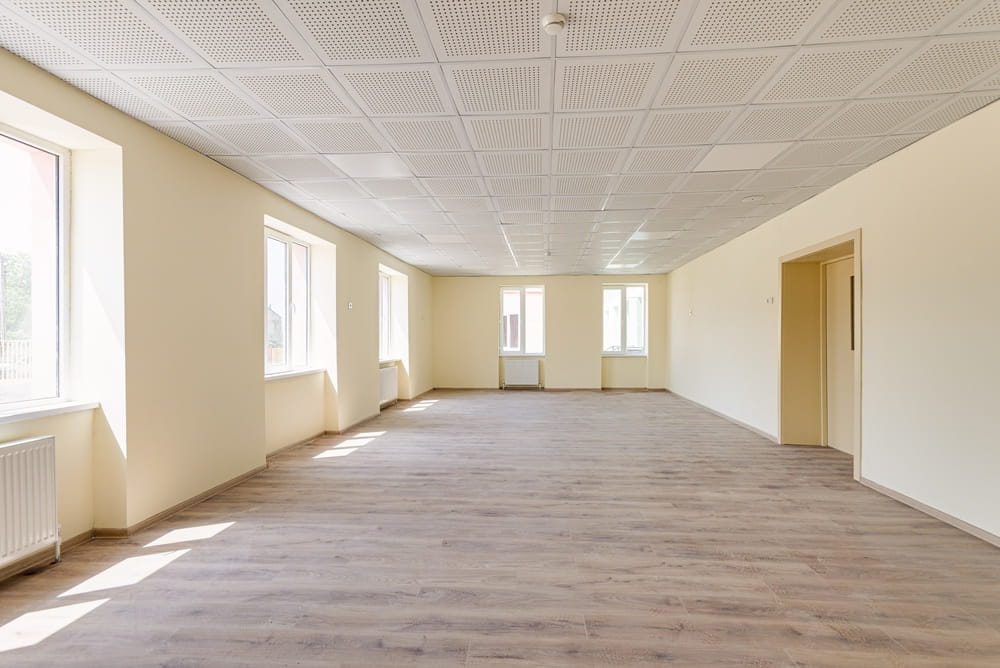
Before signing the final documents, the buyer has the opportunity to inspect the home and make sure it matches the contract.
During the inspection, the following should be checked:
- quality of finishes;
- technical systems;
- windows and doors;
- plumbing;
- electrical installations;
- layout and agreed specifications.
If defects are found, a snagging list is prepared, and the developer must correct the issues.
Signing the purchase at the notary
The final stage of the purchase takes place at the notary’s office.
This is where the public deed of sale is signed and ownership is transferred to the buyer.
At this moment, the final payment is made to the developer and the keys are handed over.
For most buyers, this is the highlight of the process – one that may have started months or even years before construction was completed.
What warranties new-build buyers receive
Spanish legislation provides a warranty system for new-build properties:
- buyers receive protection against different types of construction defects;
- there are warranties covering finishes, technical systems and structural elements;
- the most important protection is the ten-year warranty for serious structural defects affecting the building’s load-bearing elements.
This system provides a strong level of protection for new-build property owners.
What changed in the new-build market in 2026
The Spanish property market continues to develop actively.
Among the main trends in 2026 are stronger attention to energy efficiency in Spanish housing, sustainable construction and environmentally focused technologies.
More projects now obtain energy certificates that help reduce electricity and air-conditioning costs.
The transaction process is also becoming more digital. Many stages can now be handled remotely, including property reservation, part of the documentation process and mortgage pre-approval.
At the same time, popular coastal regions continue to have limited supply of new projects, which supports demand and contributes to price growth.
Why working with a professional agency matters
Buying property in another country is always more than choosing a home.
The process involves legal details, financing, taxation, payments, developer communication and post-sale administration.
A professional agency helps buyers avoid mistakes, organise viewings, negotiate terms, review documents and coordinate the transaction from start to finish.
This is especially important for international buyers who may not be familiar with the Spanish legal system, local market practices and administrative procedures.
Alegria Real Estate: 15 years on the Spanish property market
In 2026, Alegria Real Estate celebrates its 15th anniversary.
Over the years, the company has grown from a local real estate agency into one of the recognised brands in the Spanish property market for international buyers.
Today, Alegria brings together real estate specialists, lawyers, mortgage consultants and after-sales support experts.
The company assists clients at every stage of the purchase: from property selection and viewings to documentation, mortgage support, bank account opening and ownership registration.
Over 15 years, Alegria specialists have supported thousands of successful transactions, helping clients from different countries buy property in Spain safely and move closer to their plans for life by the Mediterranean.
Deep market knowledge, transparent communication, a personalised approach and a high level of service make Alegria Real Estate a reliable partner for those who want to buy property in Spain with confidence and without unnecessary complications.
You can explore the latest new-build offers in our property catalogue.
FAQ
Where should I start when buying a new-build property in Spain?
Start by defining your goal, budget and preferred region. Then move on to property selection, obtaining an NIE and checking the legal status of the project.
What additional costs apply when buying a new-build property?
As a general rule, additional costs for a new-build purchase are around 12–14% of the property price.
Can a foreign buyer get a mortgage in Spain?
Yes. Spanish banks continue to finance foreign buyers, although the conditions depend on citizenship, income, employment status, debt profile and financial history.
Why is a legal check important when buying a new-build home?
It helps confirm that the developer owns the land, the building licence has been issued, the project complies with planning rules and there are no restrictions that could affect construction or handover.
What warranties does a new-build buyer receive?
New-build buyers receive protection against construction defects, including warranties for finishes, technical systems and structural elements. Serious structural defects affecting load-bearing elements are covered by a ten-year warranty.
This information is not legal or tax advice. It is not a public offer.