- What this article is about: Dmitry Kesadov’s personal look at Monastrell – one of the defining red grapes of Alicante and Murcia.
- What you will find inside: the origins of the grape, the old powerful style, Fondillón, the new wave of Monastrell, wineries and examples of wines to look for.
- Who it is for: readers living in Spain, planning a move, or simply exploring the country through its food and wine culture.
- Practical takeaway: wines from Alicante and Murcia often offer excellent value for money, especially among entry-level and mid-range Monastrell wines.
- About the author: Dmitry Kesadov is a wine expert and journalist, a graduate of the Enotria wine school, living in Spain since 1996. His main focus is food, wine and restaurants as part of Spanish culture.
The Past and Future of Monastrell
From wine notes to local addresses
Hello, this is Dmitry Kesadov, wine expert and journalist, with our gastro-wine notes.
Those who have come across my texts before know that we often take a poetic route through the world of food and wine: a little imagination, a little altitude, and plenty of Spanish flavors along the way.
Here, however, we will stay closer to the ground – closer to the roots, and hopefully more useful to the reader.
In other words, we will not only talk about food, wine and events. We will also share specific places, names and practical tips, so that it becomes easier and more interesting for you to explore local cuisine and the pleasures of drinking Spanish wine.
This is the route that seems right to us: in future notes we will walk through supermarkets and discuss what is worth drinking and which bottles are better left untouched; we will visit bodegas, stop by markets, look into small wine shops and, eventually, have lunch in real restaurants – not in places that only look like restaurants from the outside.
Because in Spain, the risk of missing something truly important is everywhere. The most authentic and worthwhile places do not usually shout about themselves, do not rely heavily on advertising and often live by word of mouth rather than aggressive marketing.
I often see glossy ads for new restaurants where the opening is announced in large letters, while a small note at the bottom says: “chef wanted”. I do not know how they manage to cook without a chef, but I do know from personal experience that it is better to avoid such places if you want to avoid disappointment.
That is not our path. Our path is the path of the aficionado – someone genuinely interested, open to new knowledge and new experiences for the sake of disfrute, the enjoyment of wine, food and life itself.
Where to begin in Spain: with wine
So, where should we begin?
In Spain, any serious conversation about gastronomy naturally begins with wine. It is difficult to imagine a proper lunch or dinner here without it – even the simplest meal can become more complete with the right bottle. Later in these notes we will certainly get to brandy from Jerez and many other drinks, but for now we begin with wine.
Monastrell, Mourvedre, Mataro: one grape, many names
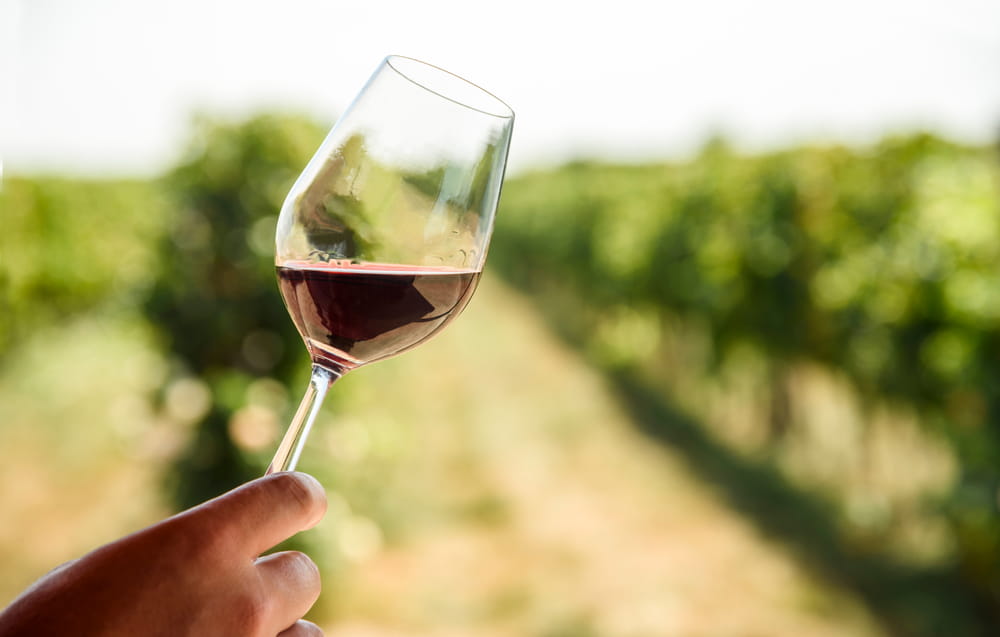
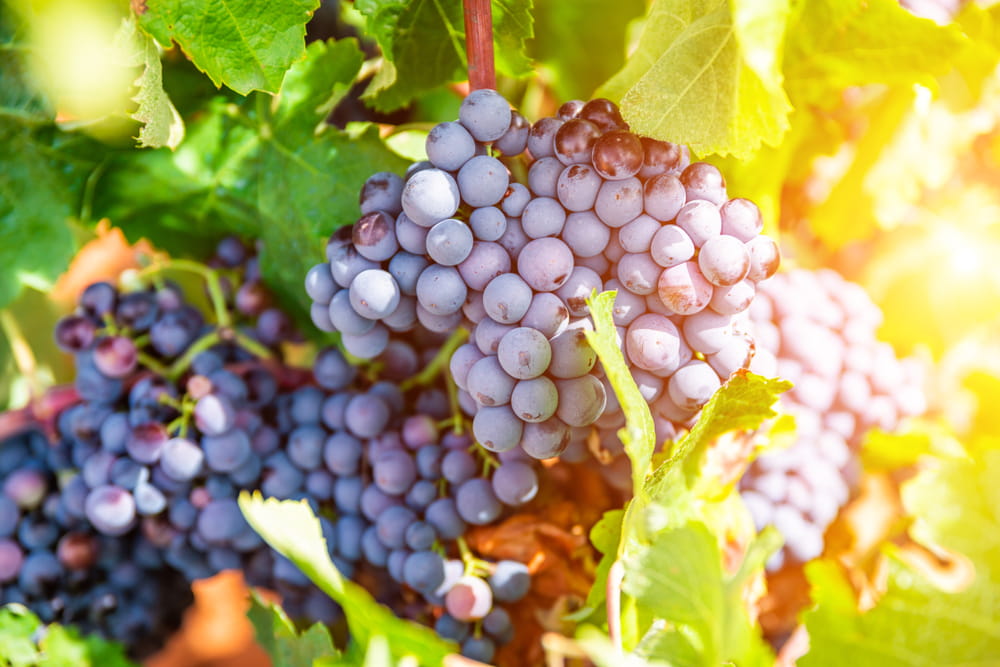
The true king of our area is Monastrell, a red grape variety. In France, the same grape is known as Mourvedre; in Australia, it is often called Mataro. Different names hide the same variety, most likely brought to Spain by the Phoenicians more than three thousand years ago.
There are hints pointing in this direction. Mataro is still the name of a port near Barcelona, while Mourvedre is linked to an old Spanish port in Valencia, now known as Sagunto.
The terroir of Alicante and Murcia
The variety was also brought to northern Spain, but already in Catalonia it became too cold for it. Natural migration – everyone looks for the place where they feel best, and grapes are no exception – eventually led Monastrell to our area, where it flourished. In Alicante and Murcia, the grape found exactly what it needed: no excess humidity, no constant rain and fewer of the diseases that come with it, as well as mild, warm nights and winters.
In short, Monastrell settled here very well. Today, almost eighty percent of the vineyards in D.O. Jumilla and neighboring D.O. areas – Denominacion de Origen – are planted with Monastrell.
A region, or in a narrower sense a terroir, is for a grape what a passport is for a person: it already tells you a great deal, even before you open the bottle and taste the wine.
The old style of Monastrell and Fondillon
Long-time wine lovers remember the old style of Monastrell: powerful, dense, full-bodied wines, as if you were tasting a slice of homemade blueberry pie. Monastrell also gave birth to the great wine of our area – Fondillon – but that deserves a separate and detailed story.
The past of Monastrell is magnificent. Ships loaded with barrels of Monastrell left the port of Alicante for Rome and other European capitals, while Fondillon was once the most famous and most expensive wine in the world. This is not an exaggeration and not a metaphor.
Where to find powerful Monastrell
Wineries where you can still buy such powerful wines – high in alcohol, full in body, with balsamic notes – do exist today. This old style was once called vino negro, or “black wine”, because of its strength and fullness.
Look for Monastrell from the bodegas Barahonda, Juan Gil, Xenysel, Volver and Luzon. Some of these wines can be found in supermarket chains such as Consum, Lidl and others.
This is, of course, a bold, somewhat rustic and straightforward style of wine.
The new wave of Monastrell
In recent years, however, many other Monastrell wines have appeared – more complex, more refined and subtler in style. The wineries mentioned above also work in this direction, blending Monastrell with Syrah – or Shiraz – and Cabernet Sauvignon.
After our local wine El Nido began regularly receiving more than 95 points from Robert Parker, and especially after Casa Castillo received the maximum 100 Parker points for its Monastrell from old vines, wines from our area attracted serious attention from true connoisseurs.
Among the best examples, I would name wines from Cerron, Arbuí Monastrell from Alejandro S.L., Chaveo from Bodega Monastrell, Monastrell from Casa Balaguer and the wines of Pepe Mendoza – Casa Agricola. These are wines worth seeking out.
To name all the worthy estates and write properly about each of them, even a hundred pages would not be enough. But there is no need to hurry. As I have already said, rushing is not the Spanish way. Here, things are done thoroughly, and wine is treated as a loyal friend and helper in the demanding art of enjoying life – something Spaniards, I believe, consider one of the main reasons for being born into this world.
Price and quality
The accessible price of Monastrell wines, combined with their quality, is also important. Let me finish with a short story.
Once, at a gastronomic dinner organized for colleagues by the Australian winery Torbreck, there was a great deal of talk – and even more drinking – around Australian Monastrell and Muscat wines. During a break, my wife and I began talking with one of the hosts of the evening, who turned out to be Dave Powell, the head of Torbreck.
To our surprise, the Australian showed an excellent knowledge of the wines of our area and admitted that they were direct competitors to Australian wines made from Monastrell and Muscat. The only difference was that The Pict, Torbreck’s Monastrell, which we tasted that evening, already cost around 200 dollars at the time, while most of its “classmates” from Murcia and Alicante that we discussed during the break were within the range of ten euros.
That was about twenty years ago. Prices for Monastrell wines have risen, but the general situation has not changed dramatically. Wines from our area remain among Spain’s strongest examples of value for money. Basic Monastrell wines from Casa Castillo, Tarima Hill, Mendoza and other producers cost a little more than 10 euros, yet they can offer far more pleasure than you would normally expect from wine at this price.
May we all have as many good Monastrell wines as possible – and not only Monastrell.
Where to buy?
- Qtalgourmet – Torrevieja – view on map
- VINESSENCE – Dehesa de Campoamor, Alicante – view on map
Which wineries to visit?
- Pepe Mendoza Casa Agricola – Lliber, Alicante – view on map
- Bodegas Barahonda – Yecla, Murcia – view on map
- Bodegas y Viñedos Volver – Alicante – view on map

This article was created by Dmitry Kesadov, wine expert and journalist, in collaboration with Alegria Real Estate.
FAQ
What is Monastrell?
Monastrell is a red grape variety. In other countries and wine traditions, the same grape is also known as Mourvedre or Mataro.
Why does Monastrell grow so well in Alicante and Murcia?
Alicante and Murcia offer conditions that suit the grape: little excess humidity, limited rainfall, fewer related vine diseases, and mild, warm nights and winters.
What was the old style of Monastrell like?
The old style was powerful, dense and full-bodied, often with high alcohol, strong structure and balsamic notes.
Which Monastrell wineries are mentioned in the article?
The article mentions Barahonda, Juan Gil, Xenysel, Volver, Luzon, Cerron, Alejandro S.L., Bodega Monastrell, Casa Balaguer, Pepe Mendoza, Casa Castillo and others.
Why is Monastrell from Alicante and Murcia interesting in terms of value?
Entry-level Monastrell wines from producers such as Casa Castillo, Tarima Hill, Mendoza and others often cost a little more than 10 euros, yet they can offer far more pleasure than expected at this price level.