Villas for sale in Catalonia
Search property
Quick search
Catalogue of Villa in Catalonia


Exclusive New-Build Villas in Tamariu, Where Architecture Meets Nature
Costa Brava, Spain
from € 2 580 000
Houses
ID GG_17675
Bedrooms
6
Rooms
5
Bathrooms


Exclusive Residence in Cabrils with Mediterranean Sea Views
Catalonia, Spain
€ 3 200 000
Houses
ID GG_178711
Bedrooms
12
Rooms
9
Bathrooms


Historic Masia in Alella, Barcelona — a unique heritage surrounded by nature
Catalonia, Spain
€ 3 480 000
Houses
ID GG_17865
Bedrooms
6
Rooms
7
Bathrooms
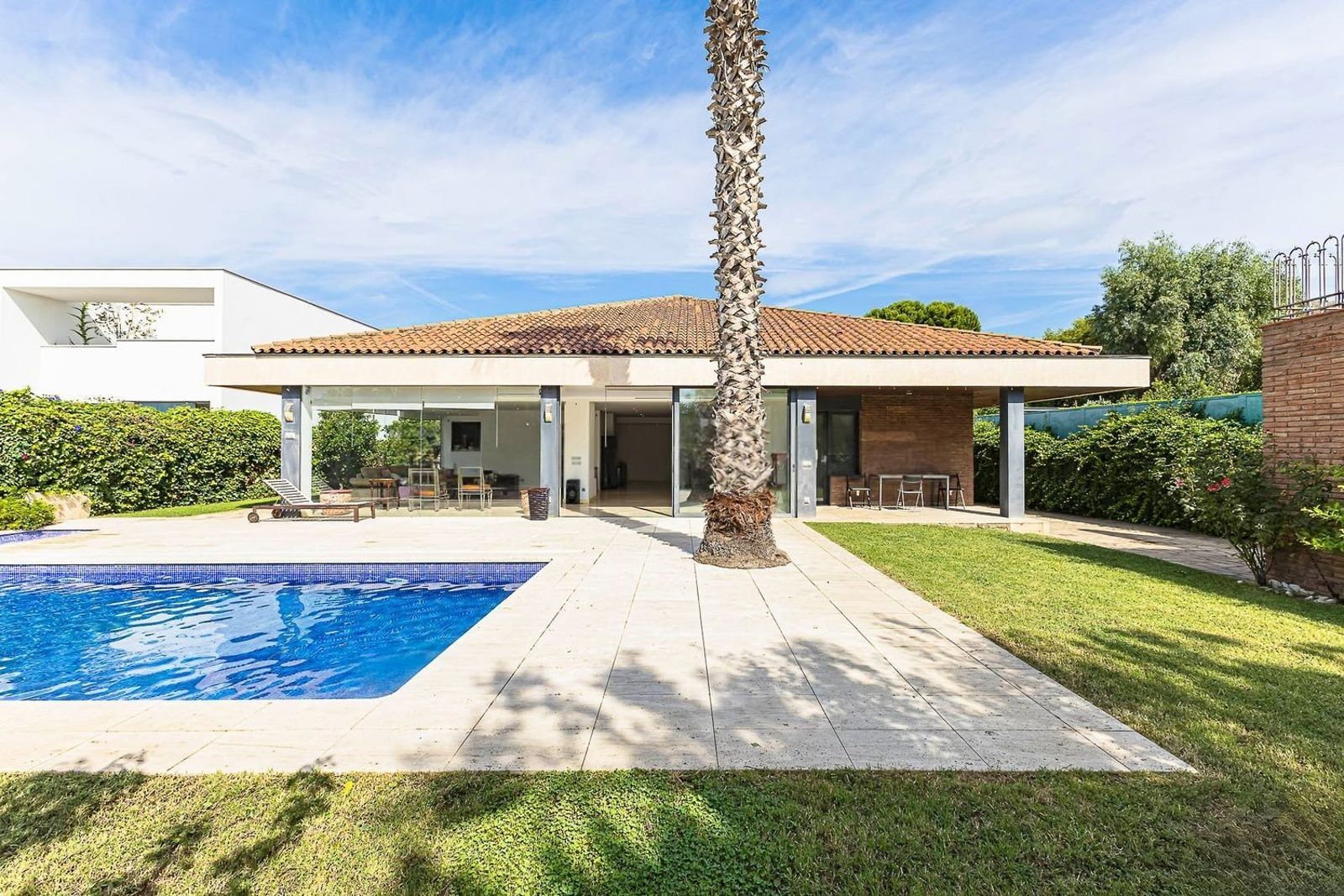
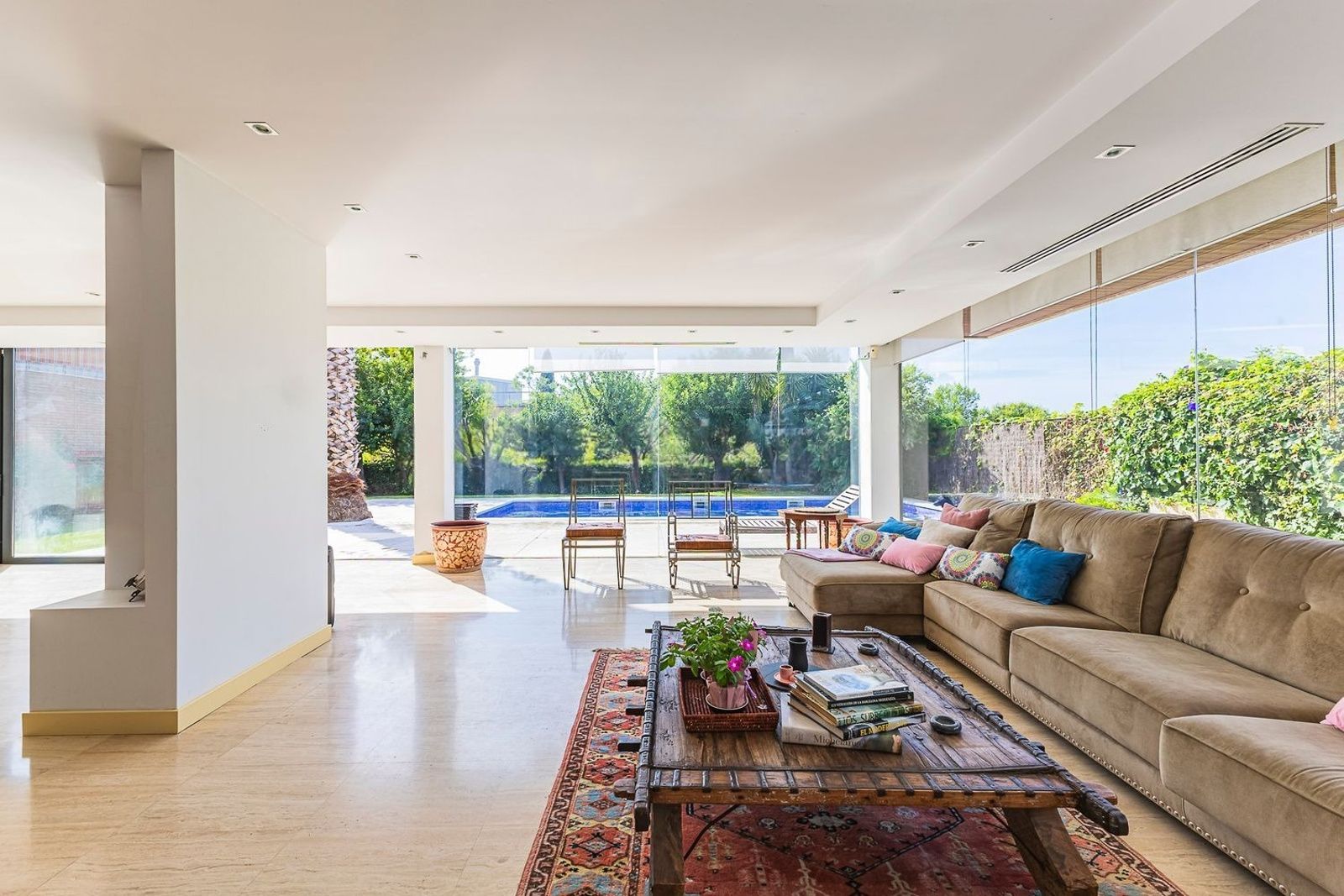
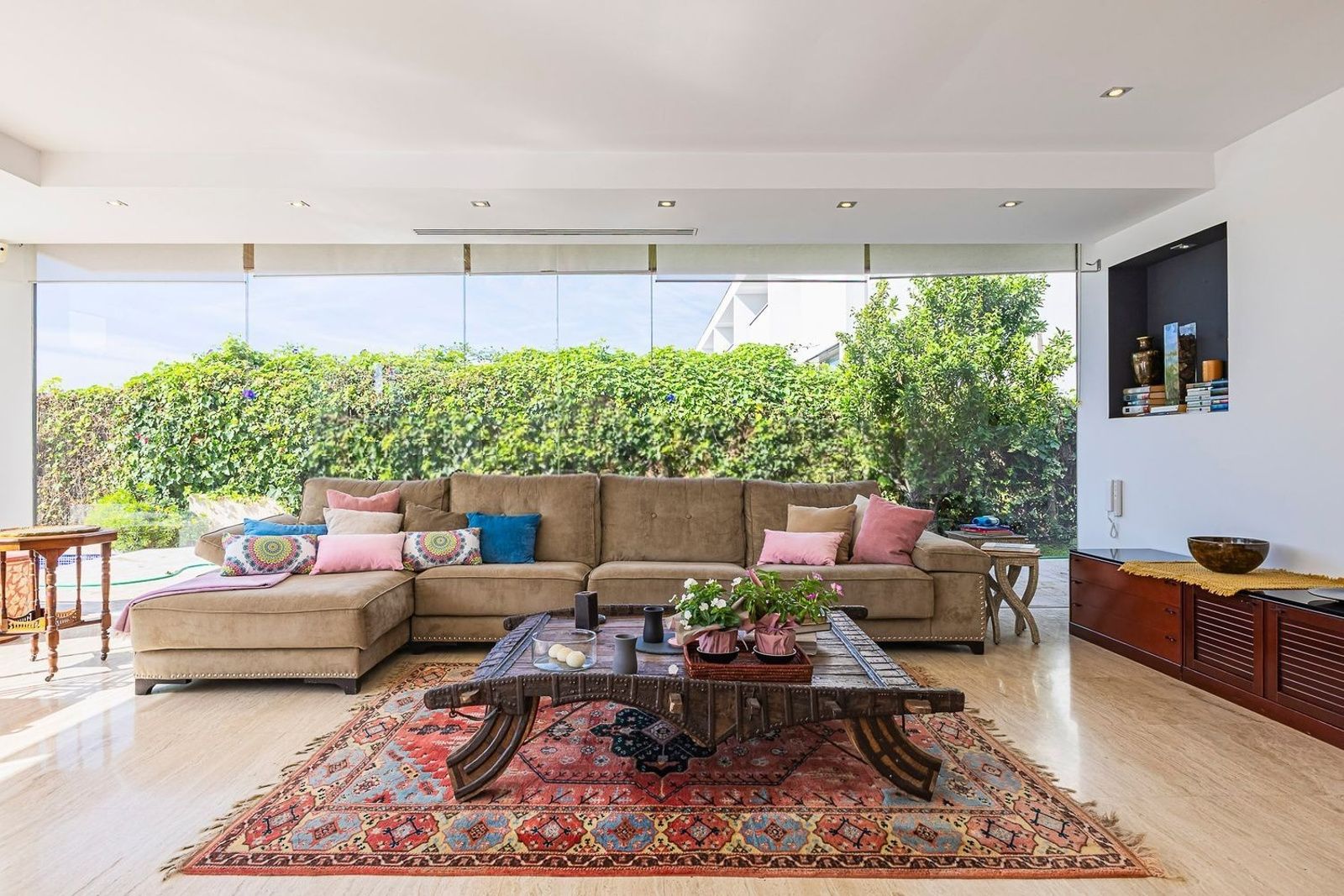
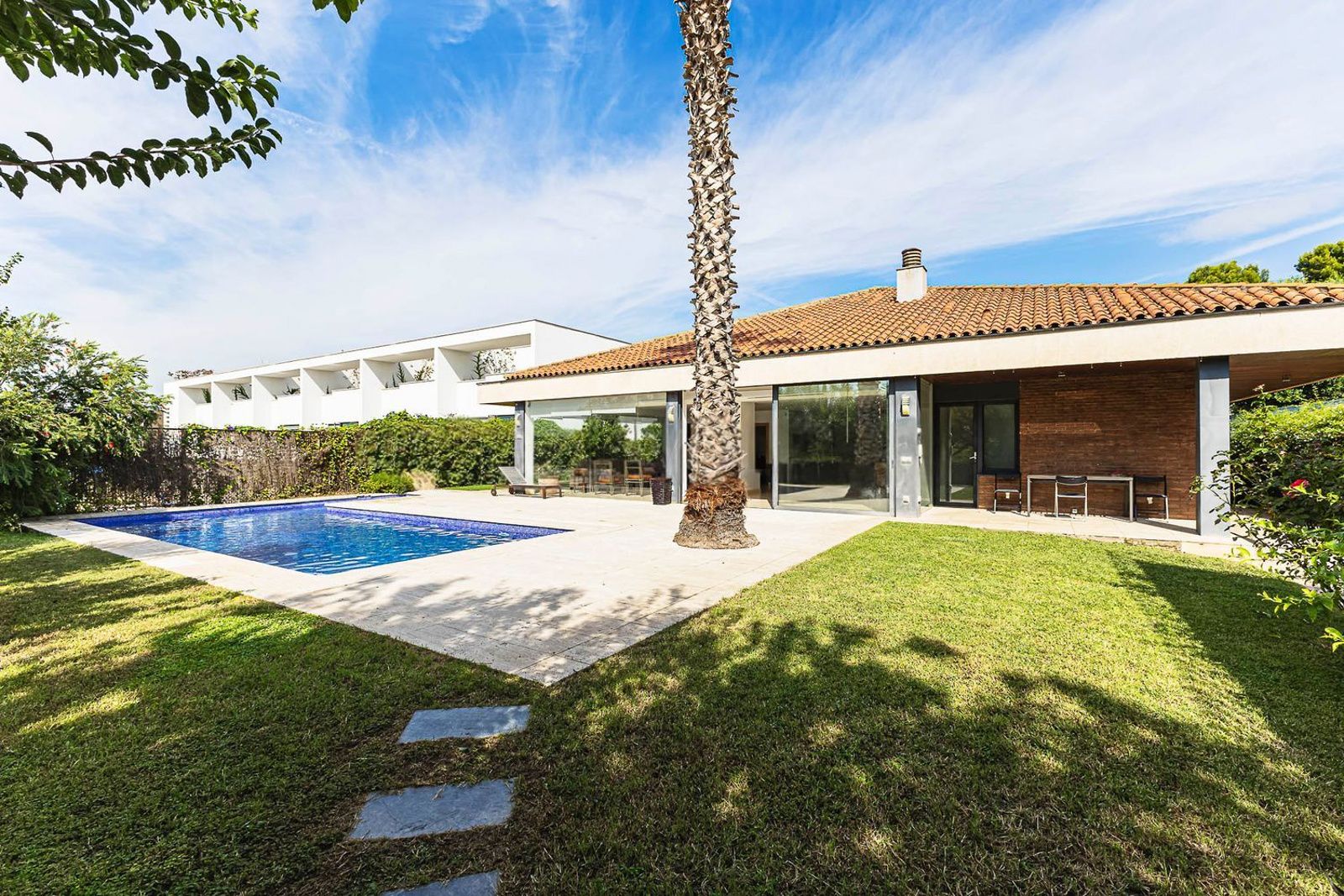
House in Esplugues de Llobregat, Barcelona
Catalonia, Spain
€ 2 250 000
Houses
ID GG_17744
Bedrooms
5
Rooms
5
Bathrooms
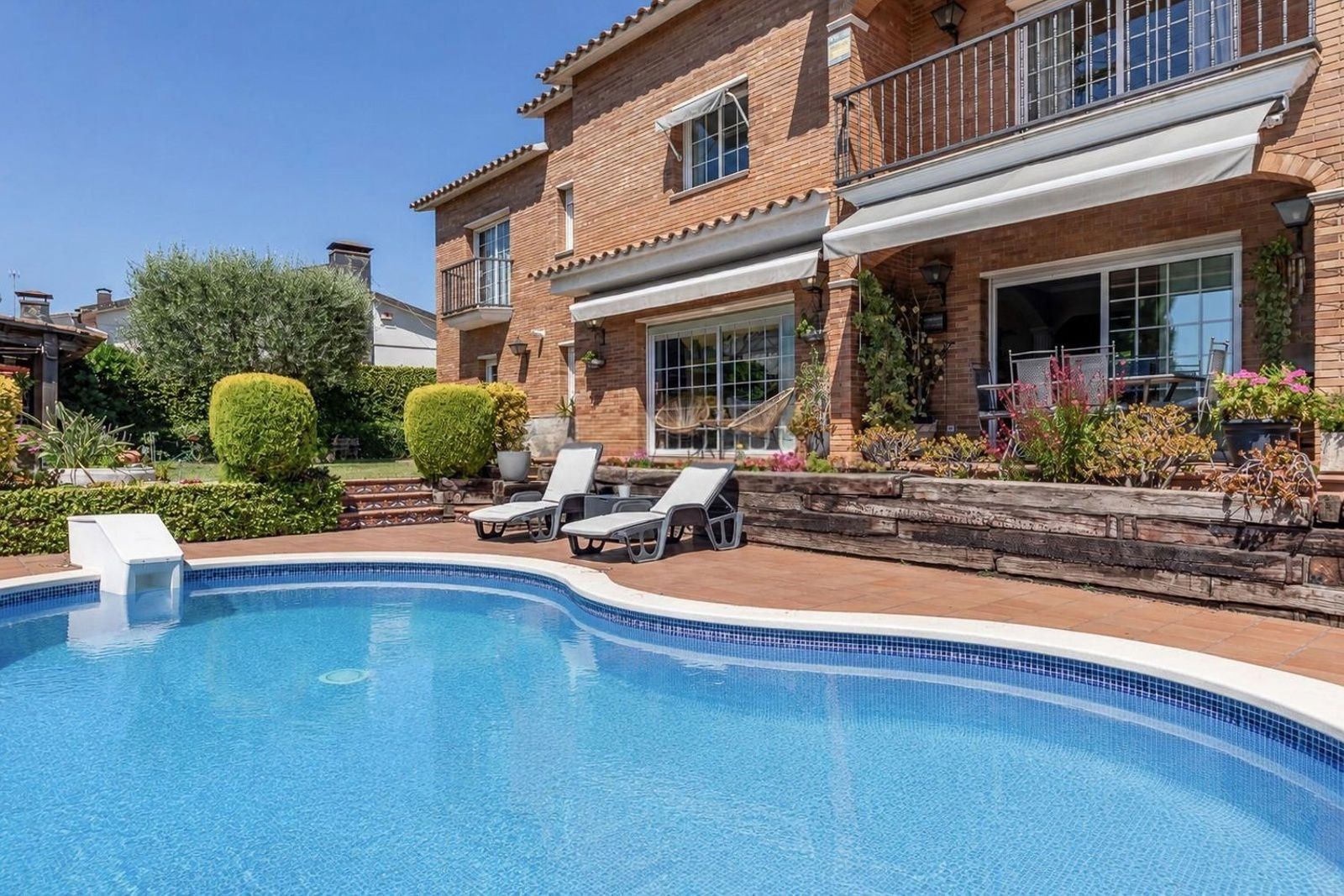
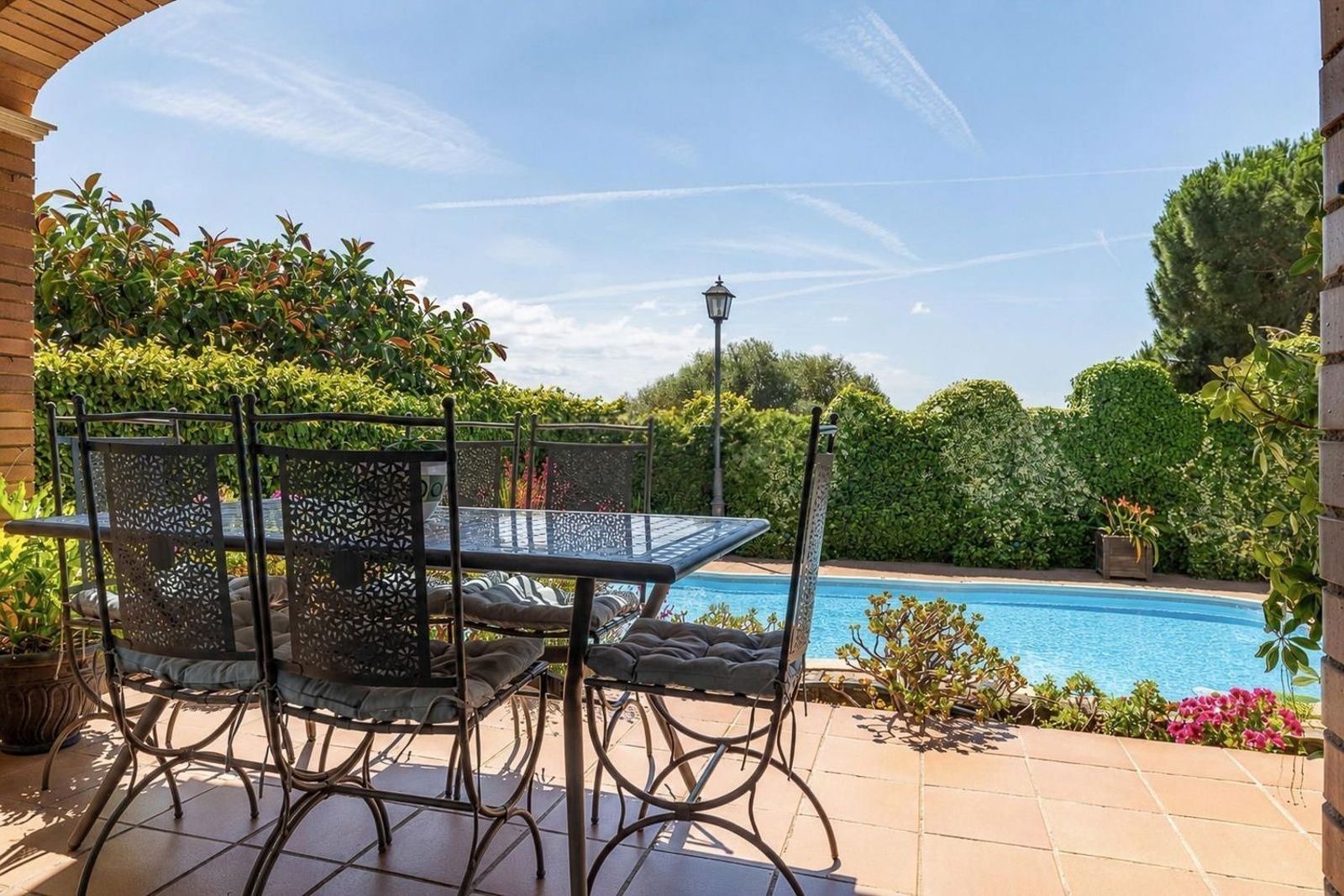
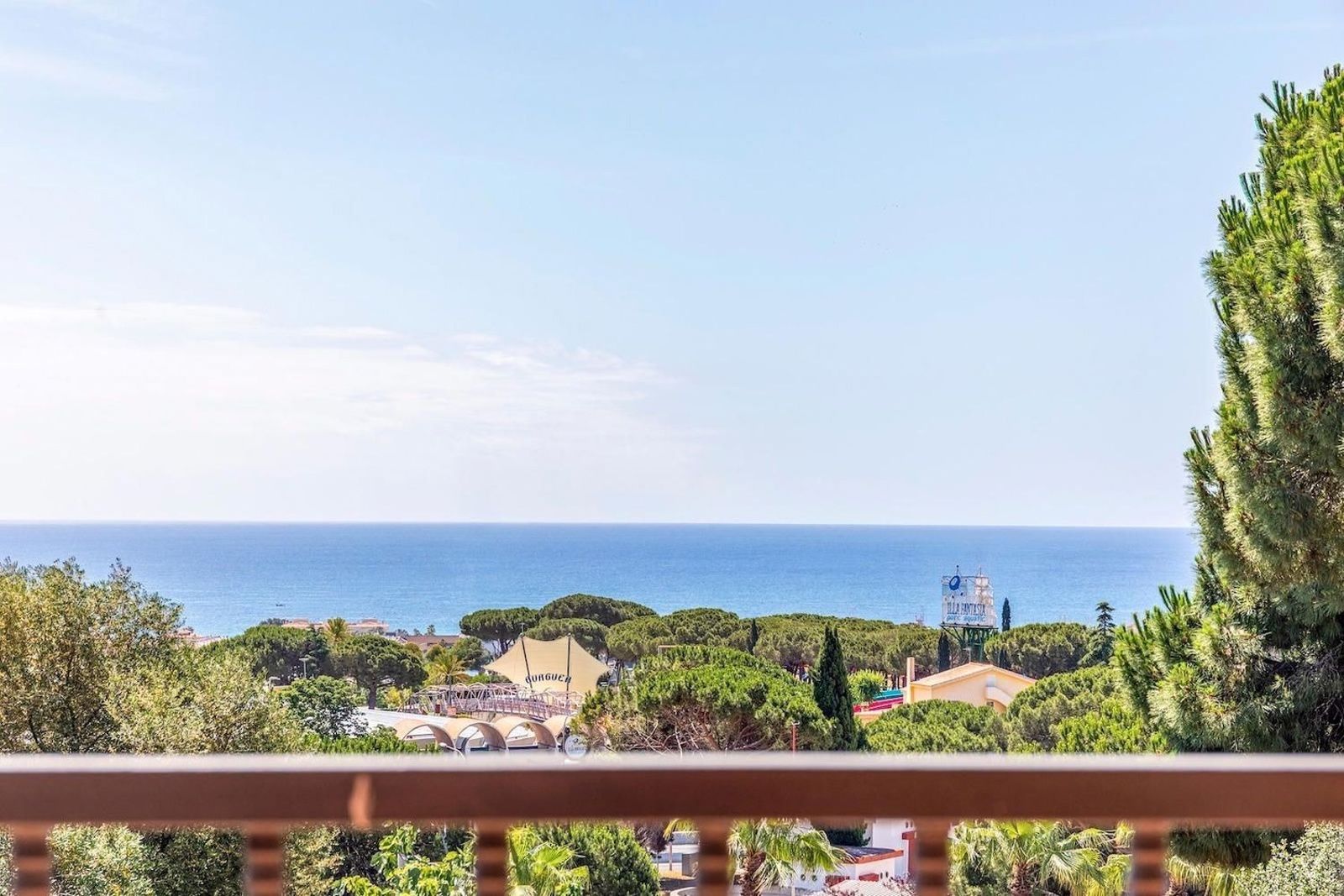
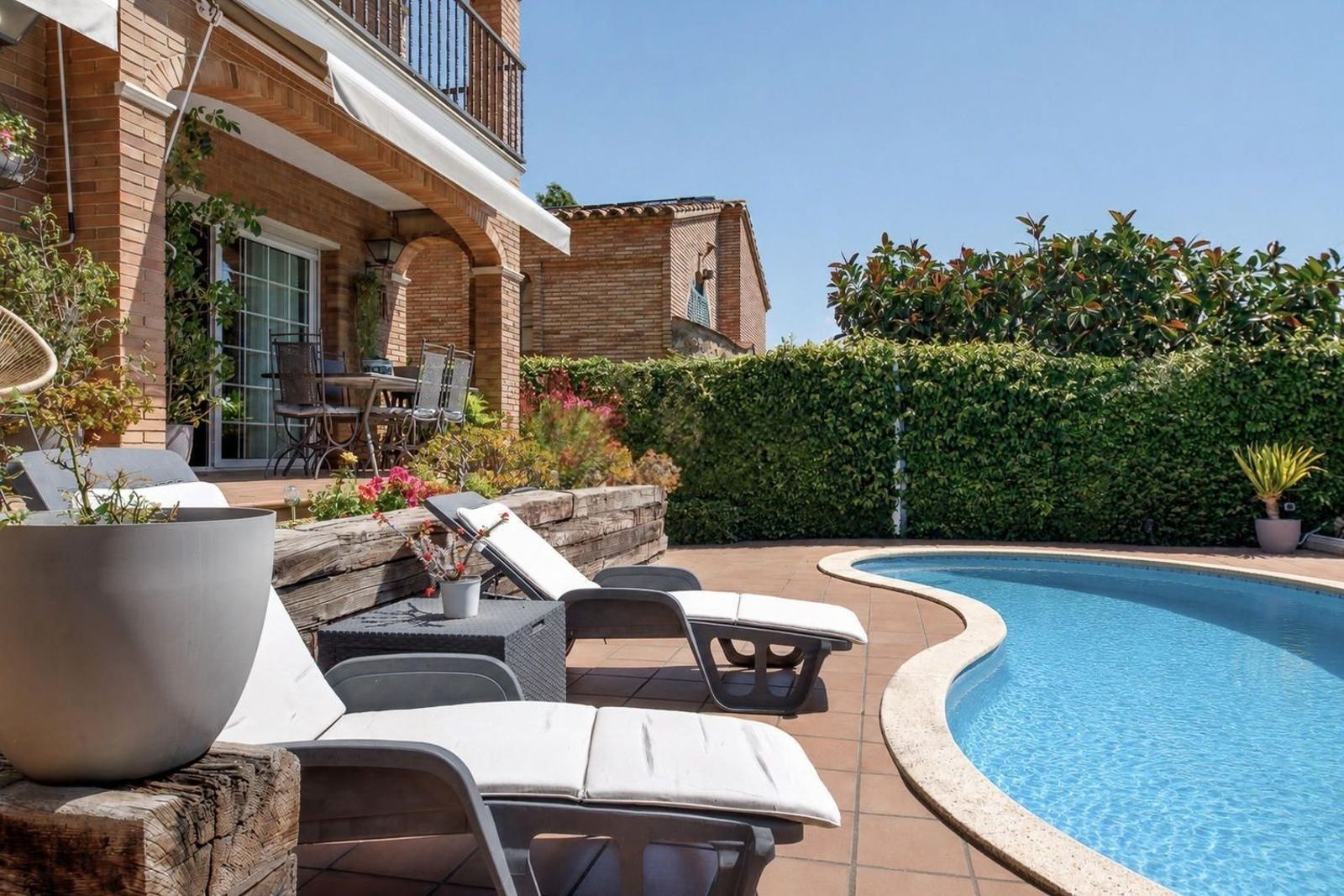
House in Vilassar de Dalt, Barcelona
Catalonia, Spain
€ 850 000
Houses
ID GG_17615
Bedrooms
6
Rooms
4
Bathrooms
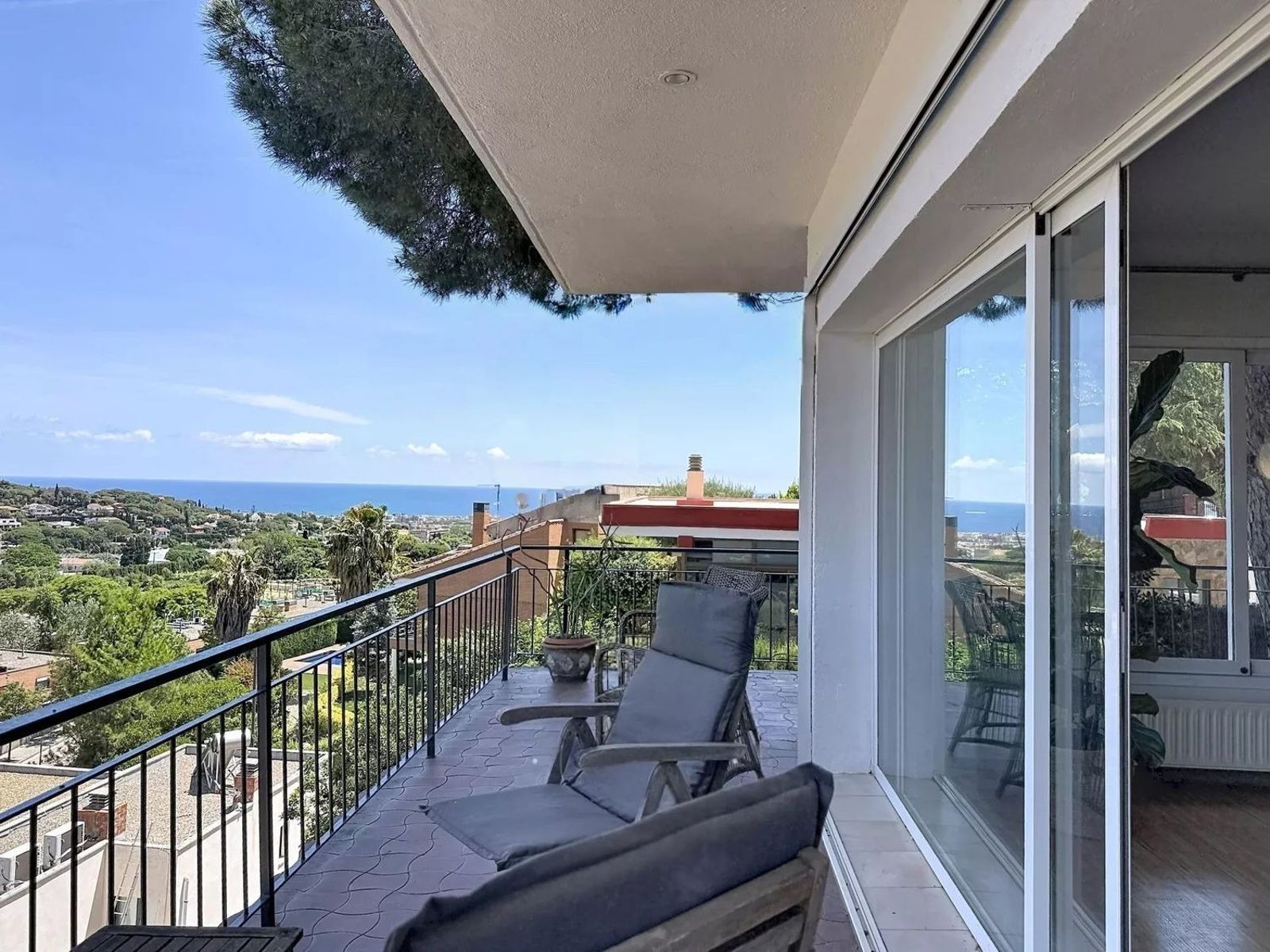
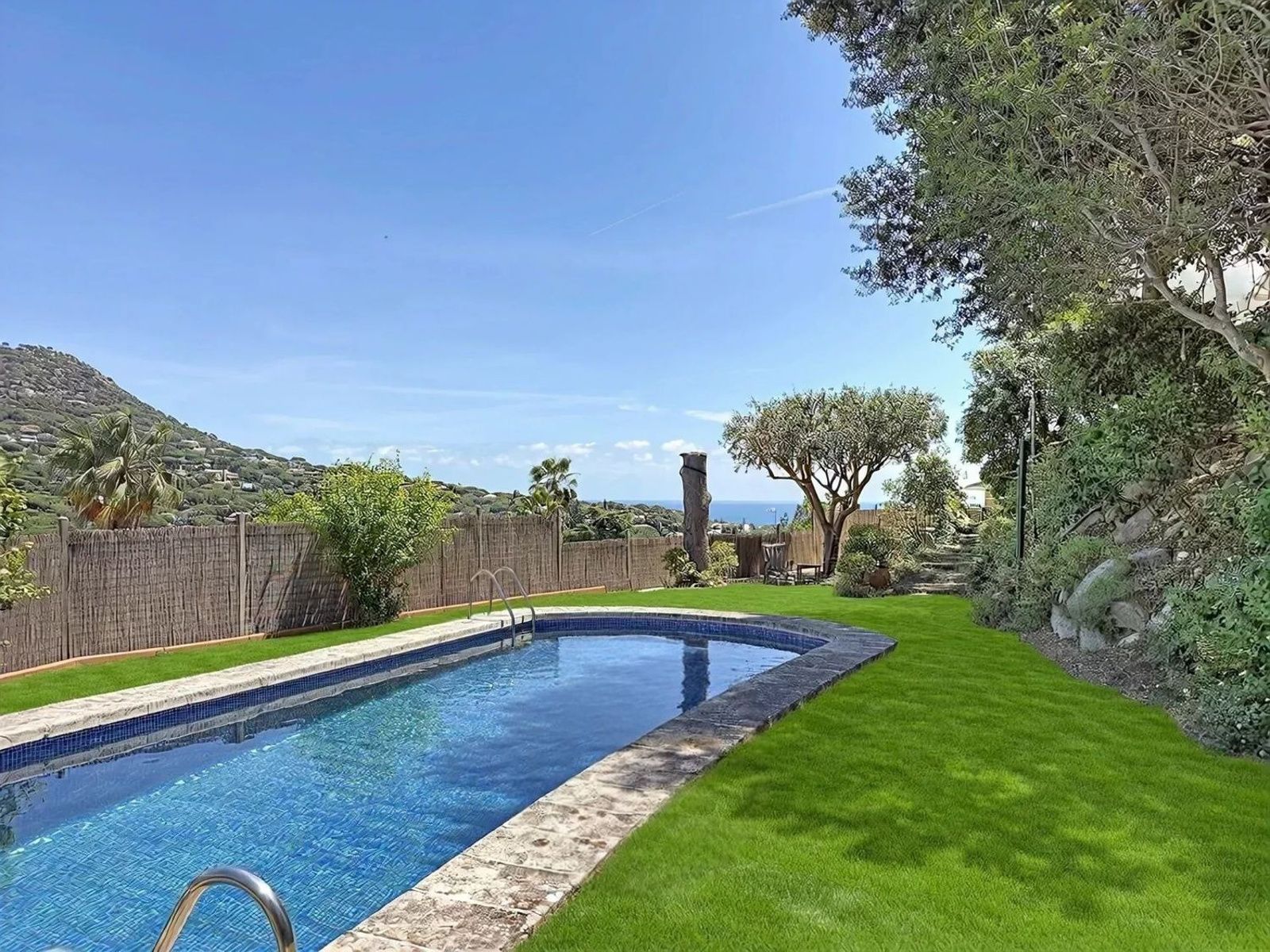
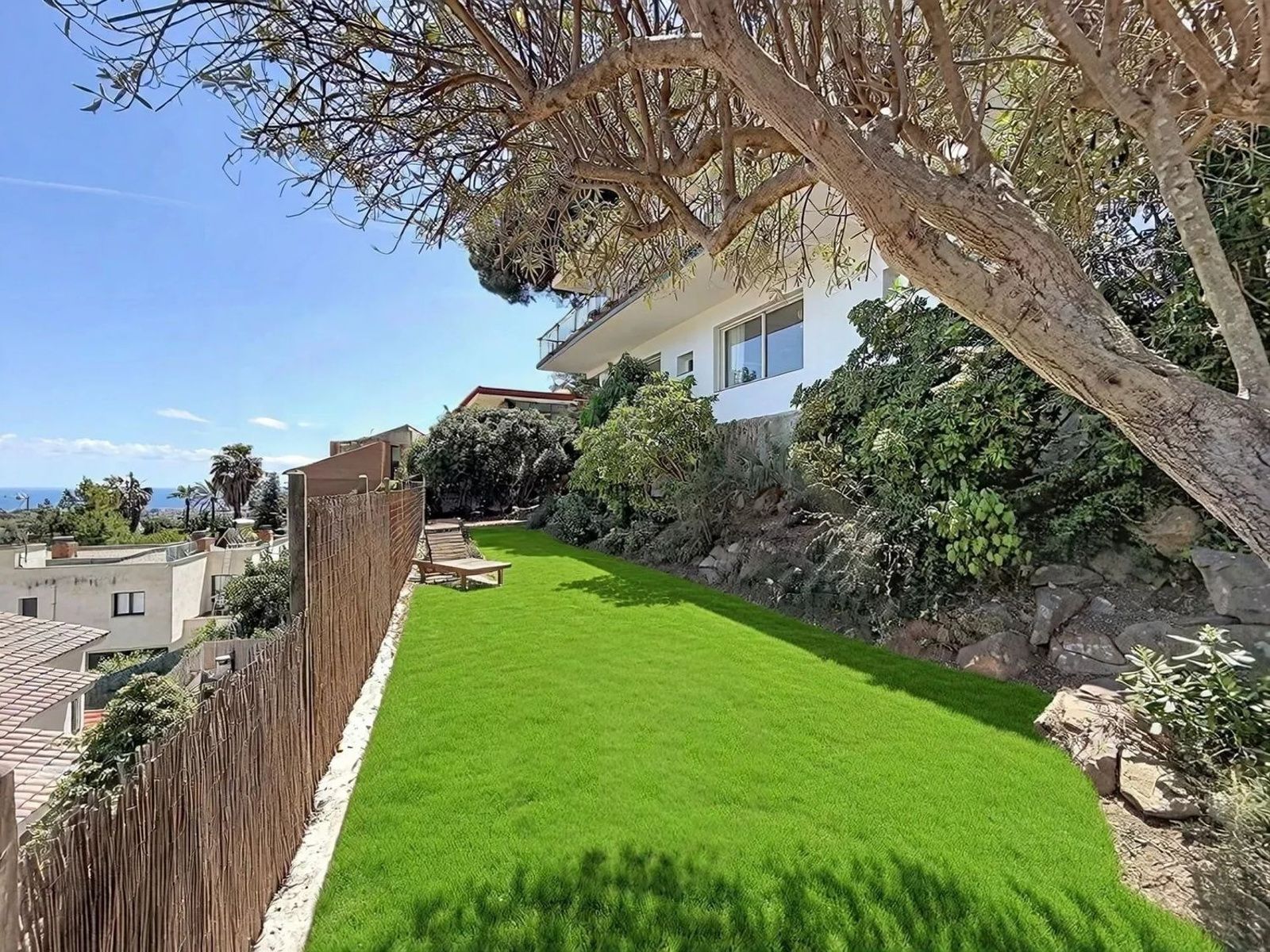
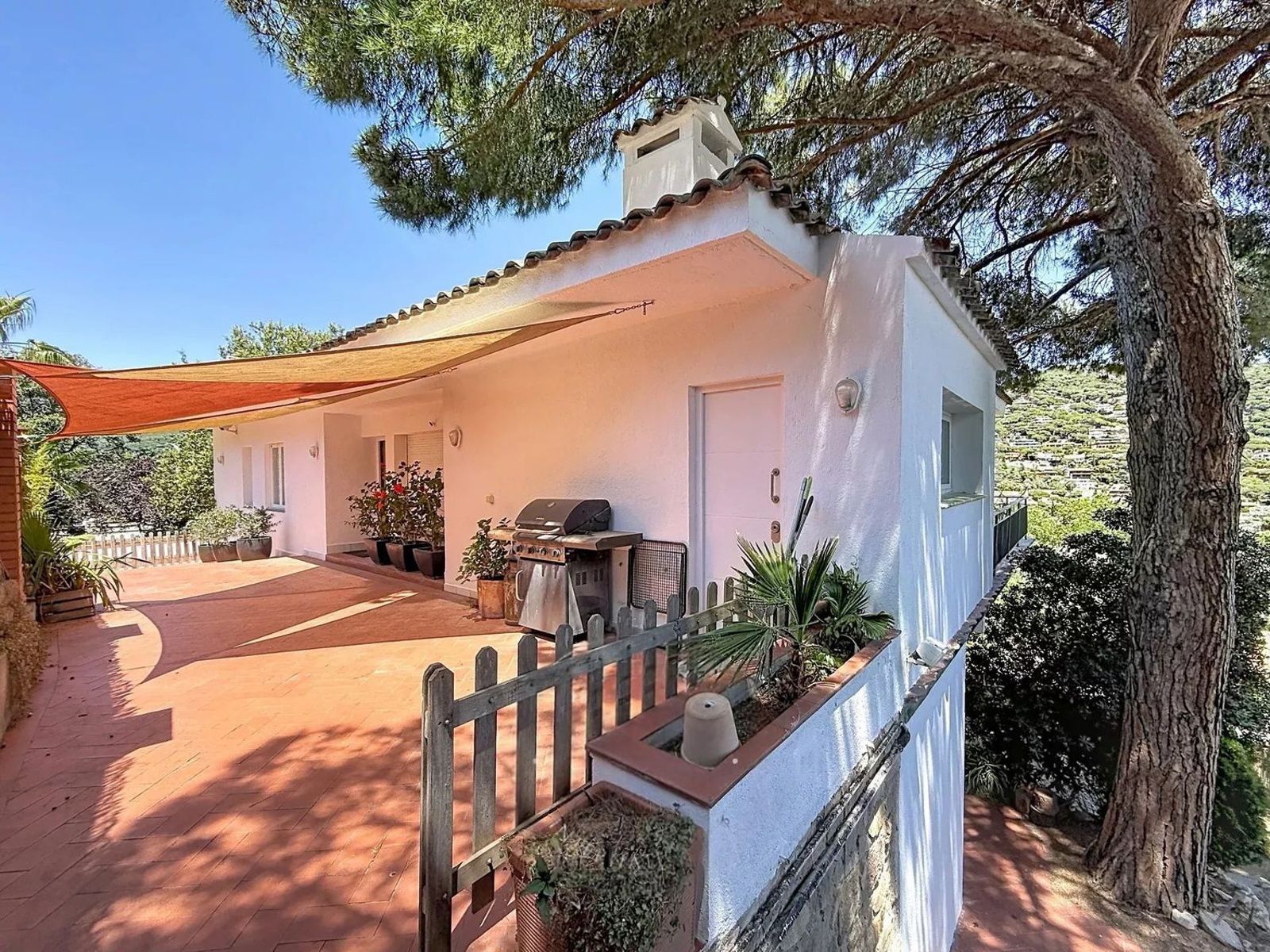
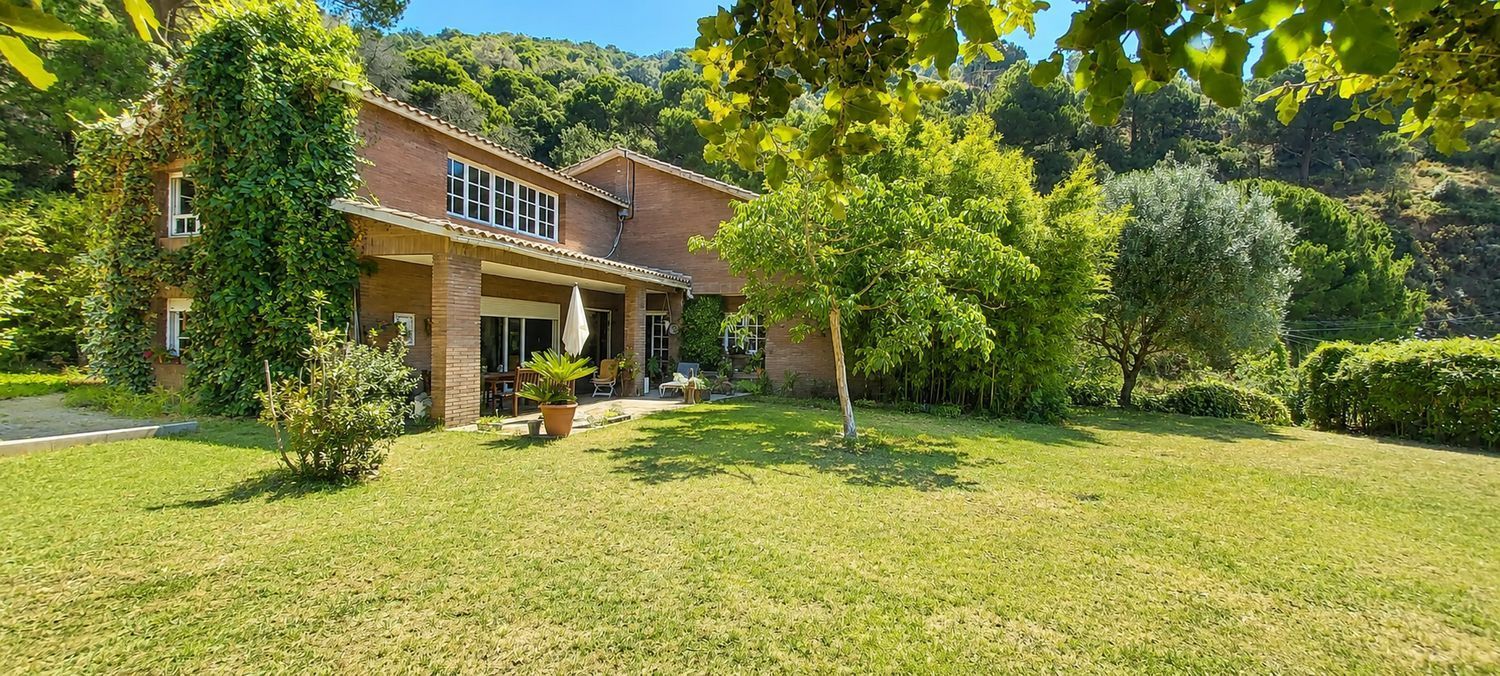
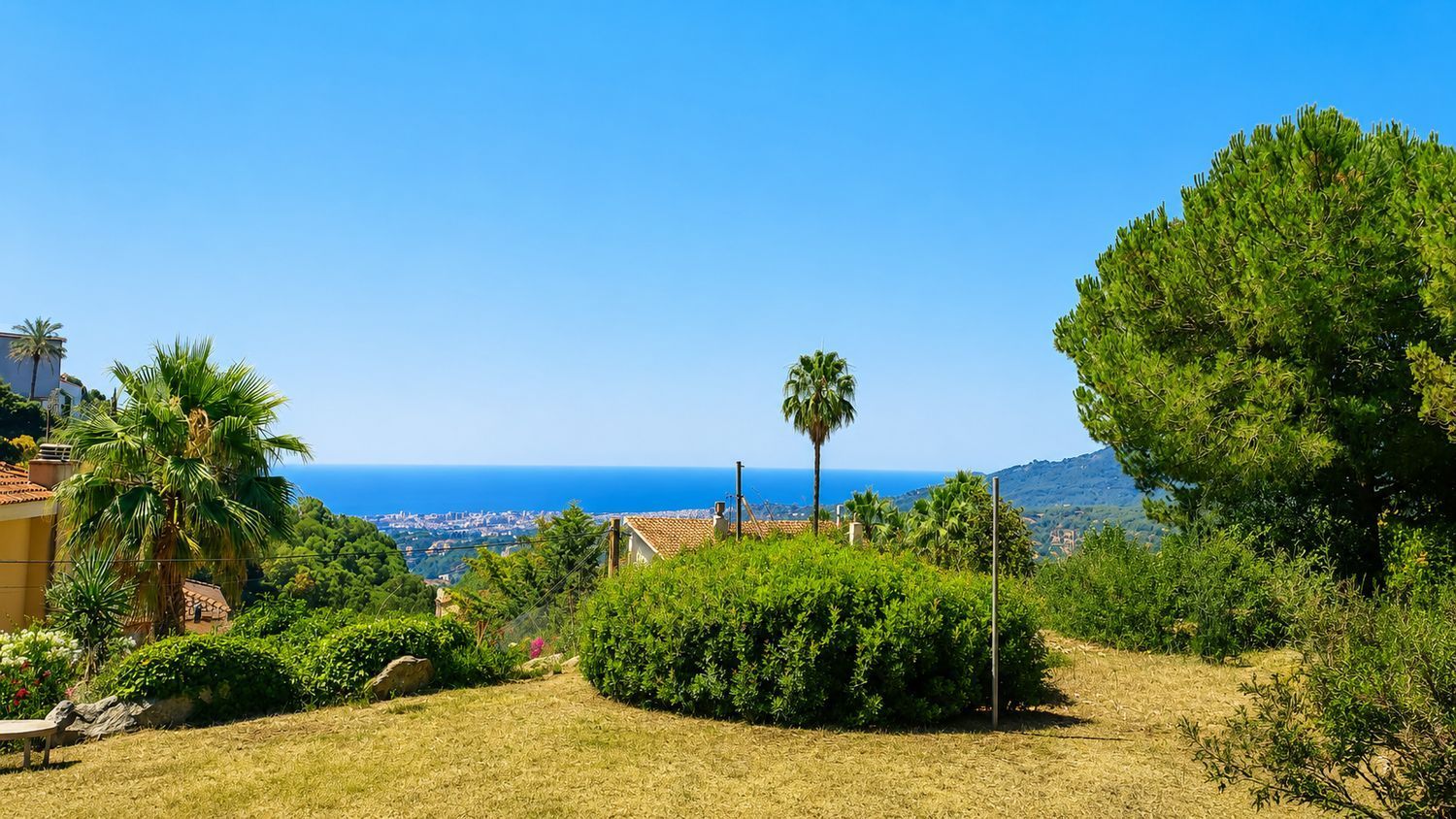
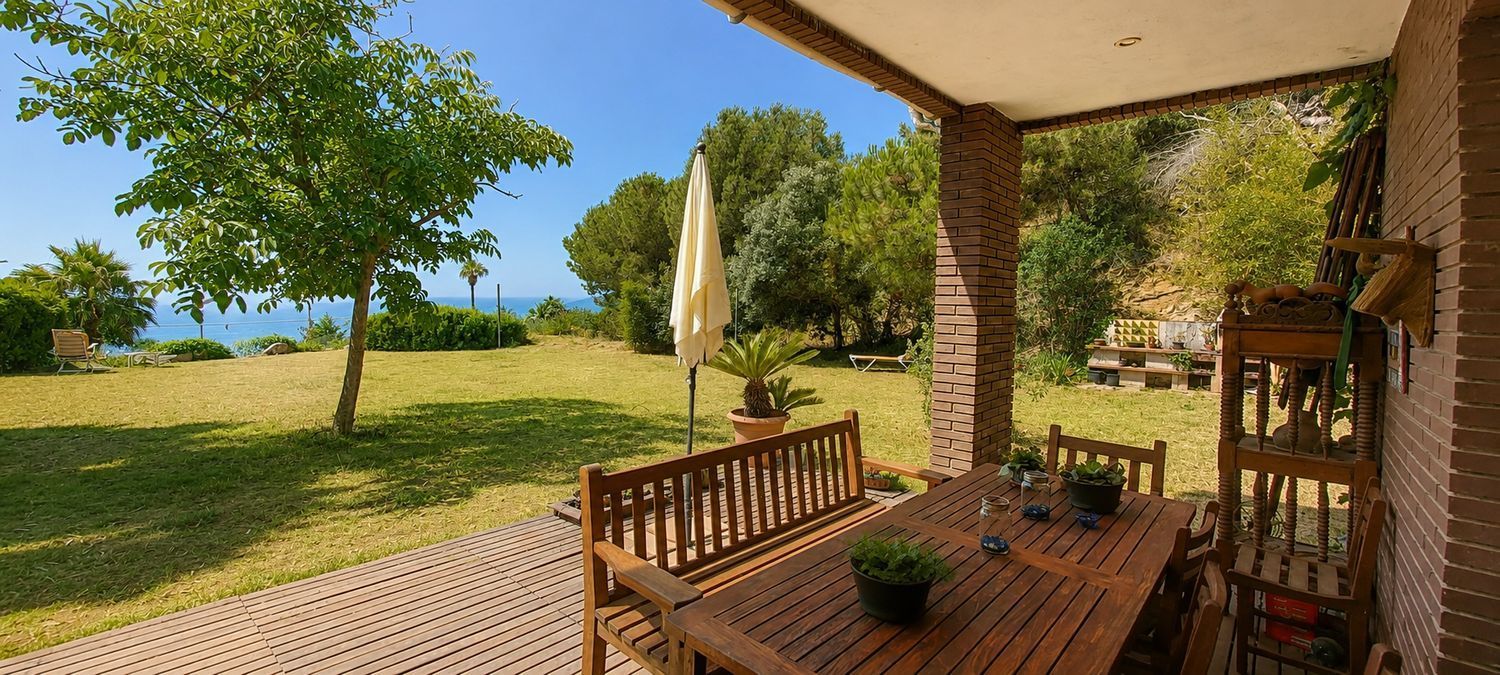
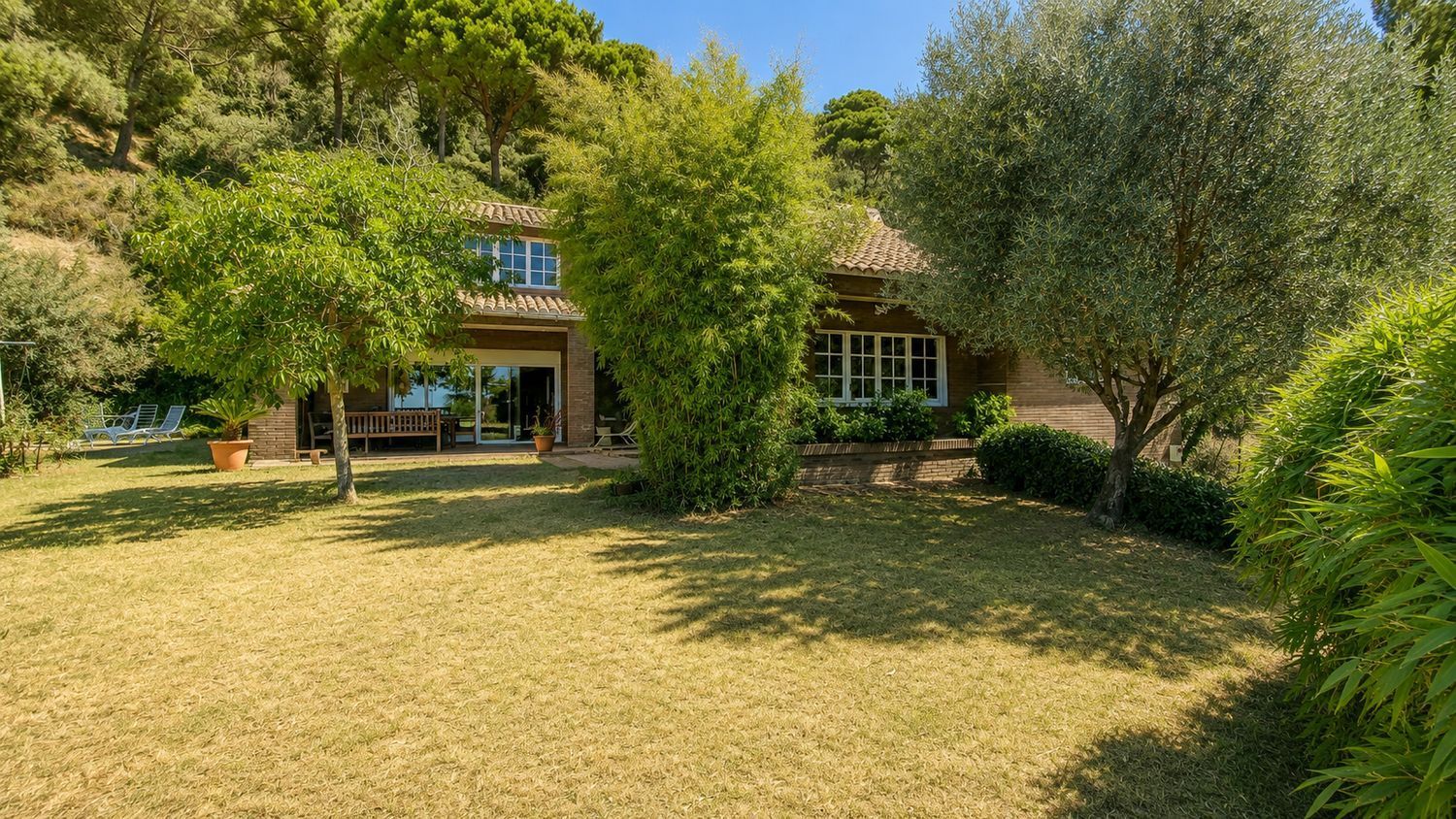
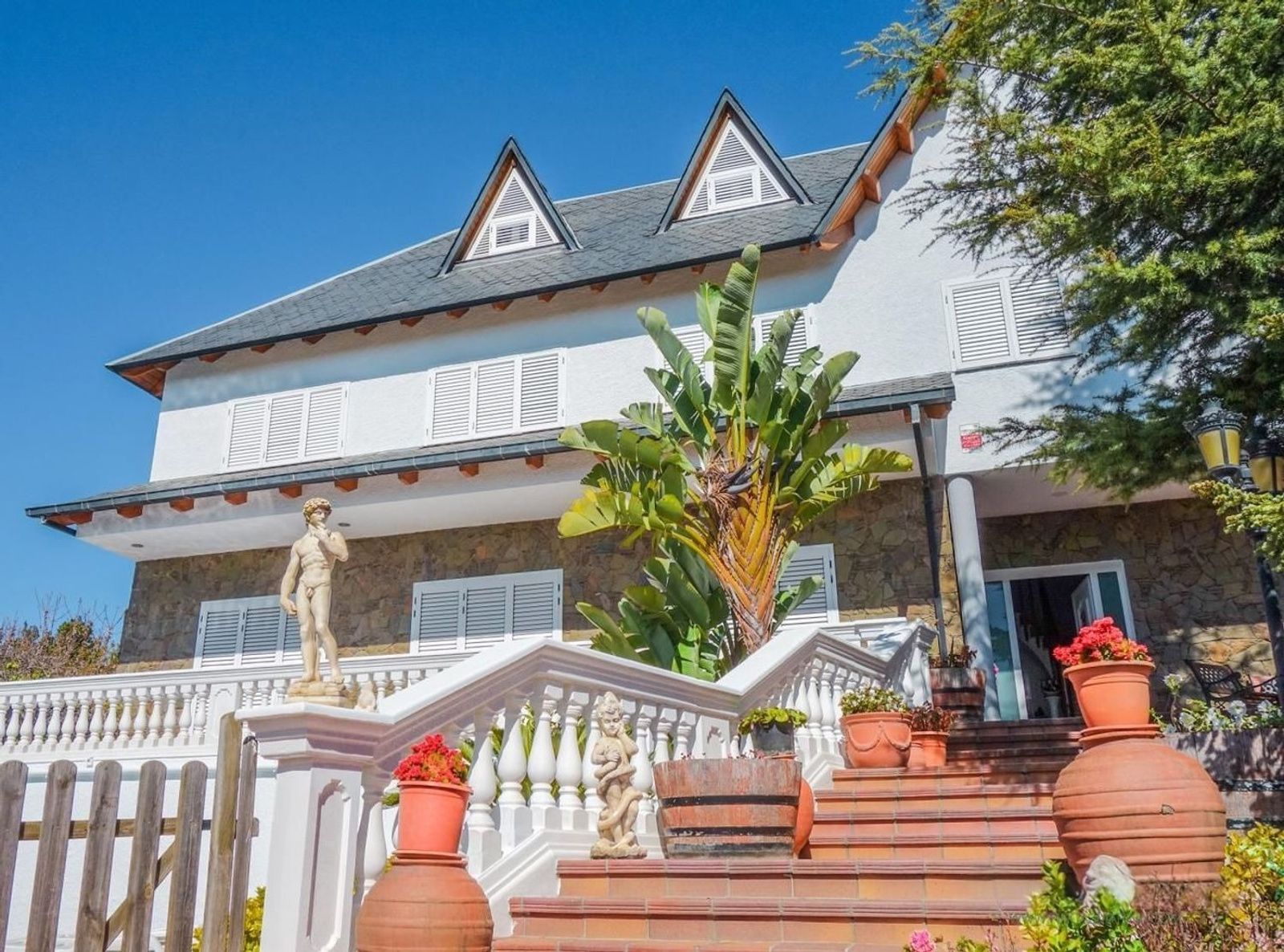
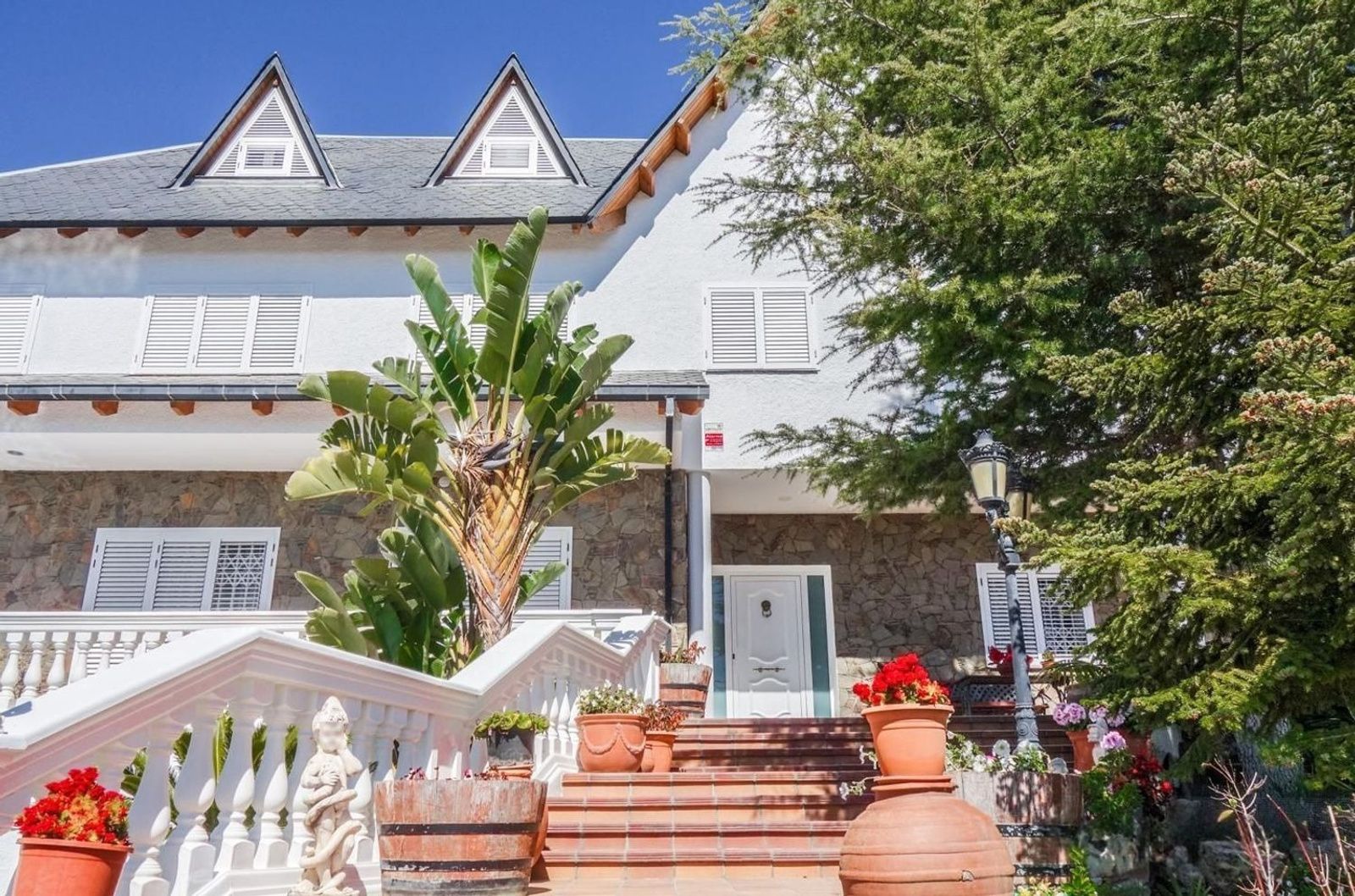
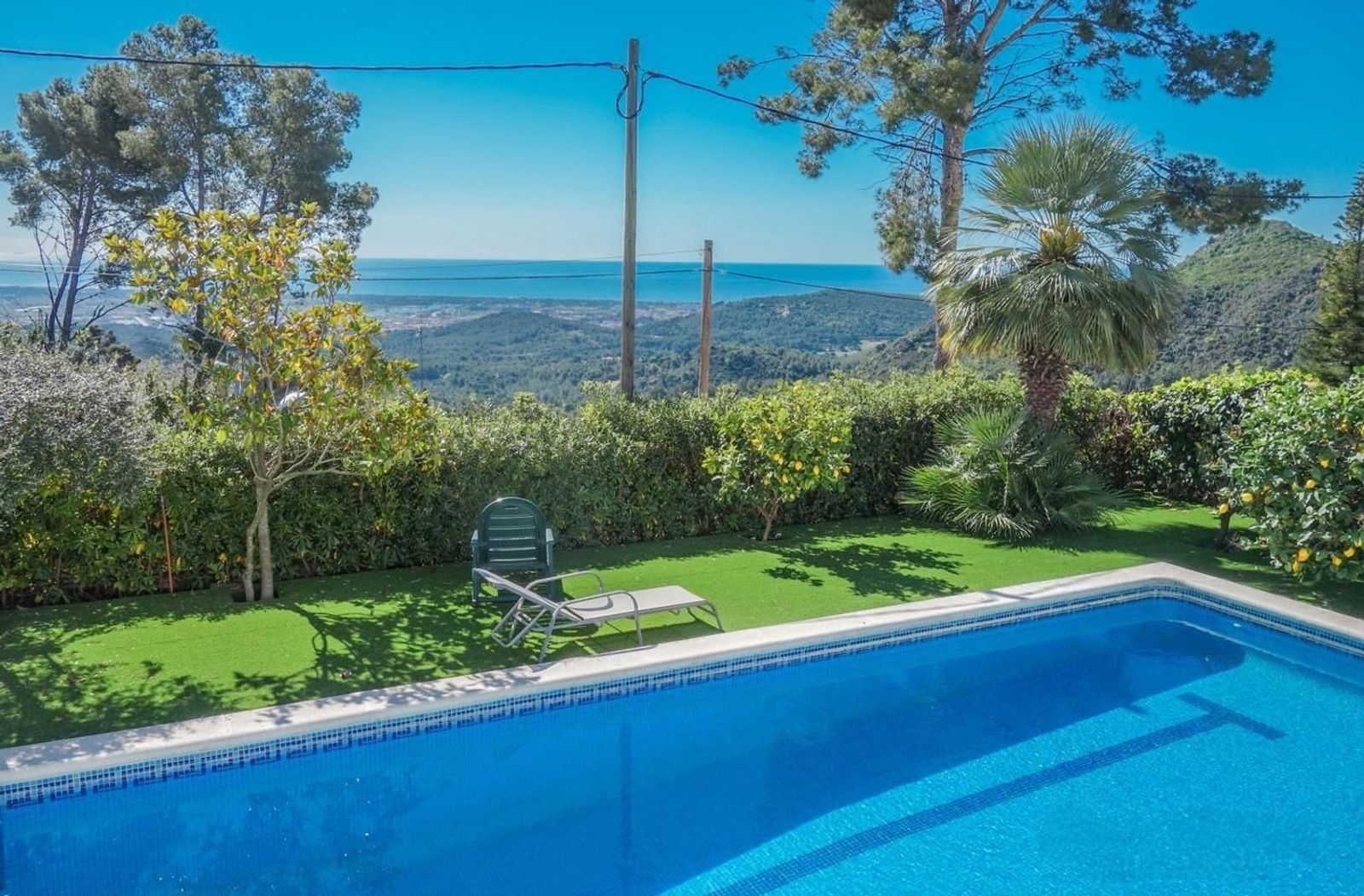
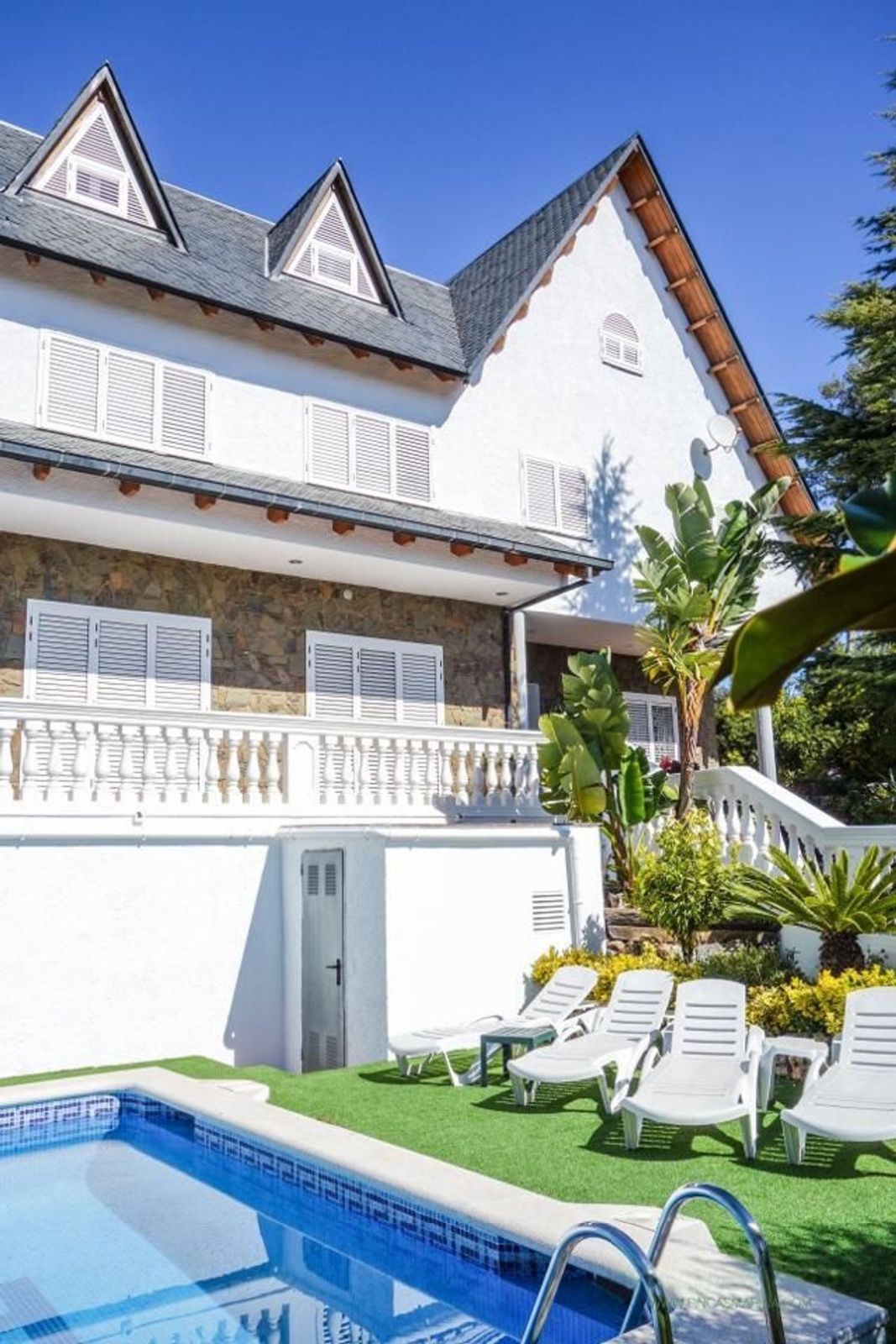
House in Bruguers, Gava, Barcelona
Catalonia, Spain
€ 995 000
Houses
ID GG_17586
Bedrooms
7
Rooms
4
Bathrooms
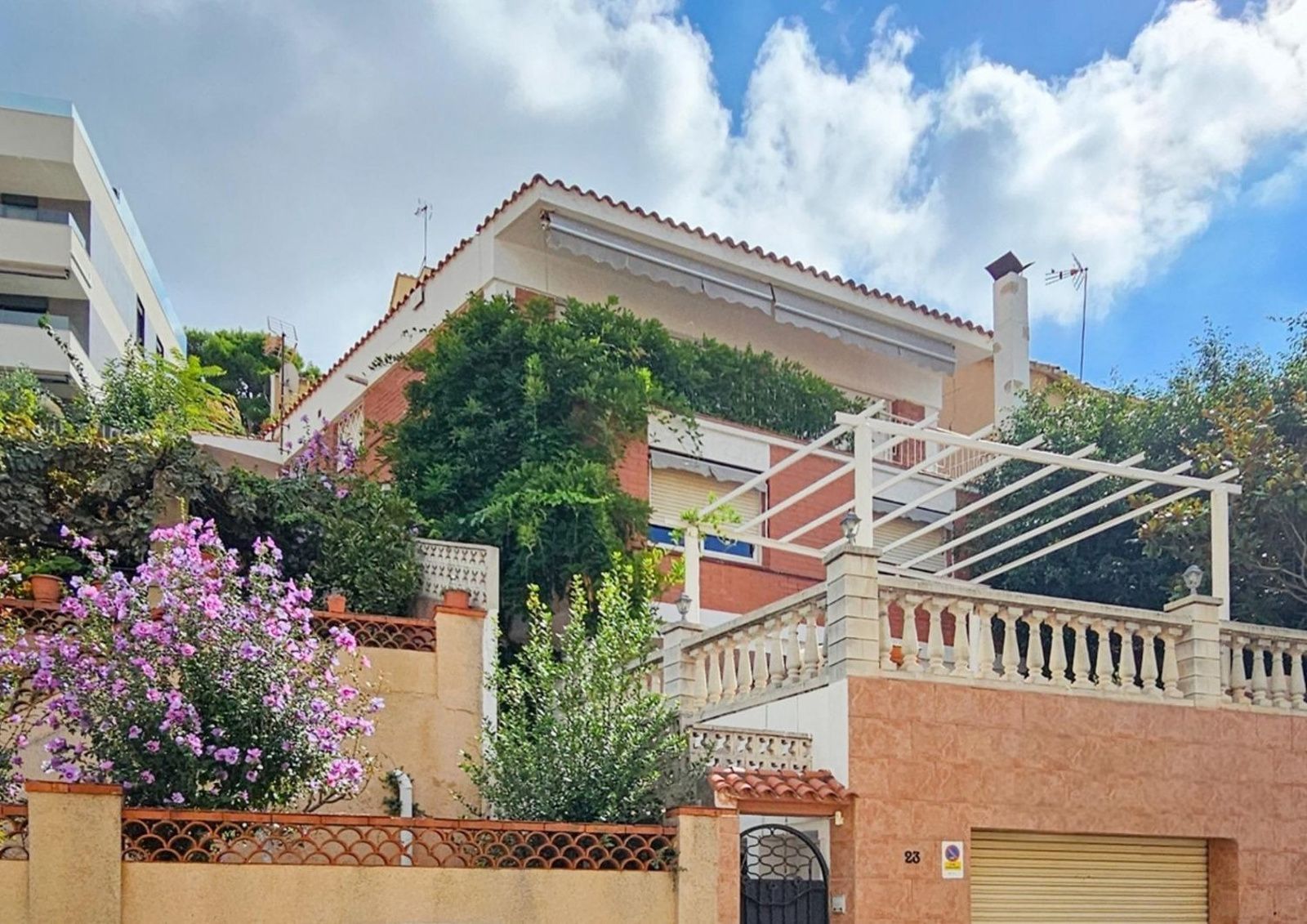
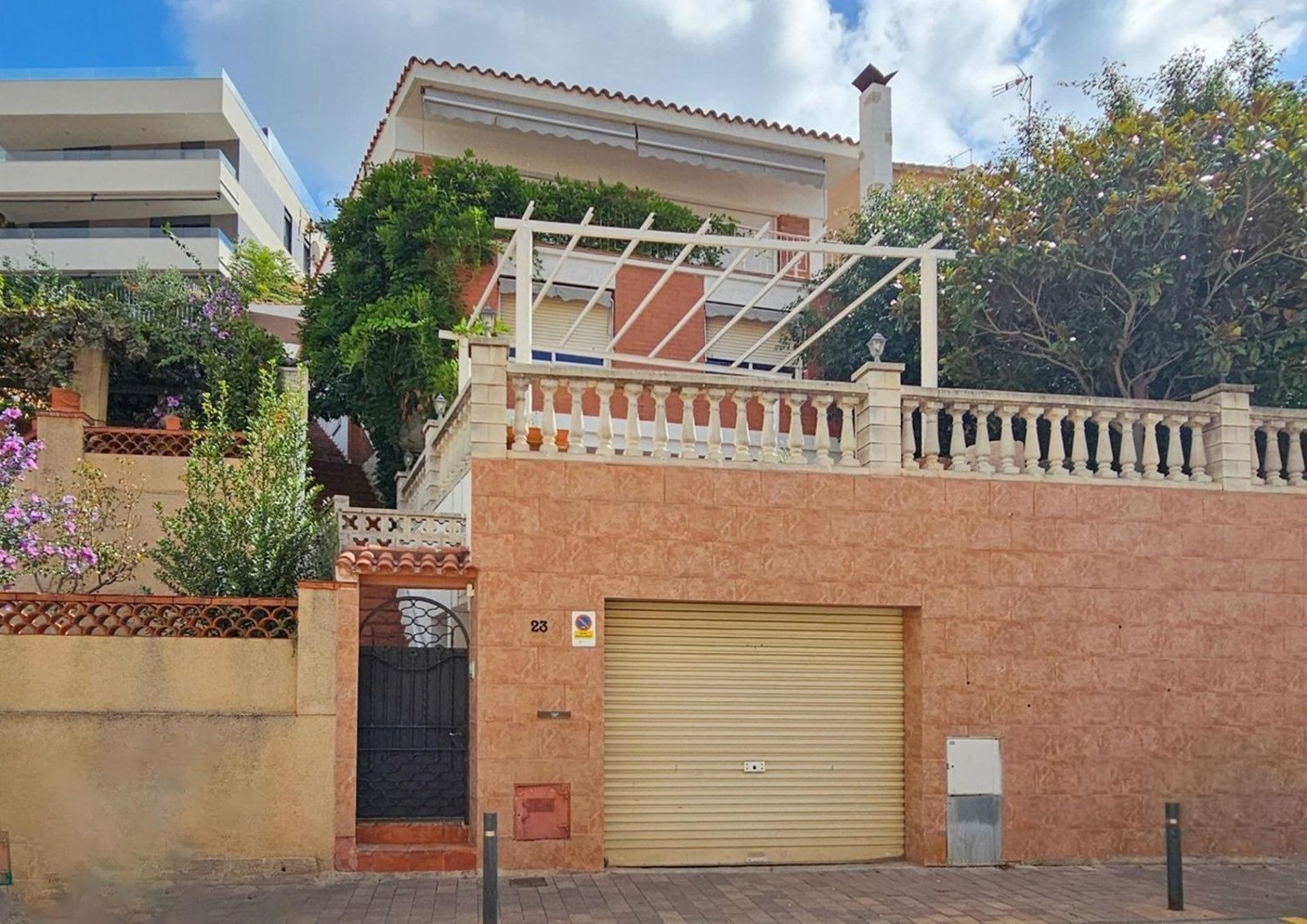
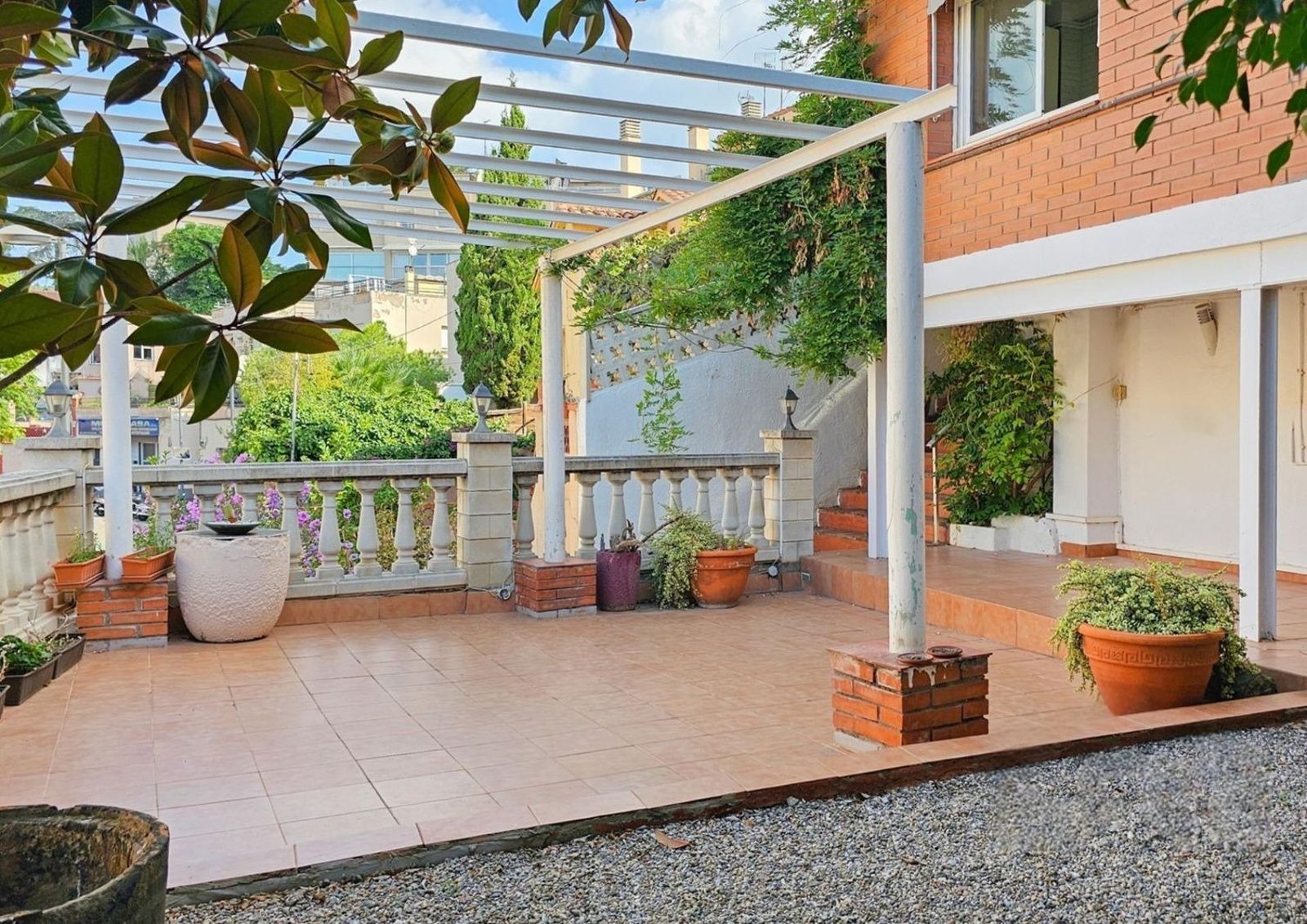
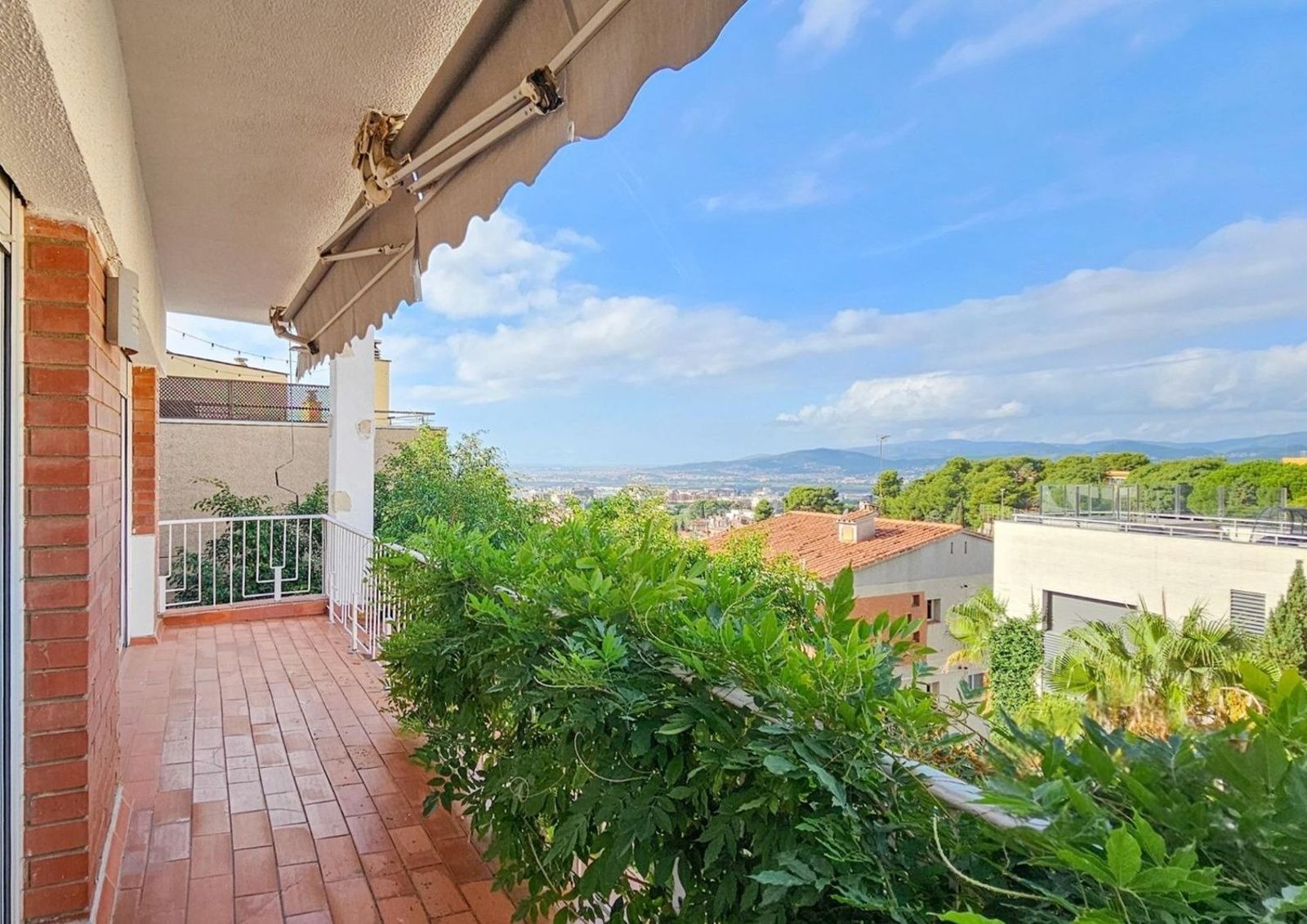
Modern House with Private Garden in Esplugues de Llobregat, Barcelona
Catalonia, Spain
€ 770 000
Houses
ID GG_17515
Bedrooms
6
Rooms
3
Bathrooms
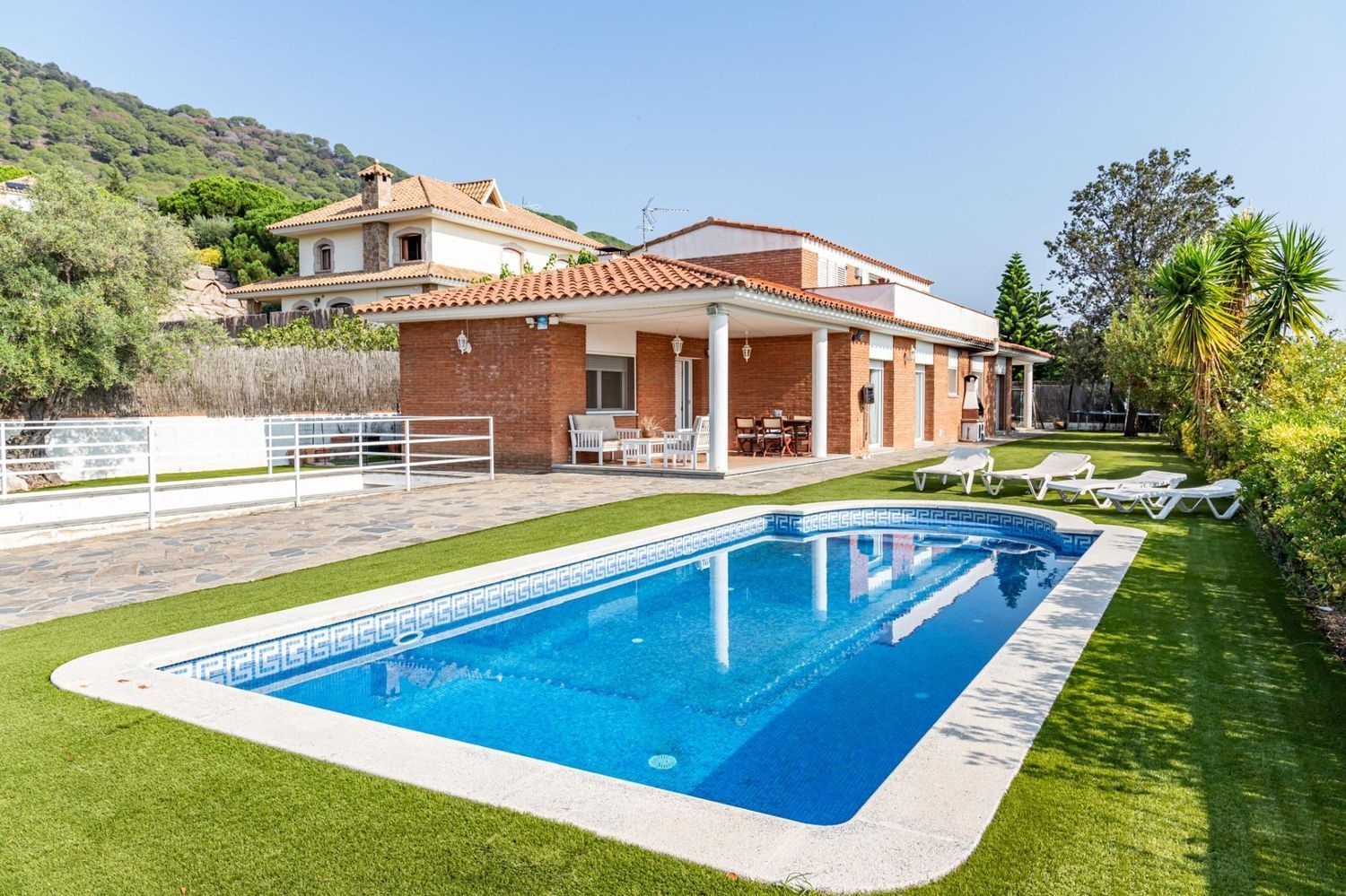
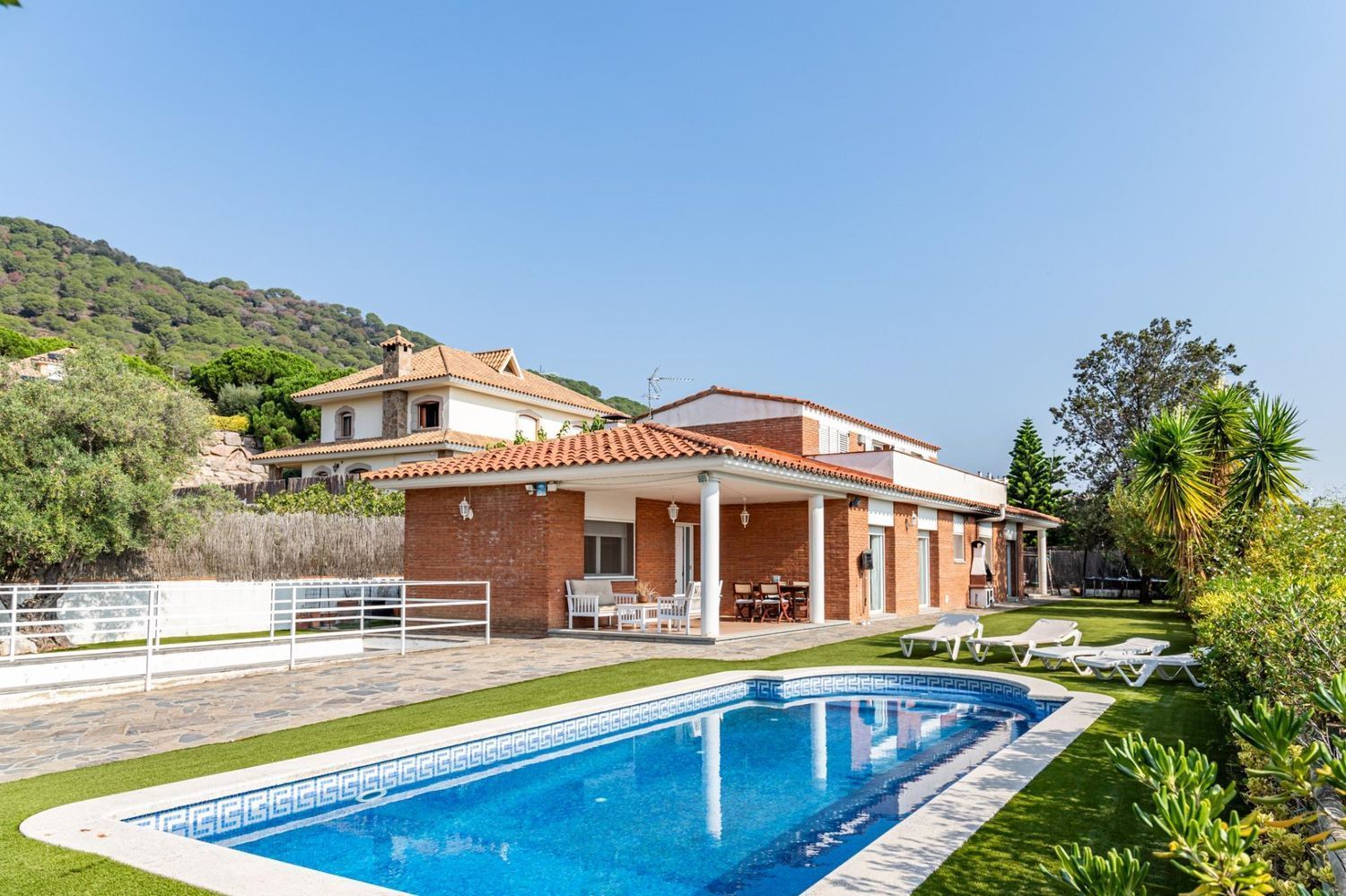
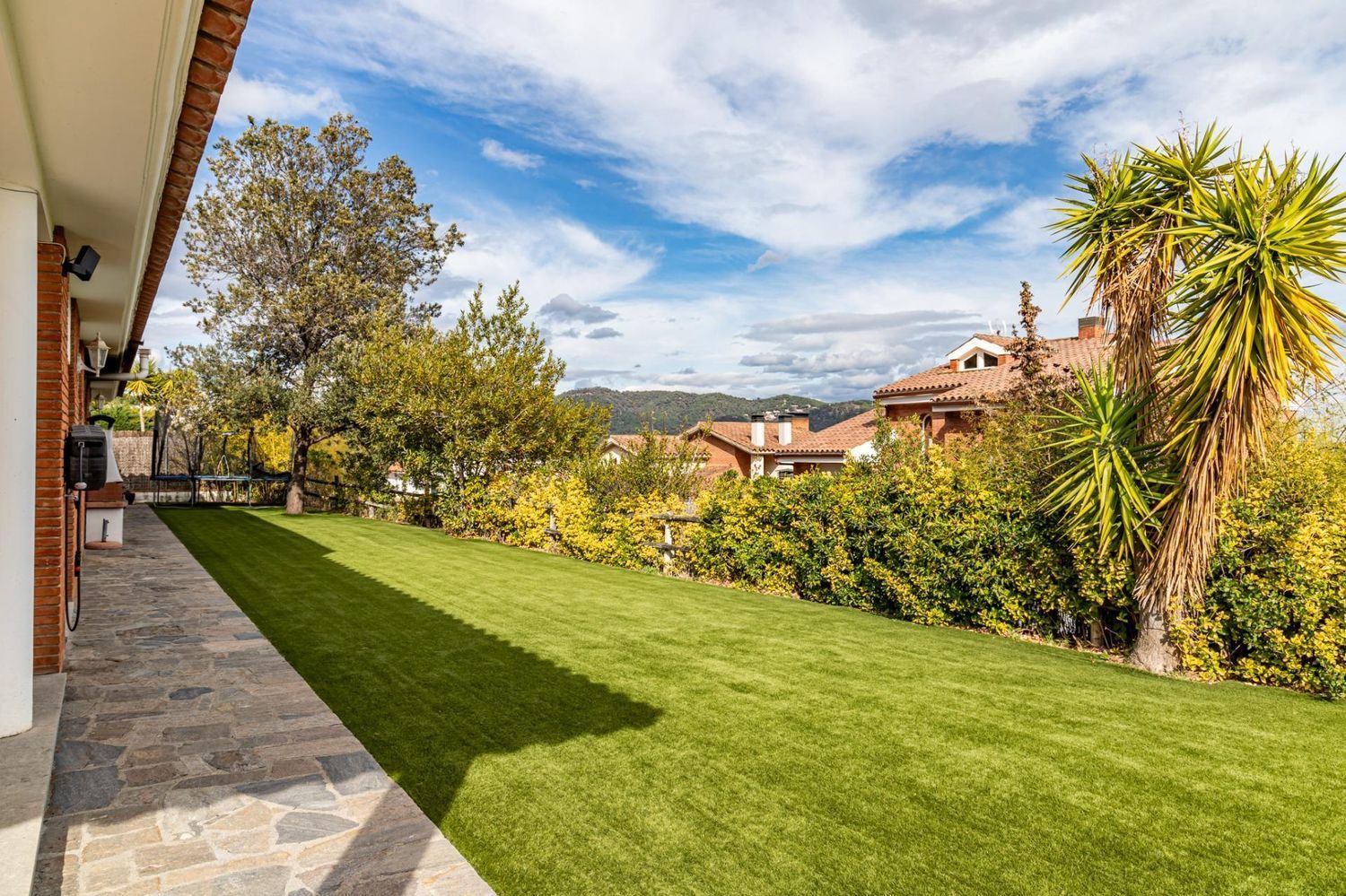
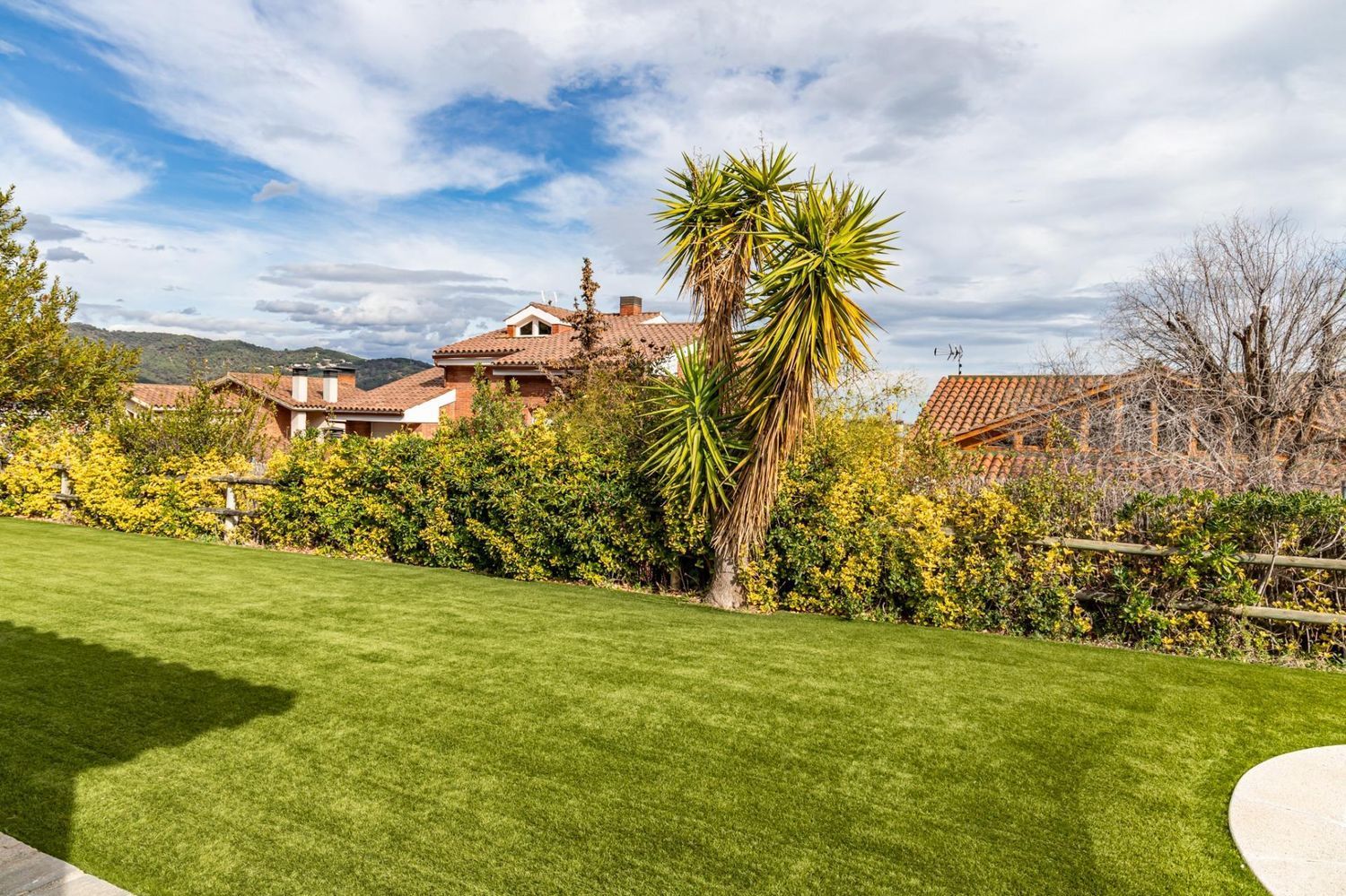
Detached Villa with Sea Views in Argentona, Barcelona
Catalonia, Spain
€ 790 000
Houses
ID GG_17506
Bedrooms
7
Rooms
4
Bathrooms
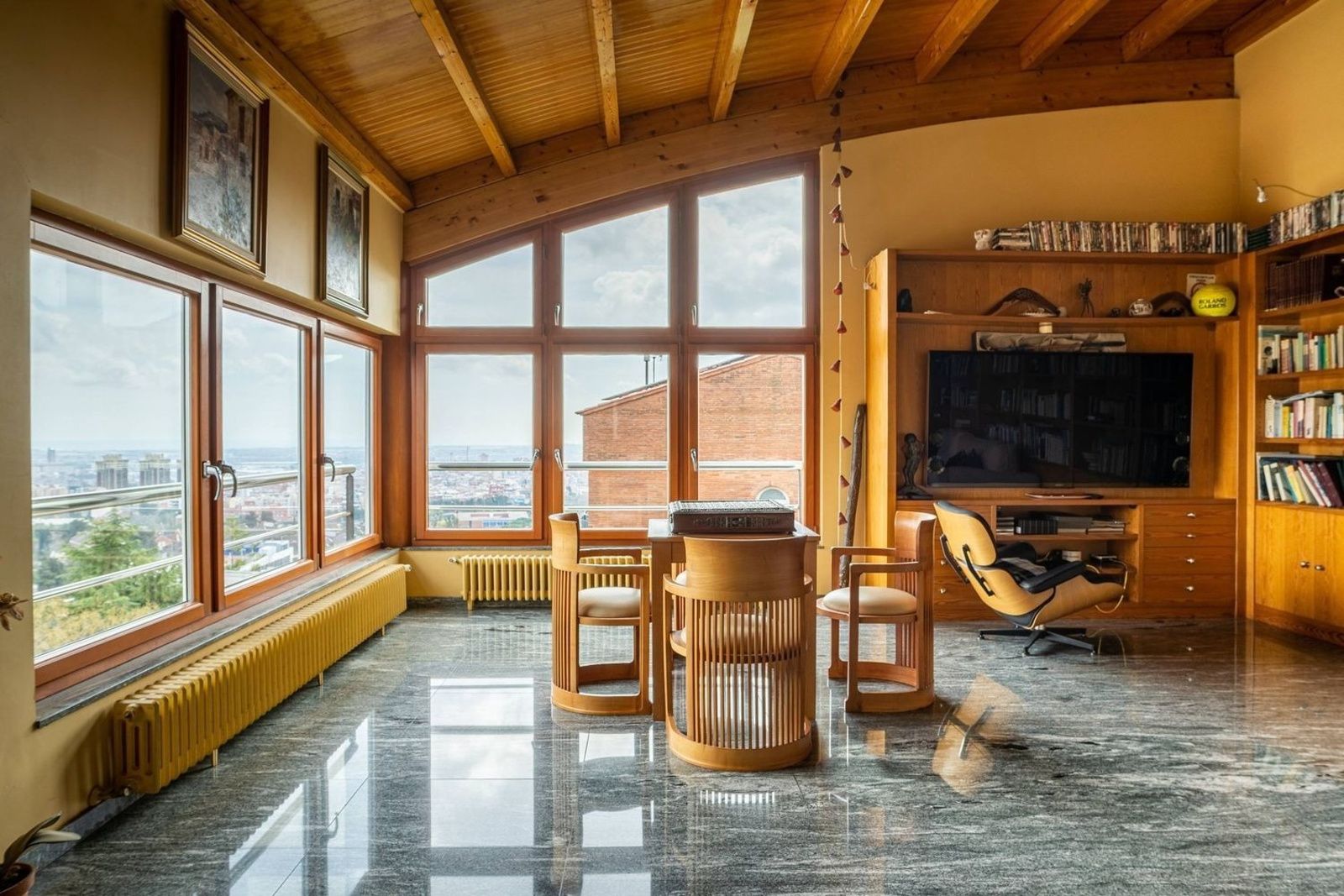
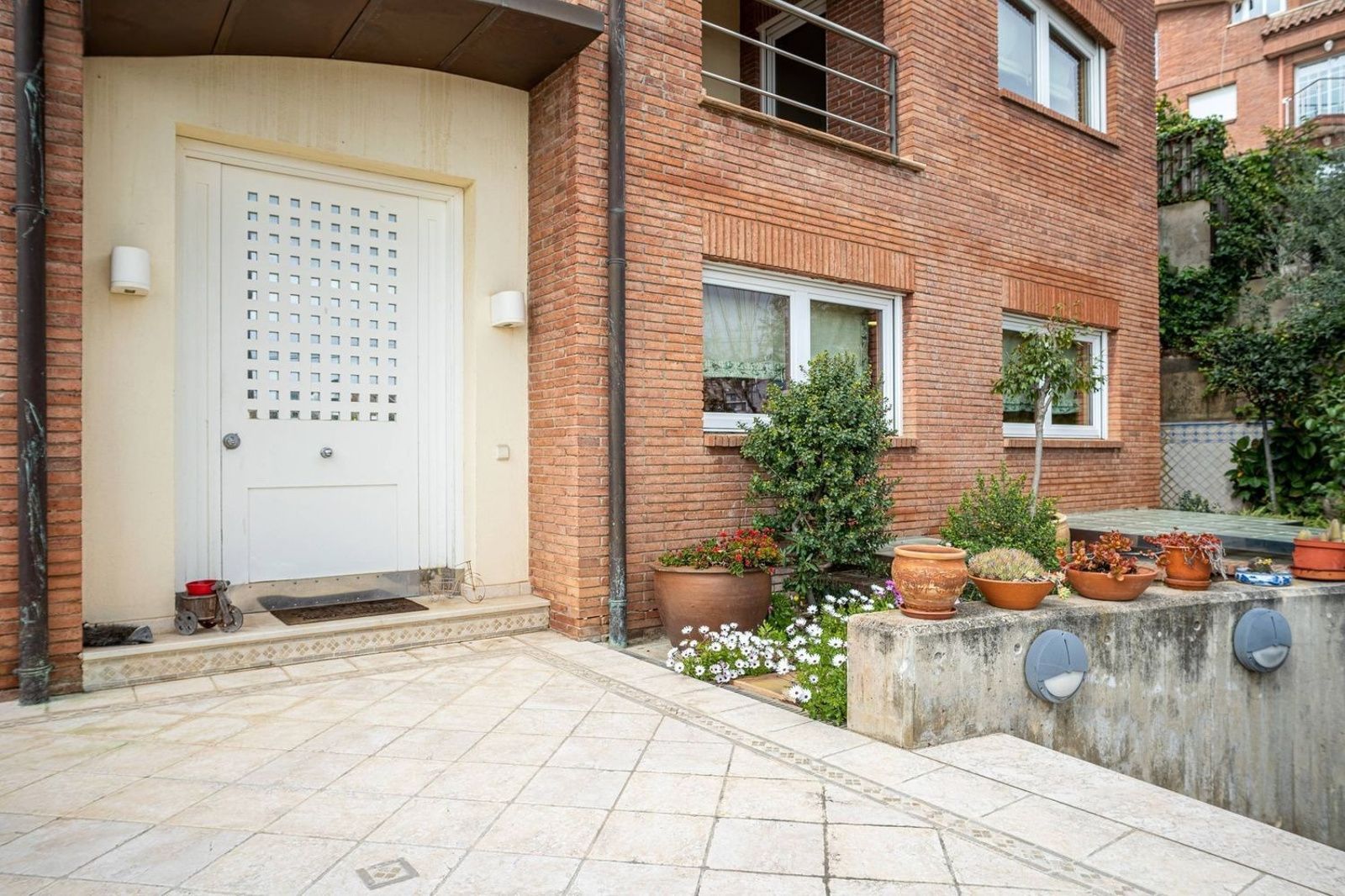
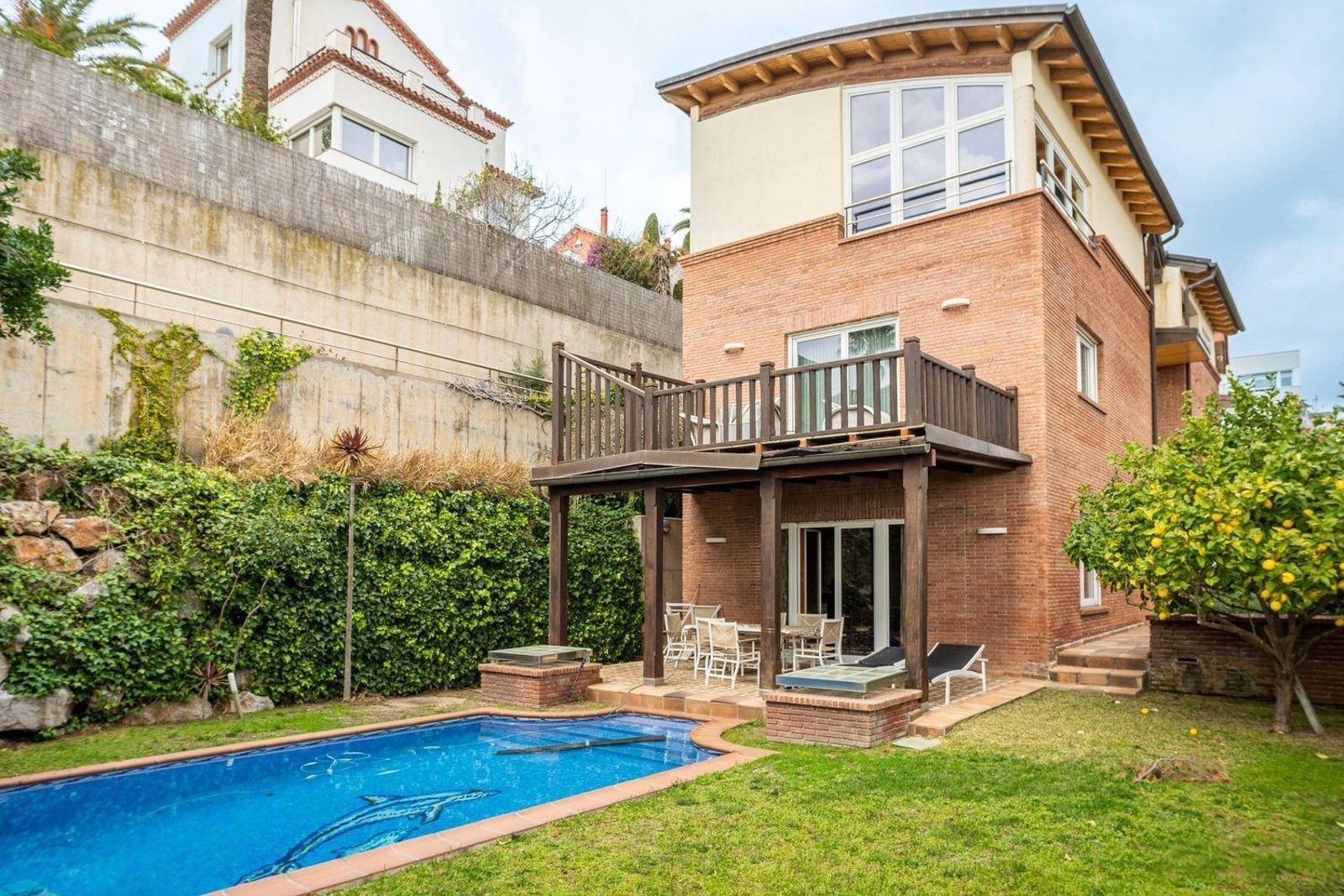
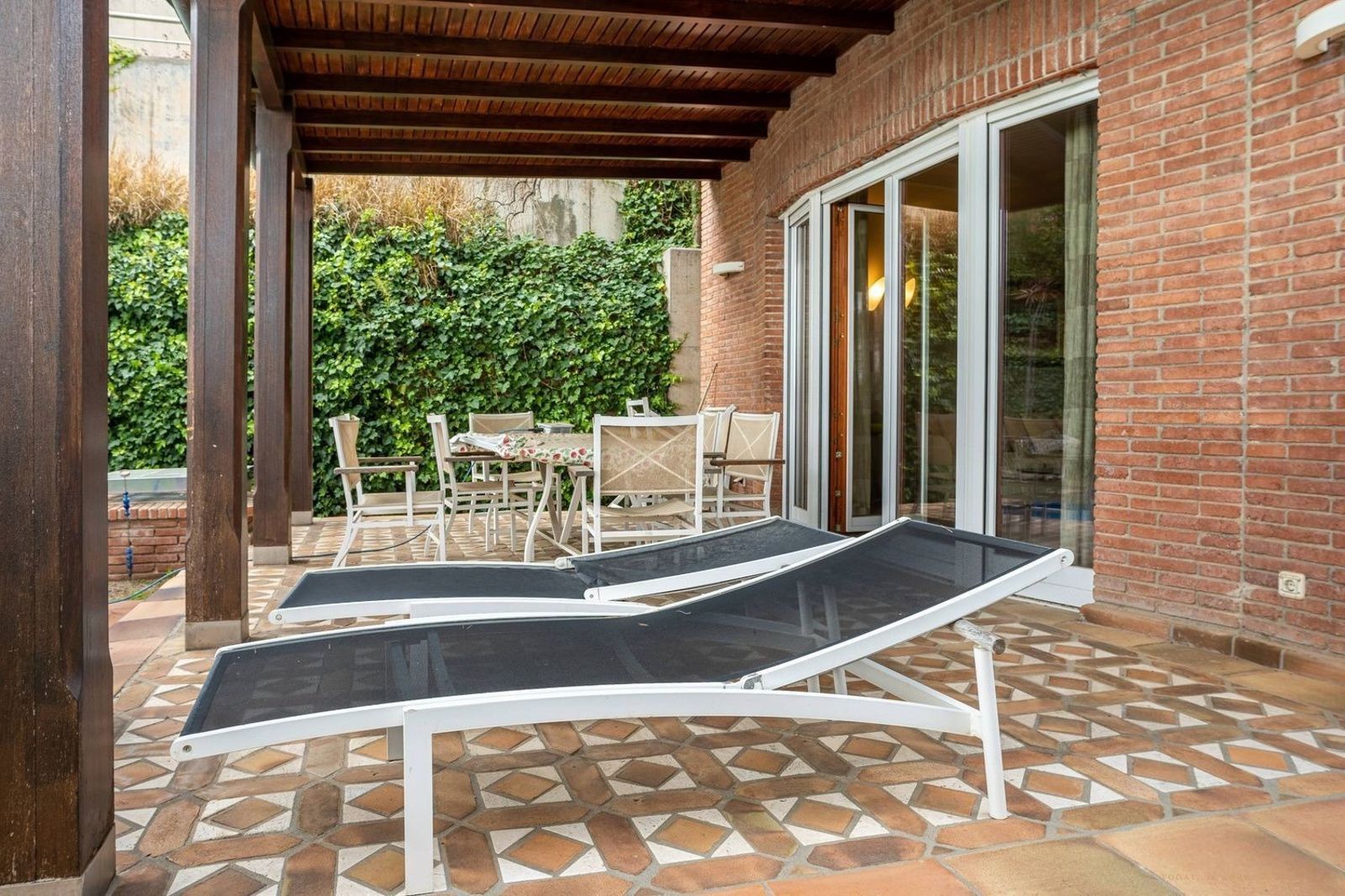
Exclusive Villa with Private Pool in Esplugues de Llobregat, Barcelona
Catalonia, Spain
€ 2 288 000
Houses
ID GG_17545
Bedrooms
6
Rooms
5
Bathrooms
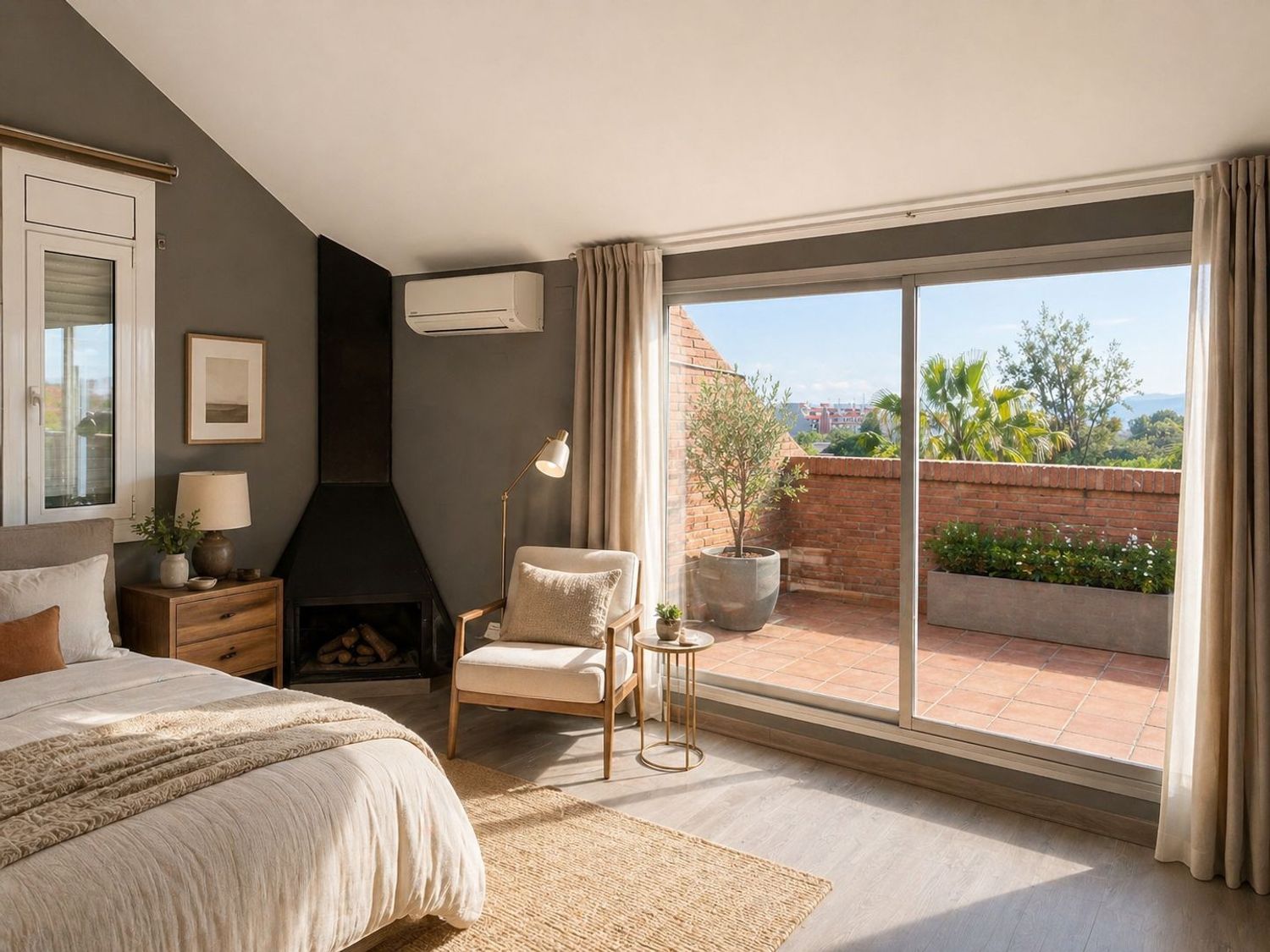
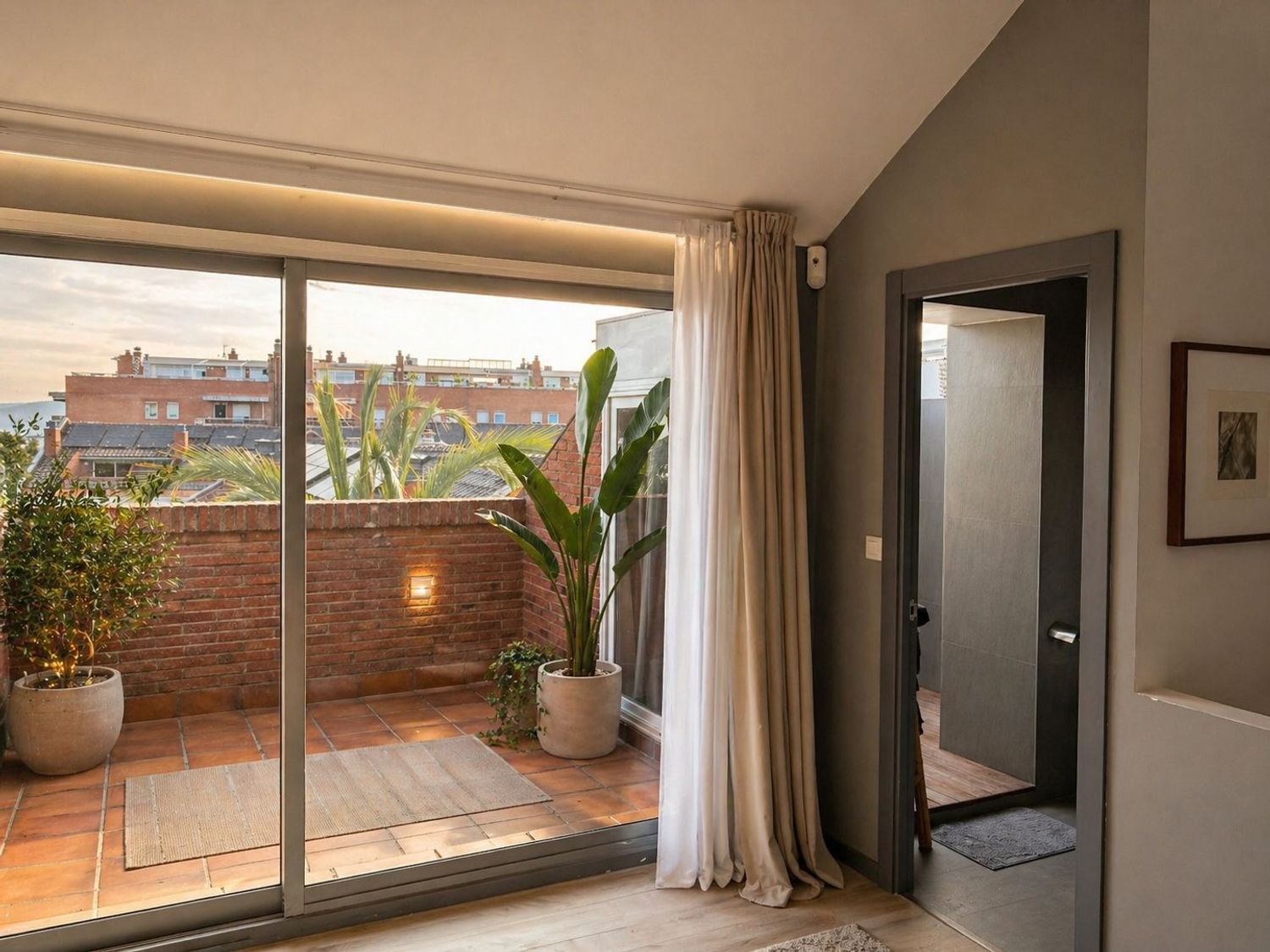
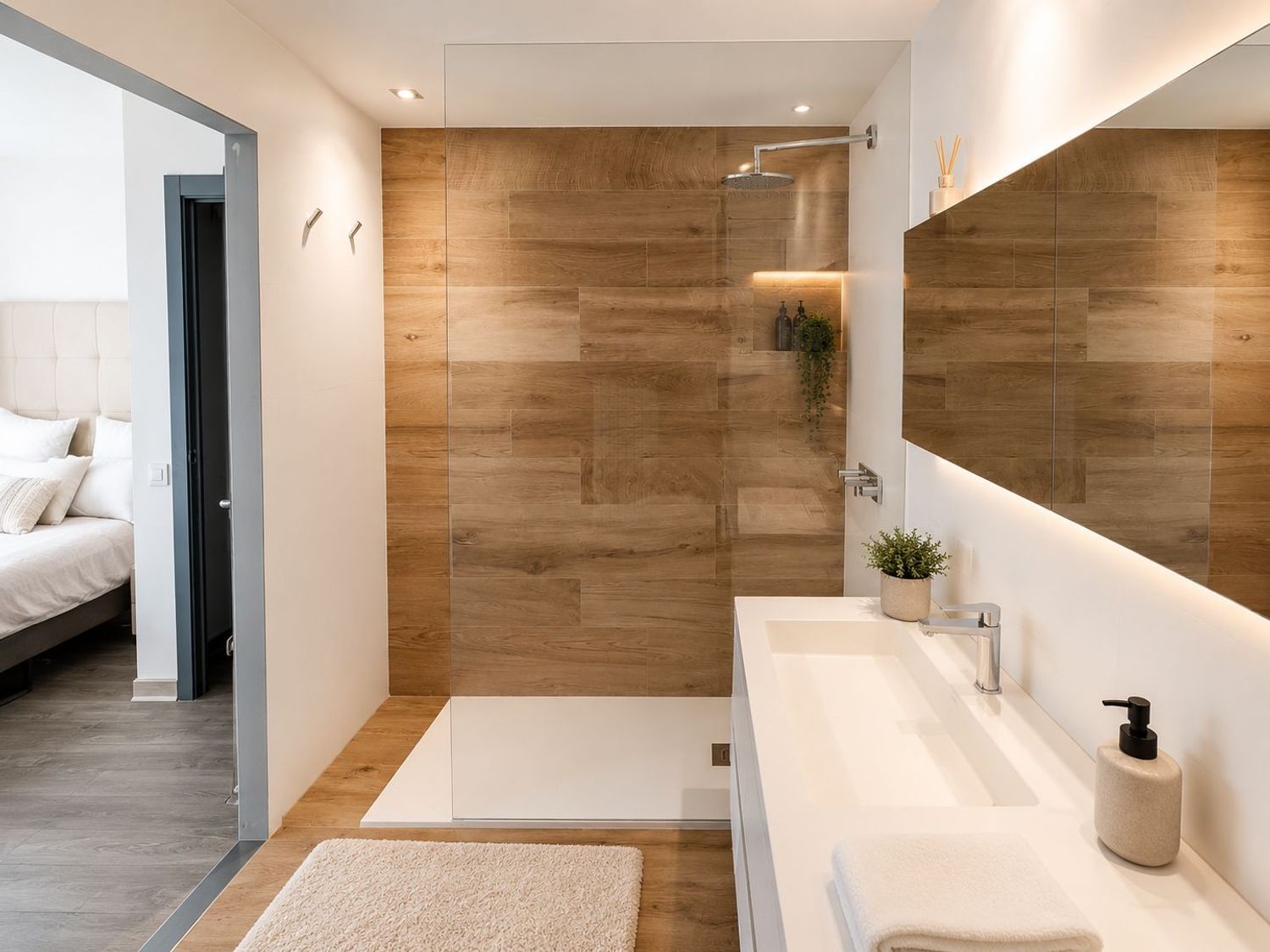
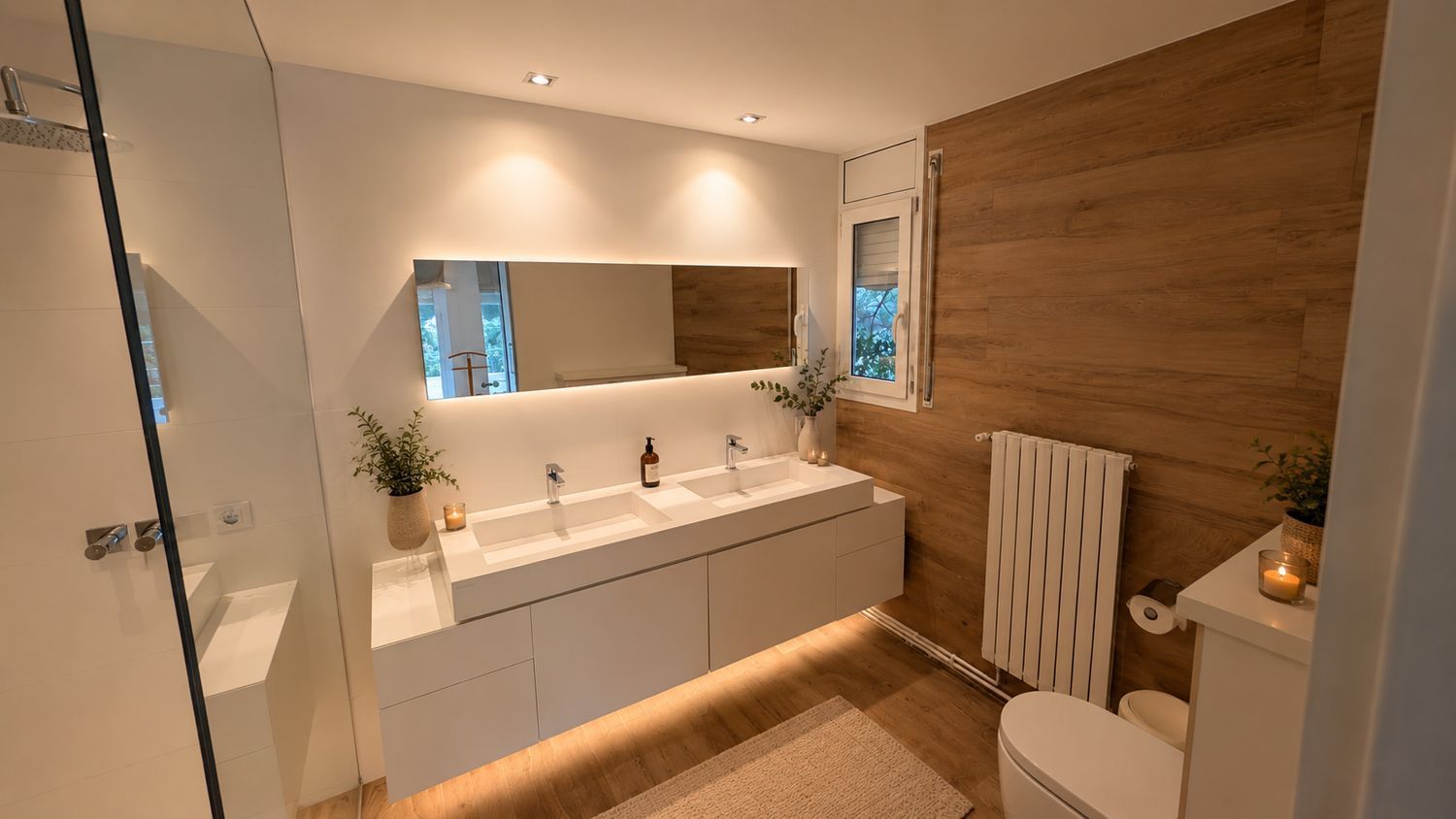
Townhouse in Esplugues de Llobregat, Barcelona
Catalonia, Spain
€ 1 550 000
Houses
ID GG_17535
Bedrooms
6
Rooms
4
Bathrooms
The most hot offers by request
Leave a request and we will collect the best options for you
Send request

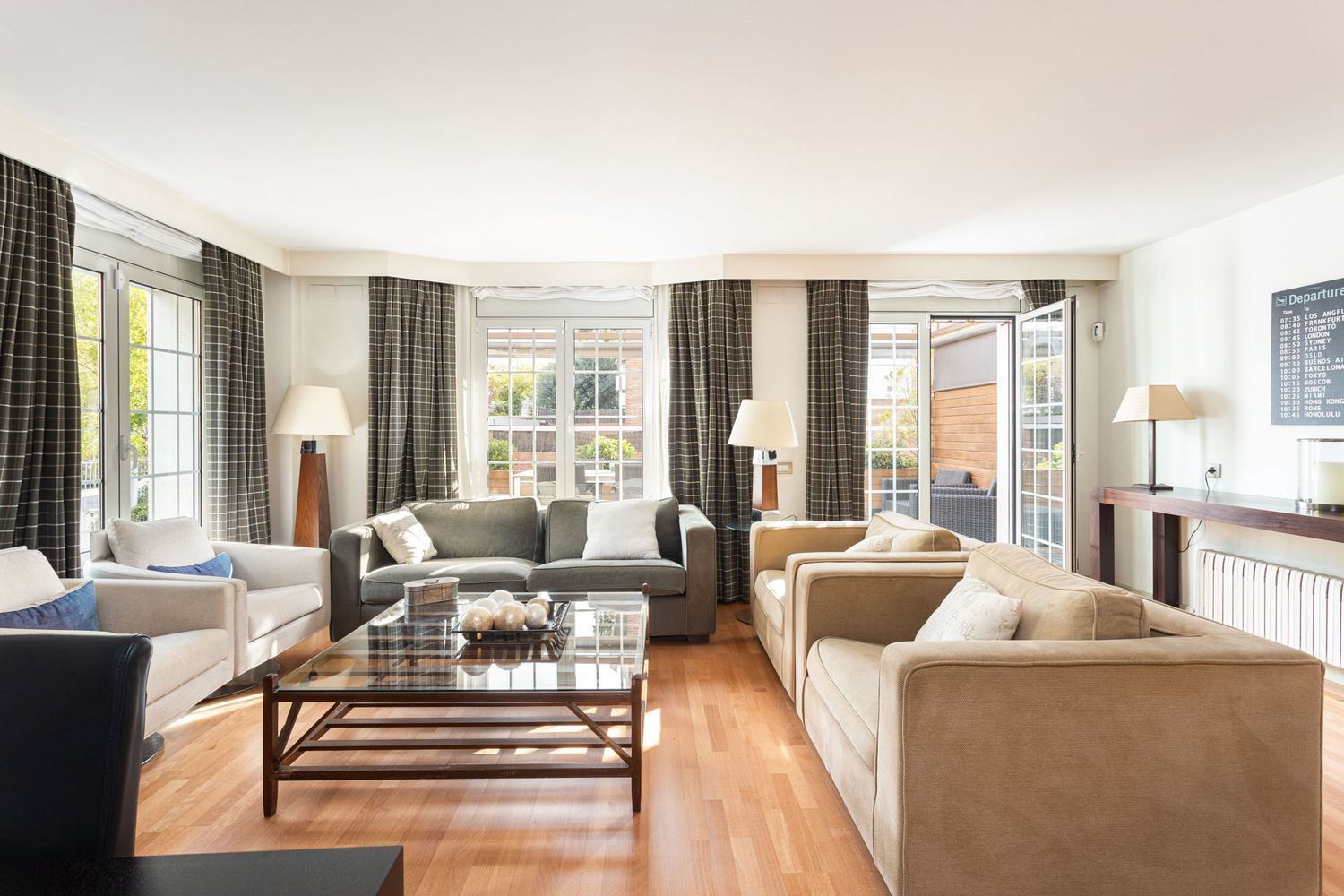
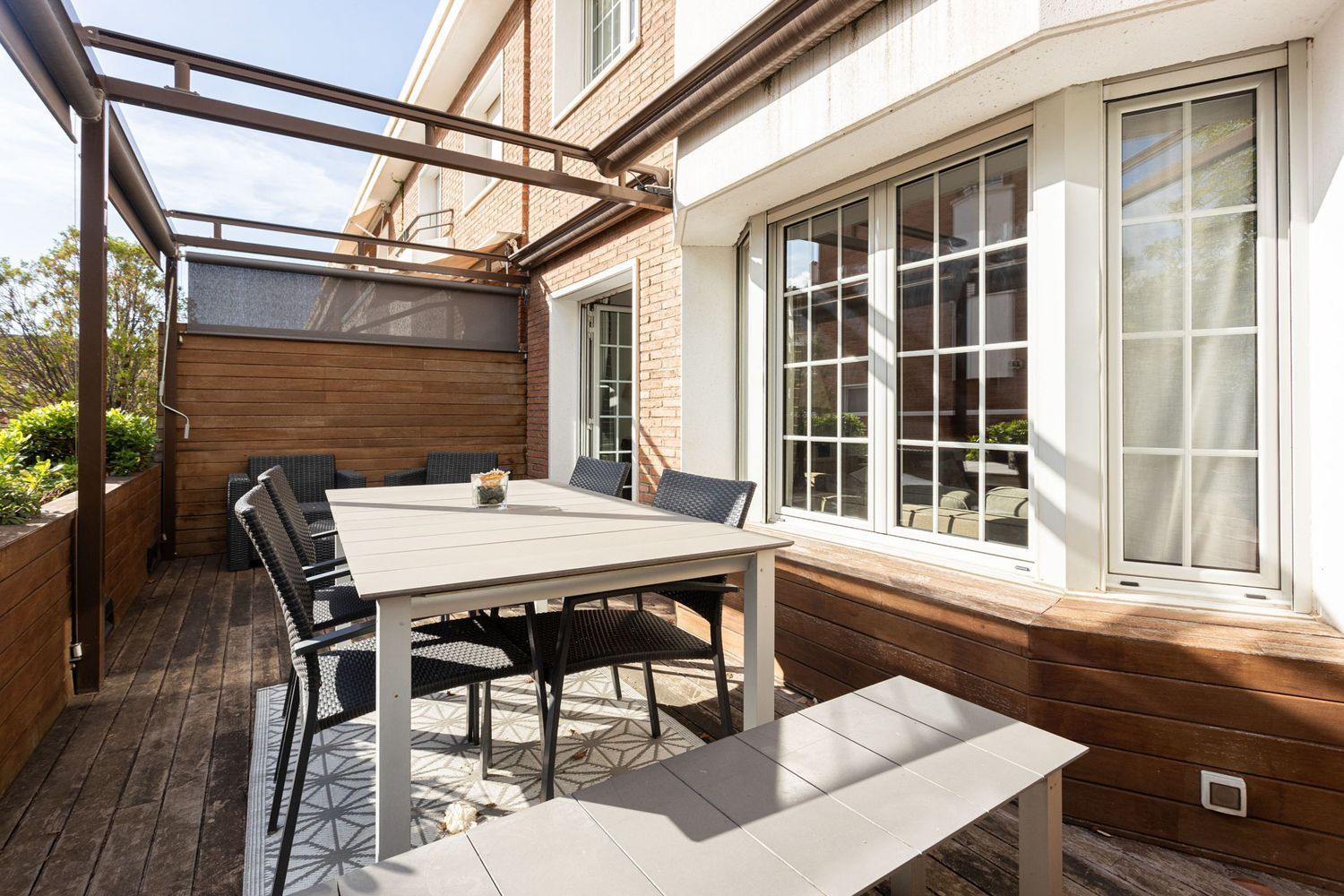
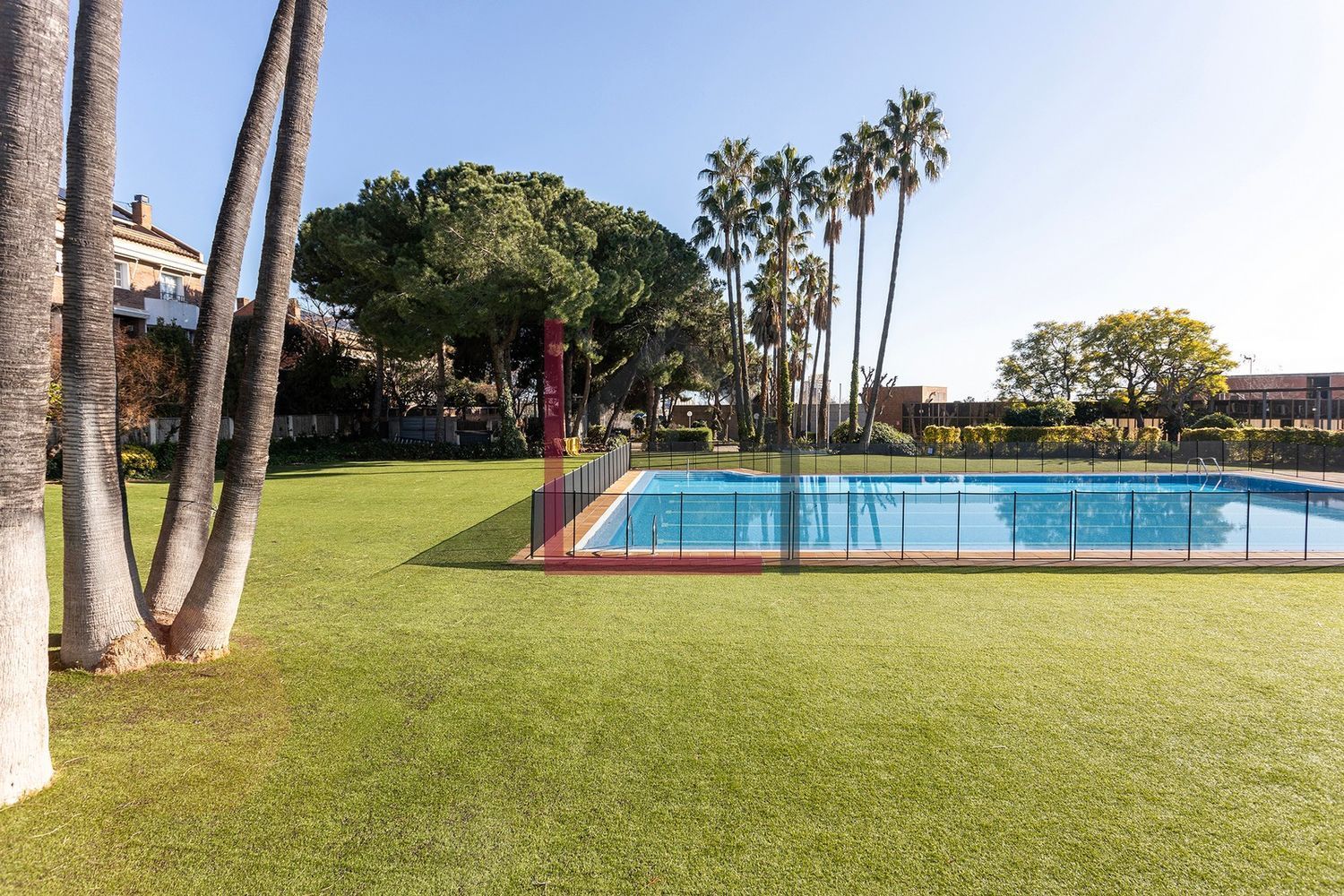
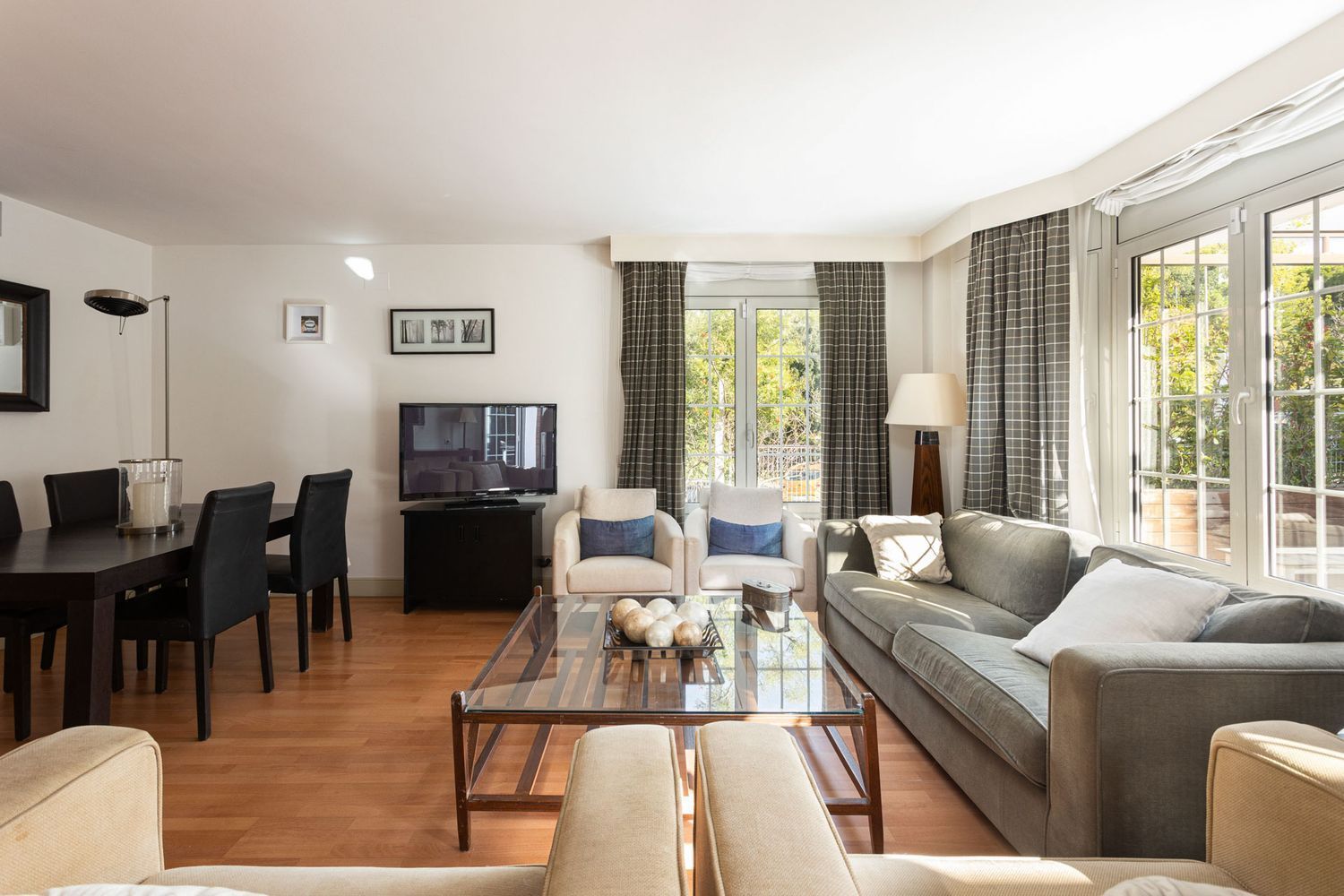
Family Home with 4 Bedrooms in Esplugues de Llobregat, Barcelona
Catalonia, Spain
€ 1 289 000
Houses
ID GG_17524
Bedrooms
5
Rooms
5
Bathrooms
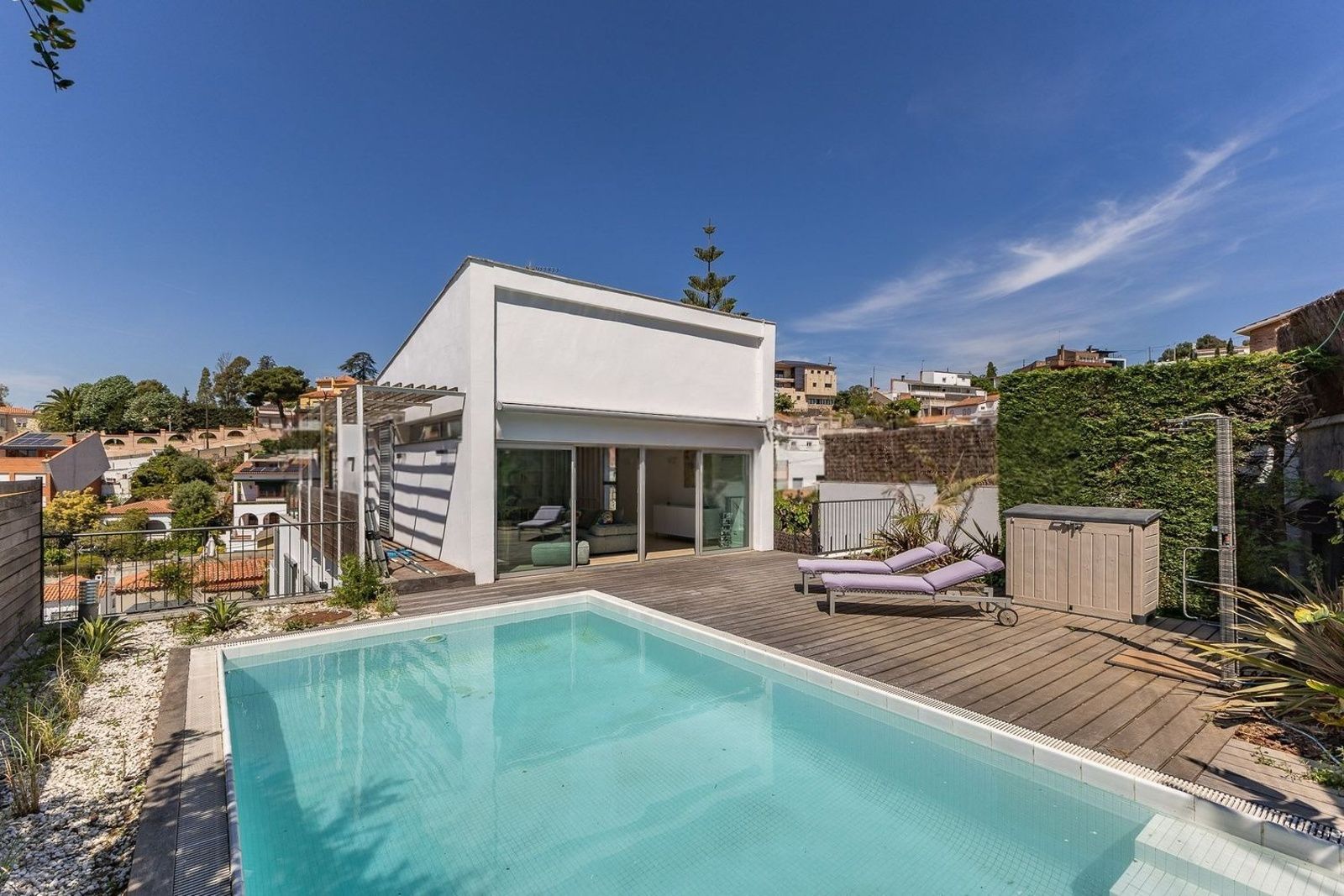
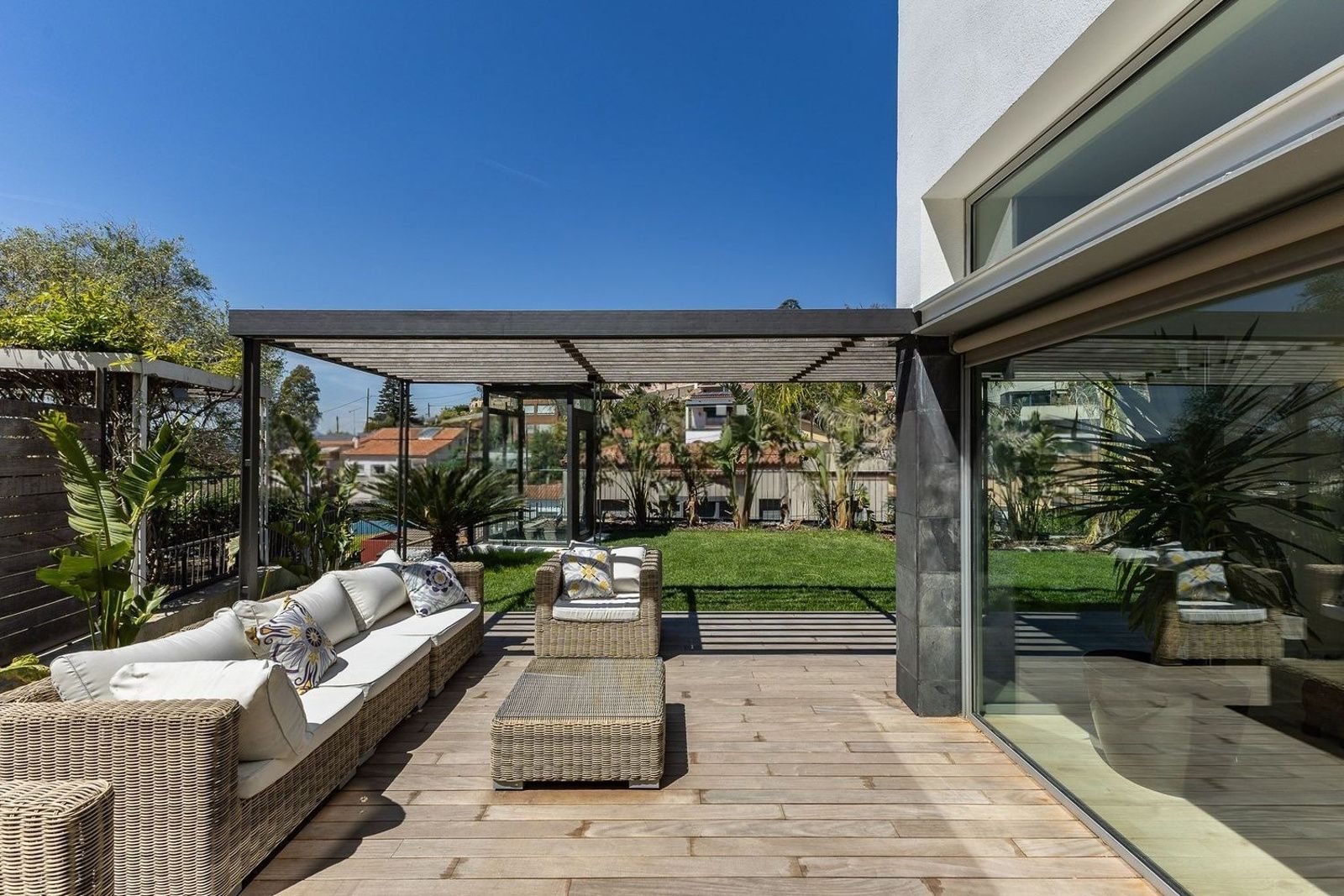
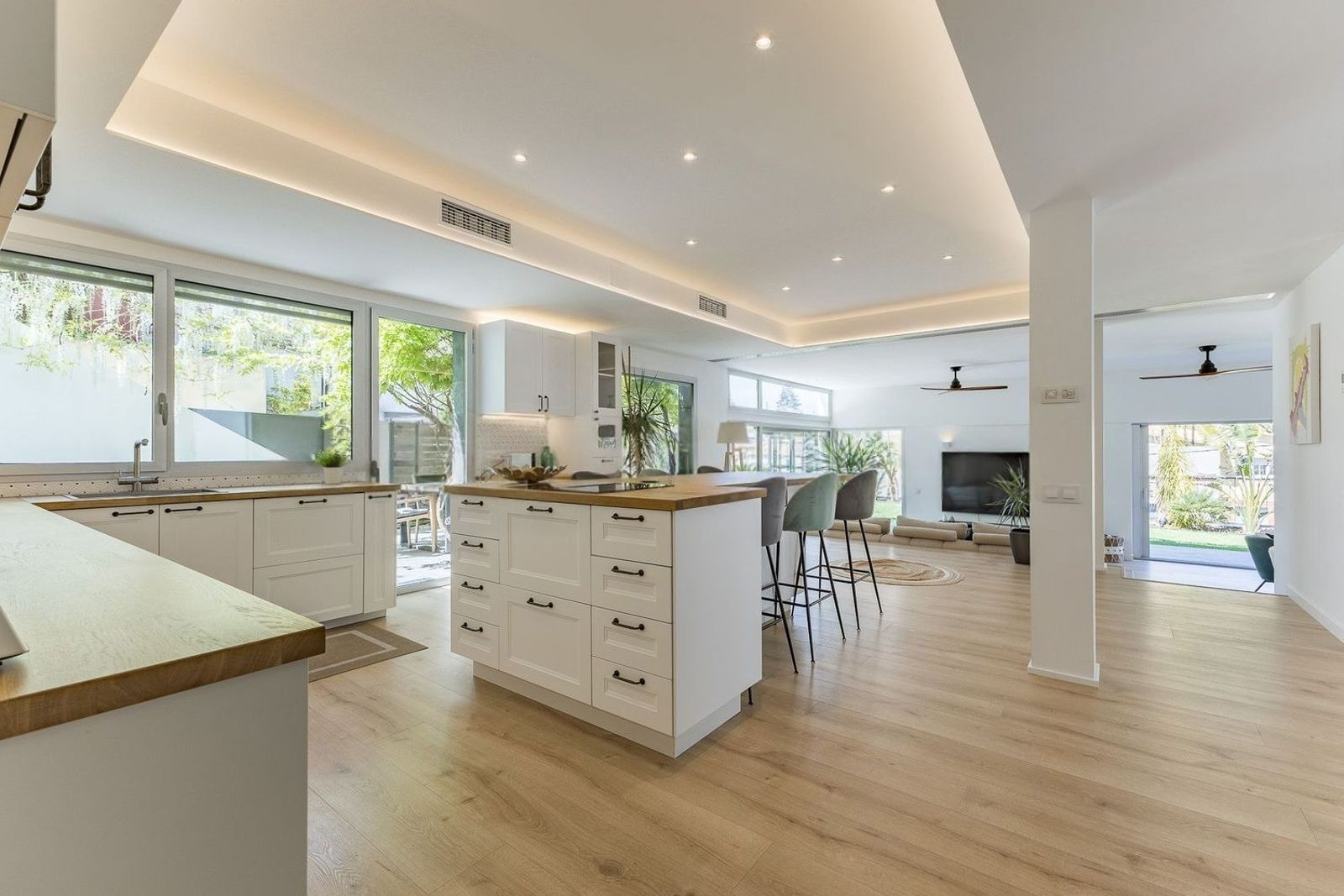
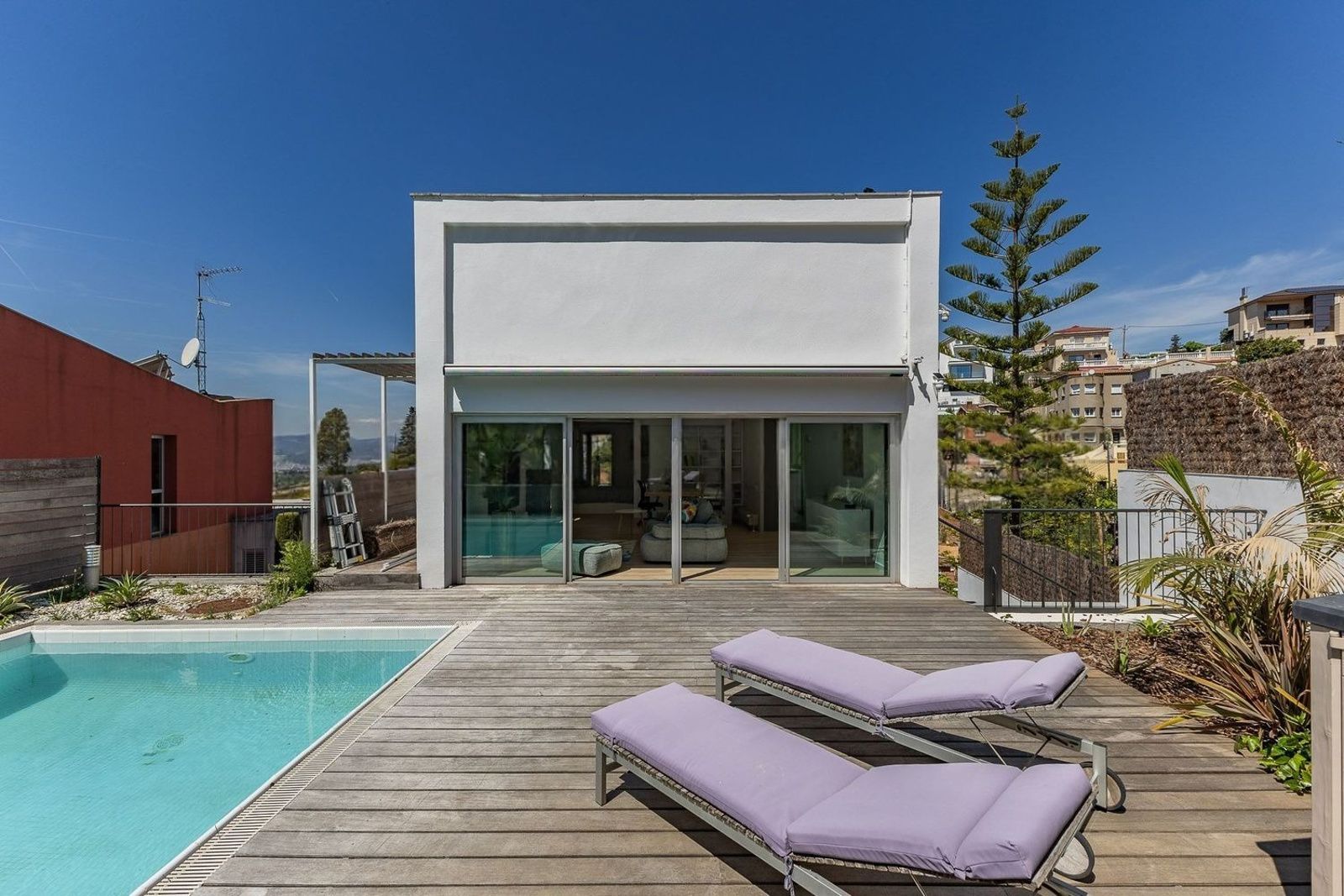
Renovated Contemporary Home with Private Pool in Esplugues de Llobregat, Barcelona
Catalonia, Spain
€ 2 250 000
Houses
ID GG_17435
Bedrooms
6
Rooms
4
Bathrooms
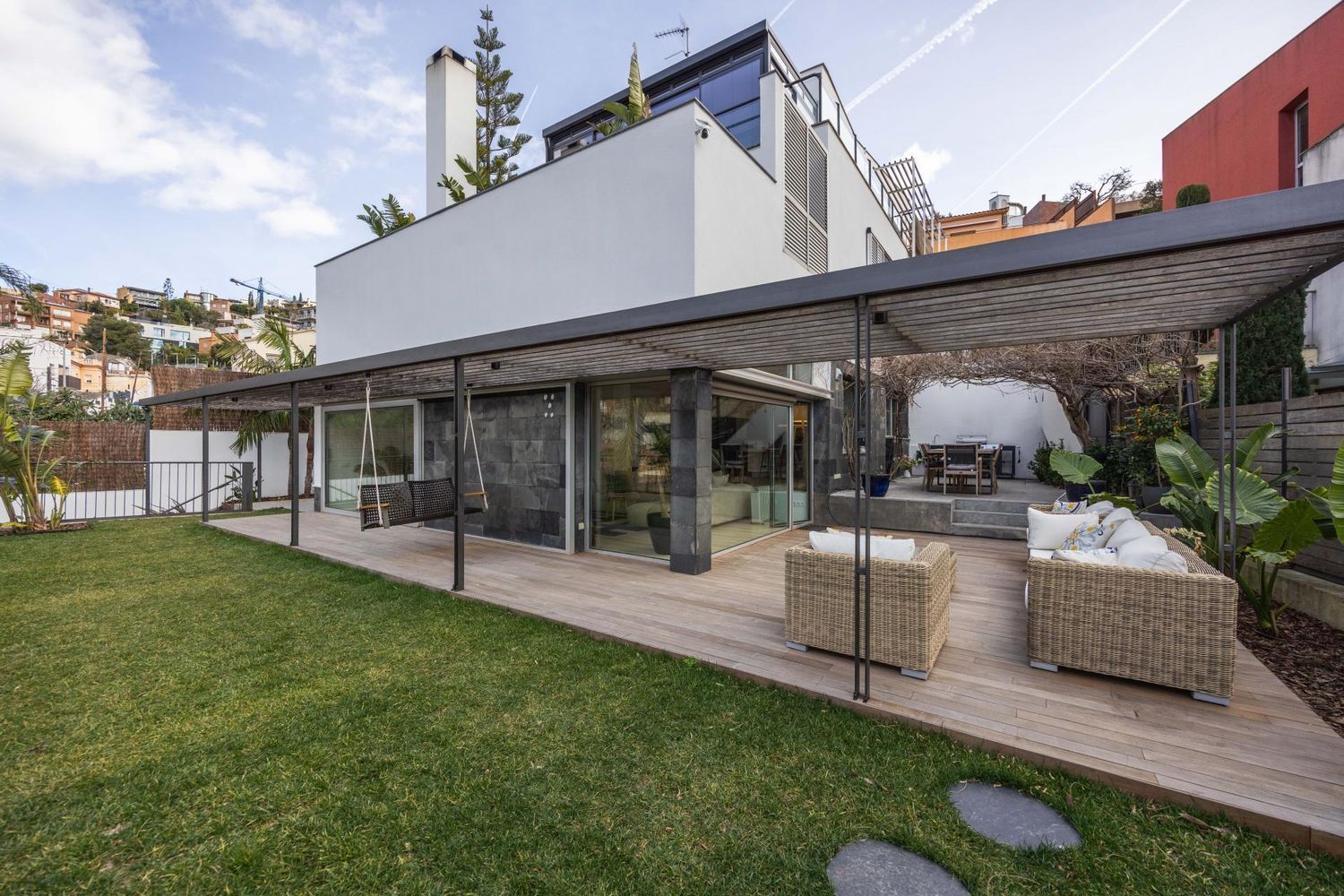
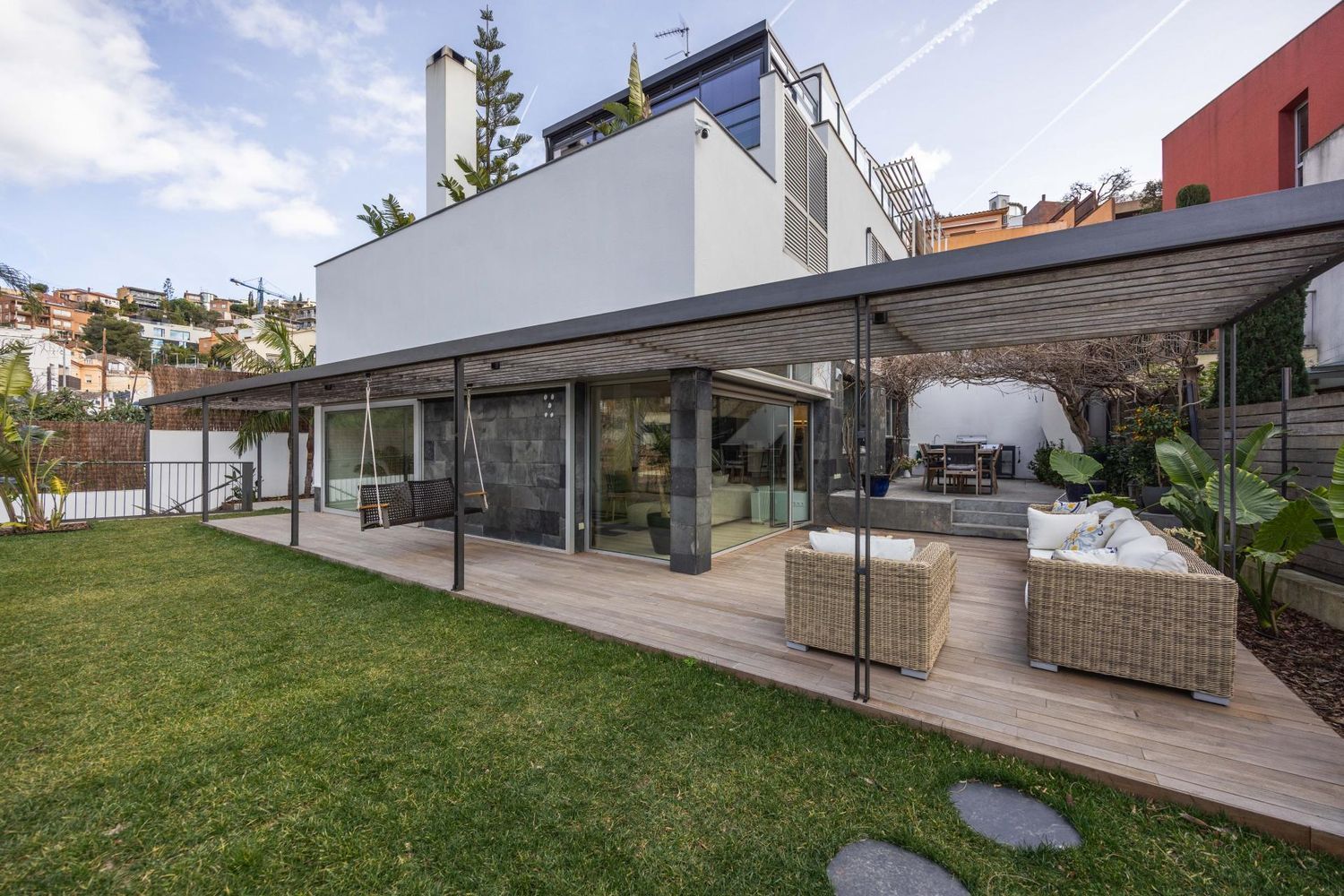
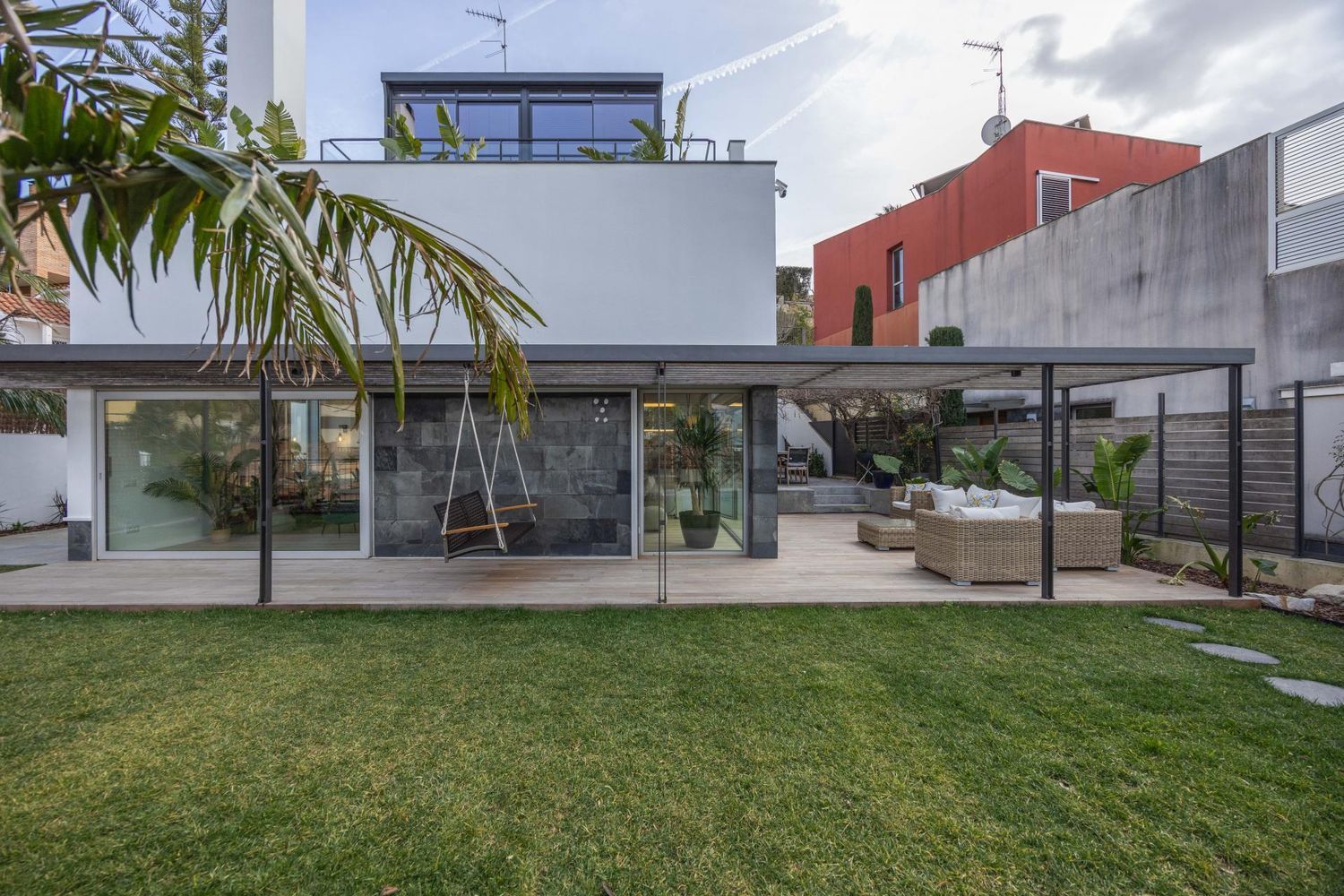
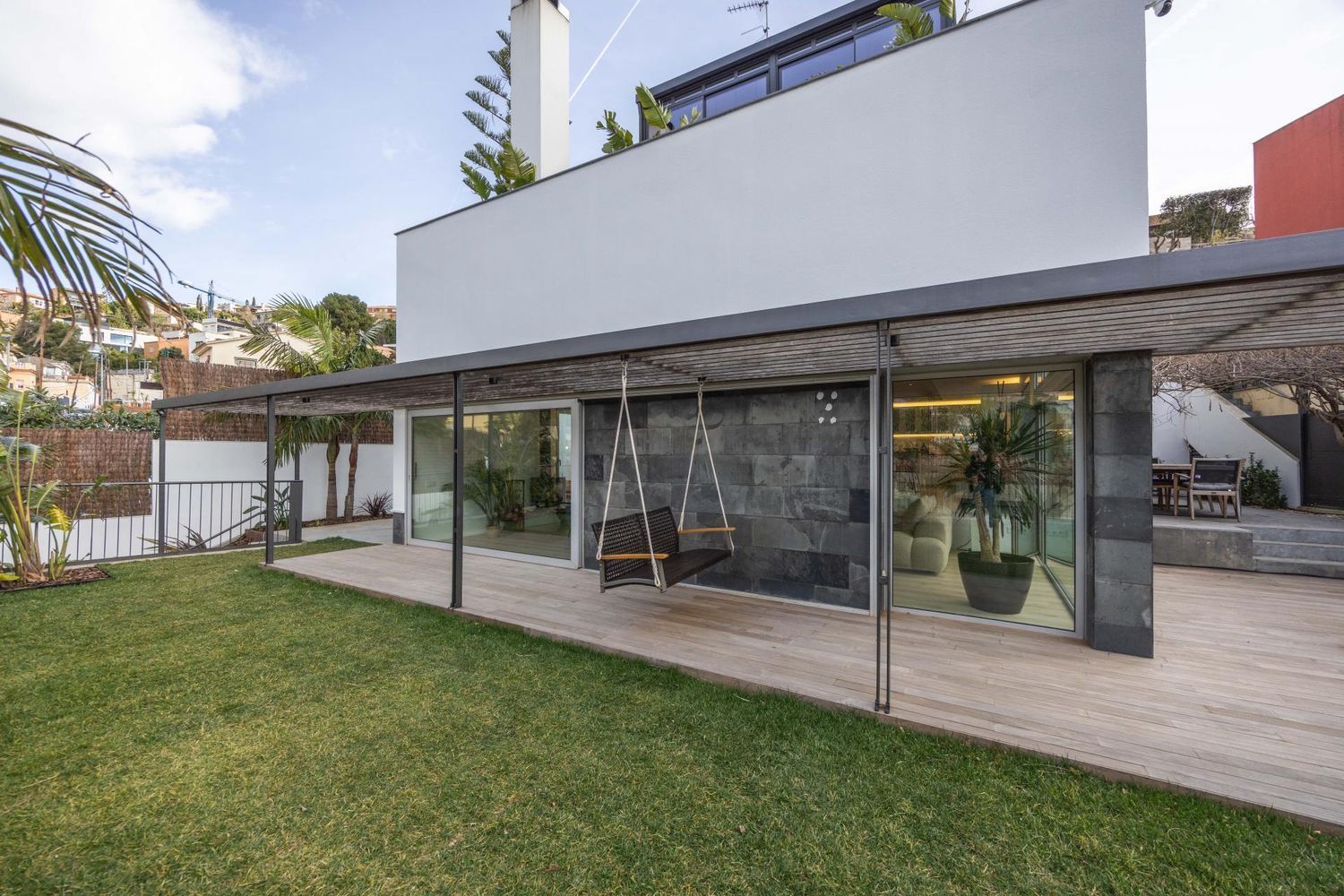
Contemporary Designer Villa with Private Pool in Esplugues de Llobregat, Barcelona
Catalonia, Spain
€ 2 350 000
Houses
ID GG_17424
Bedrooms
5
Rooms
4
Bathrooms
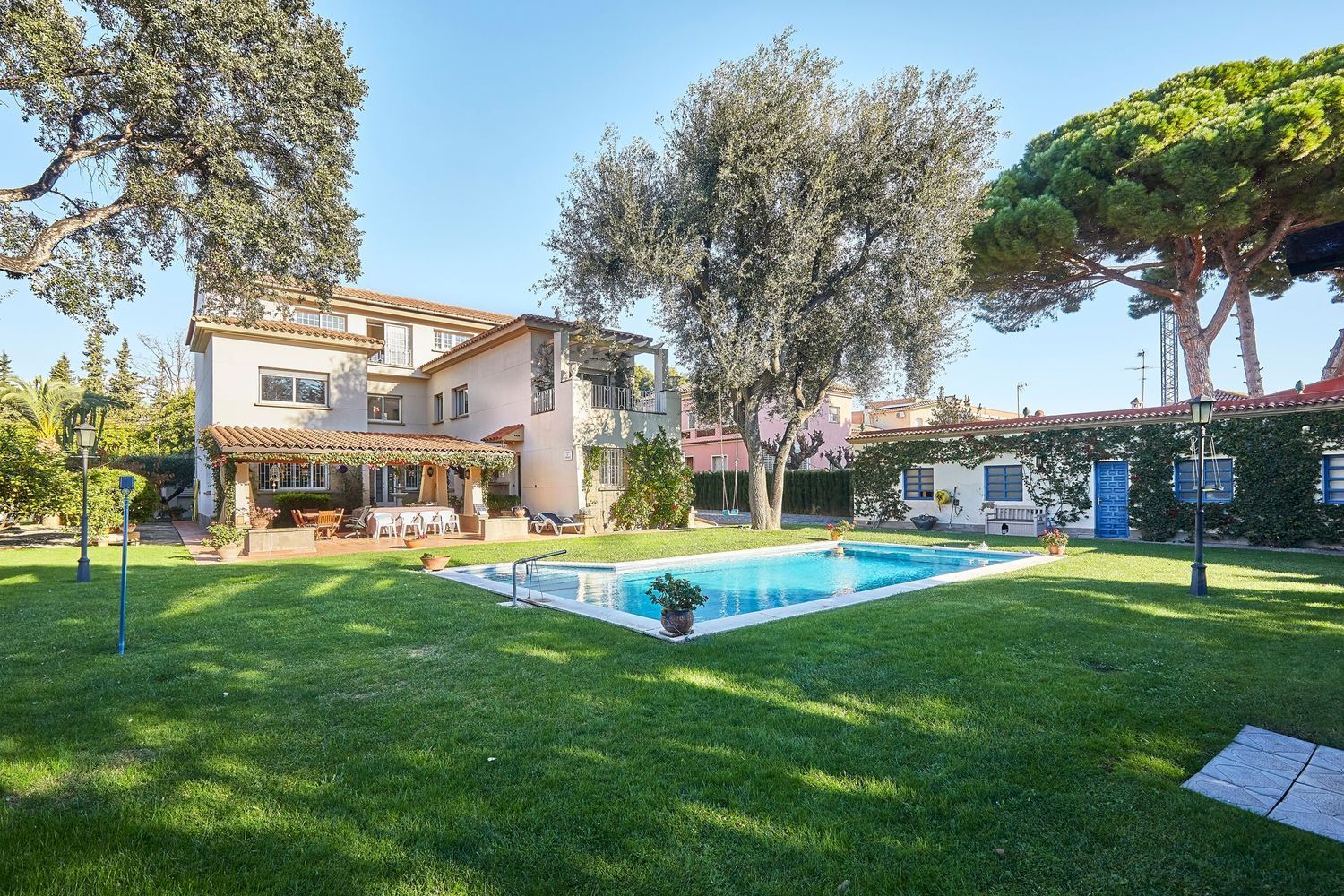
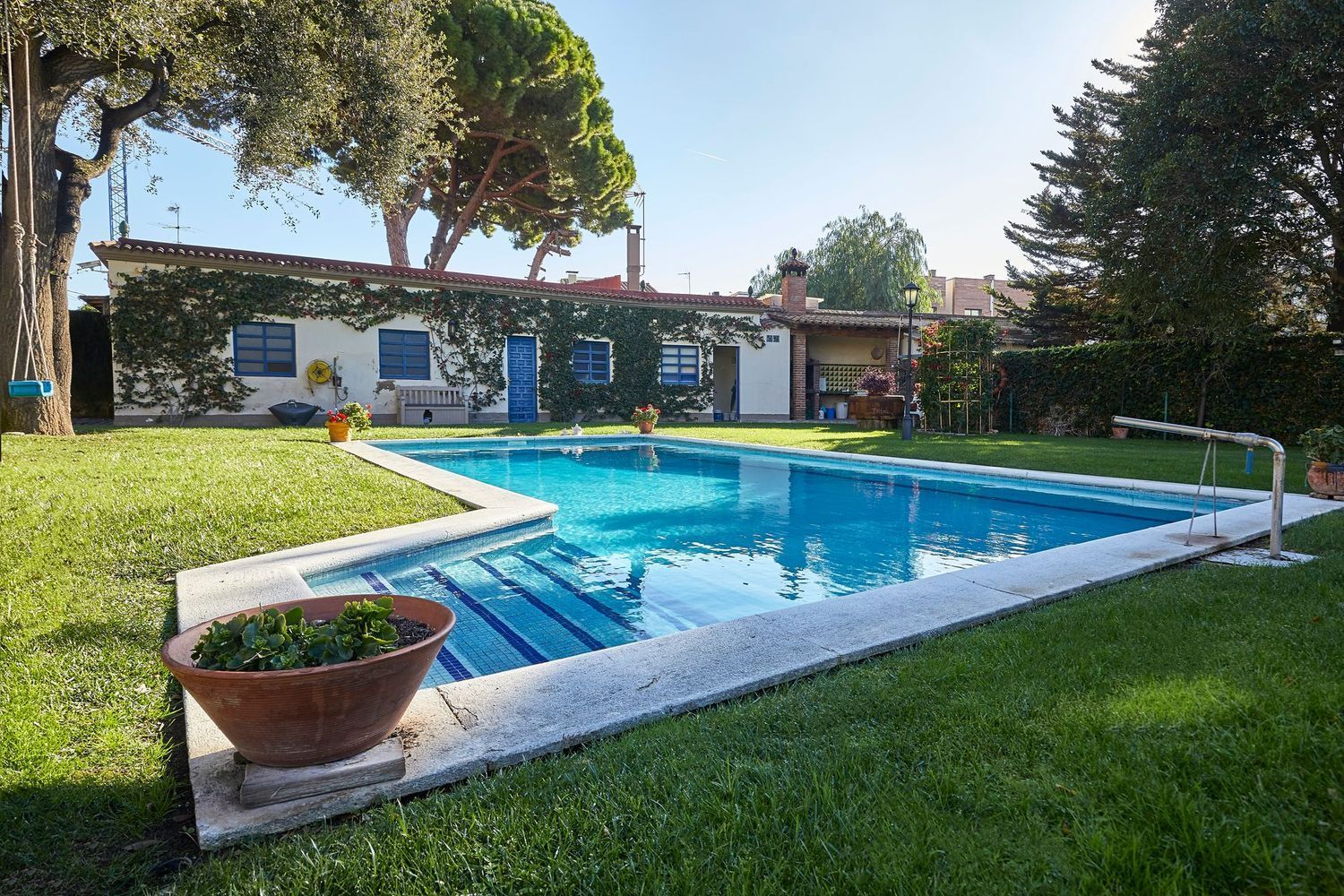
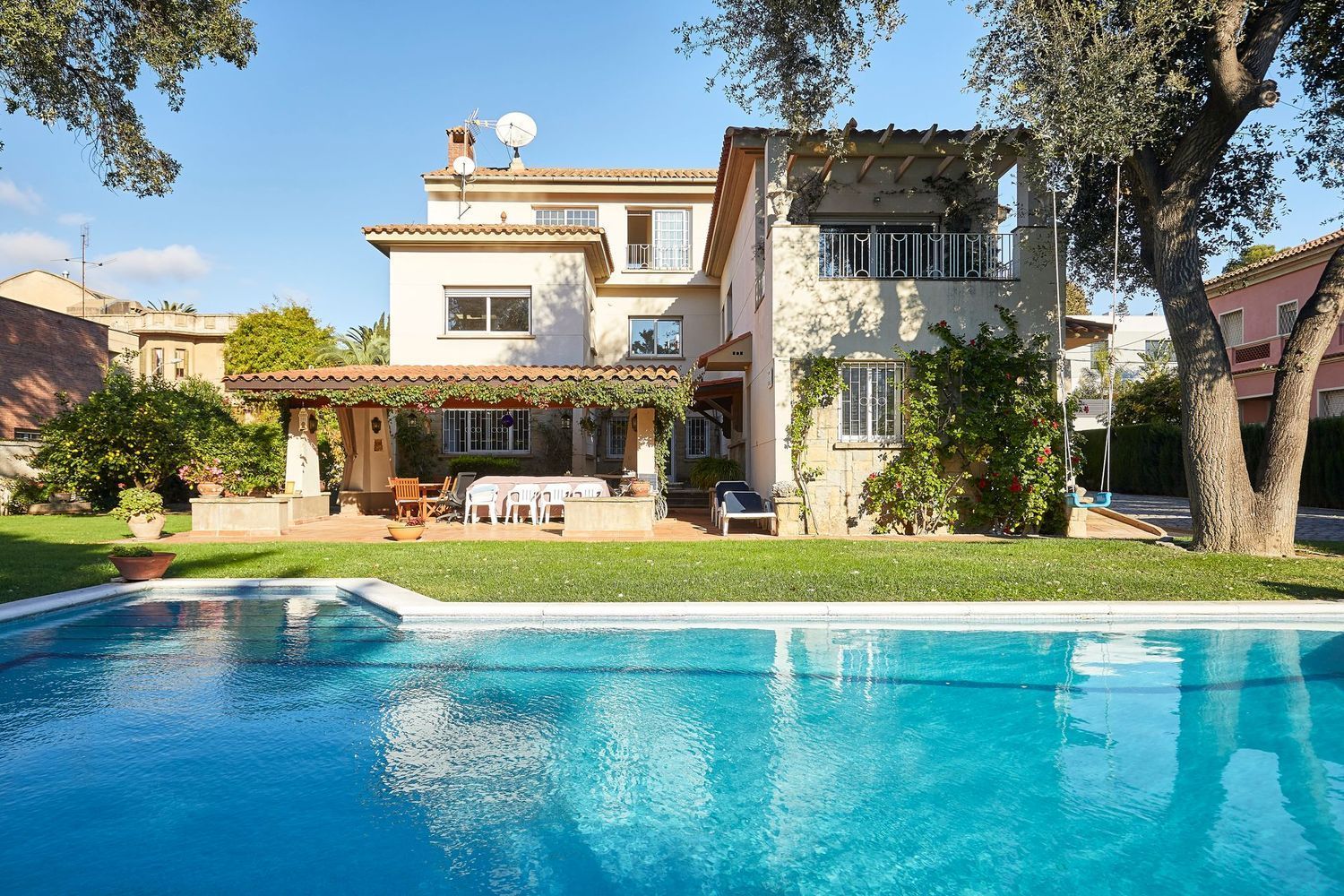
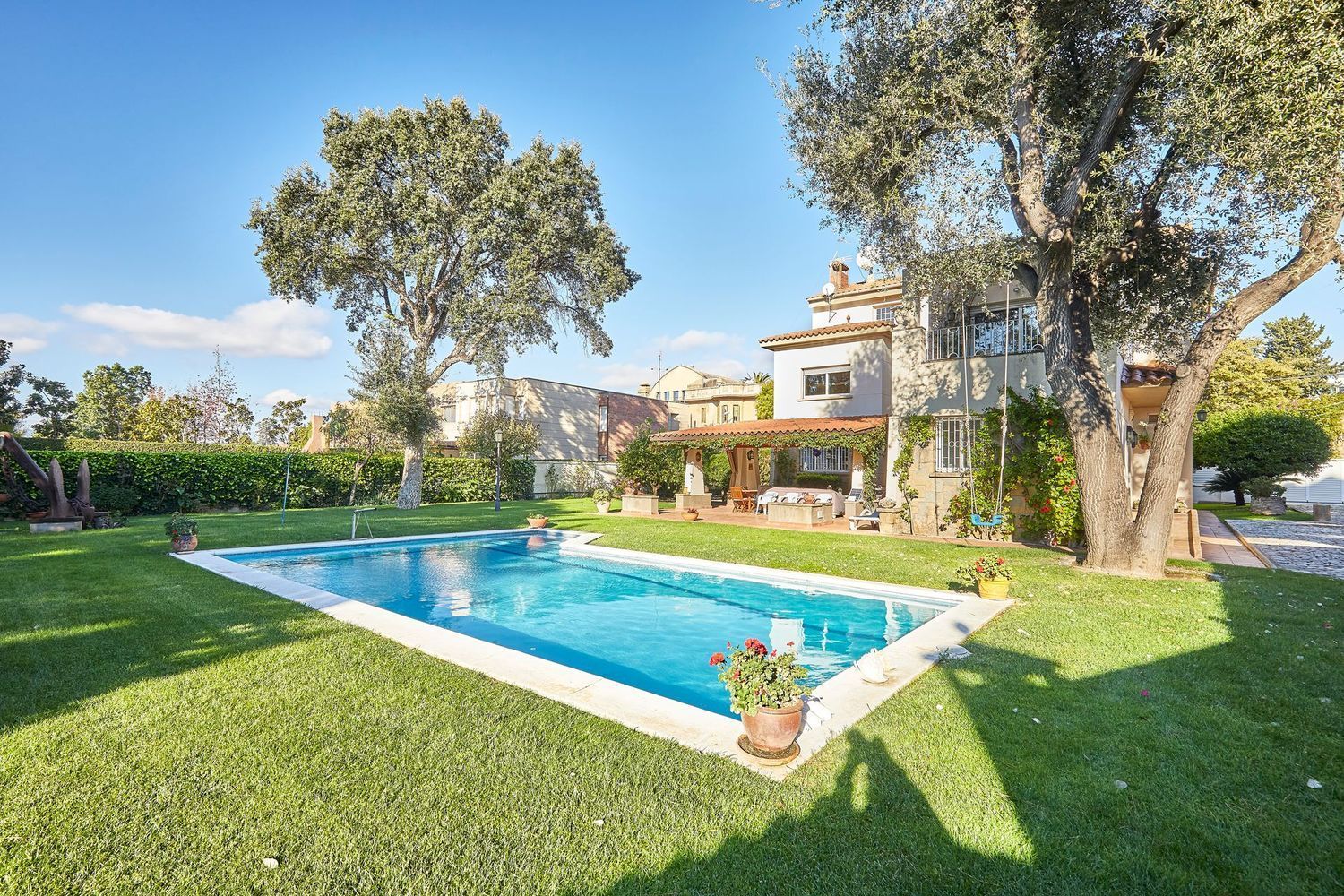
Spacious Family Home on a Large Flat Plot in Sant Just Desvern, Barcelona
Catalonia, Spain
€ 2 800 000
Houses
ID GG_17416
Bedrooms
7
Rooms
4
Bathrooms
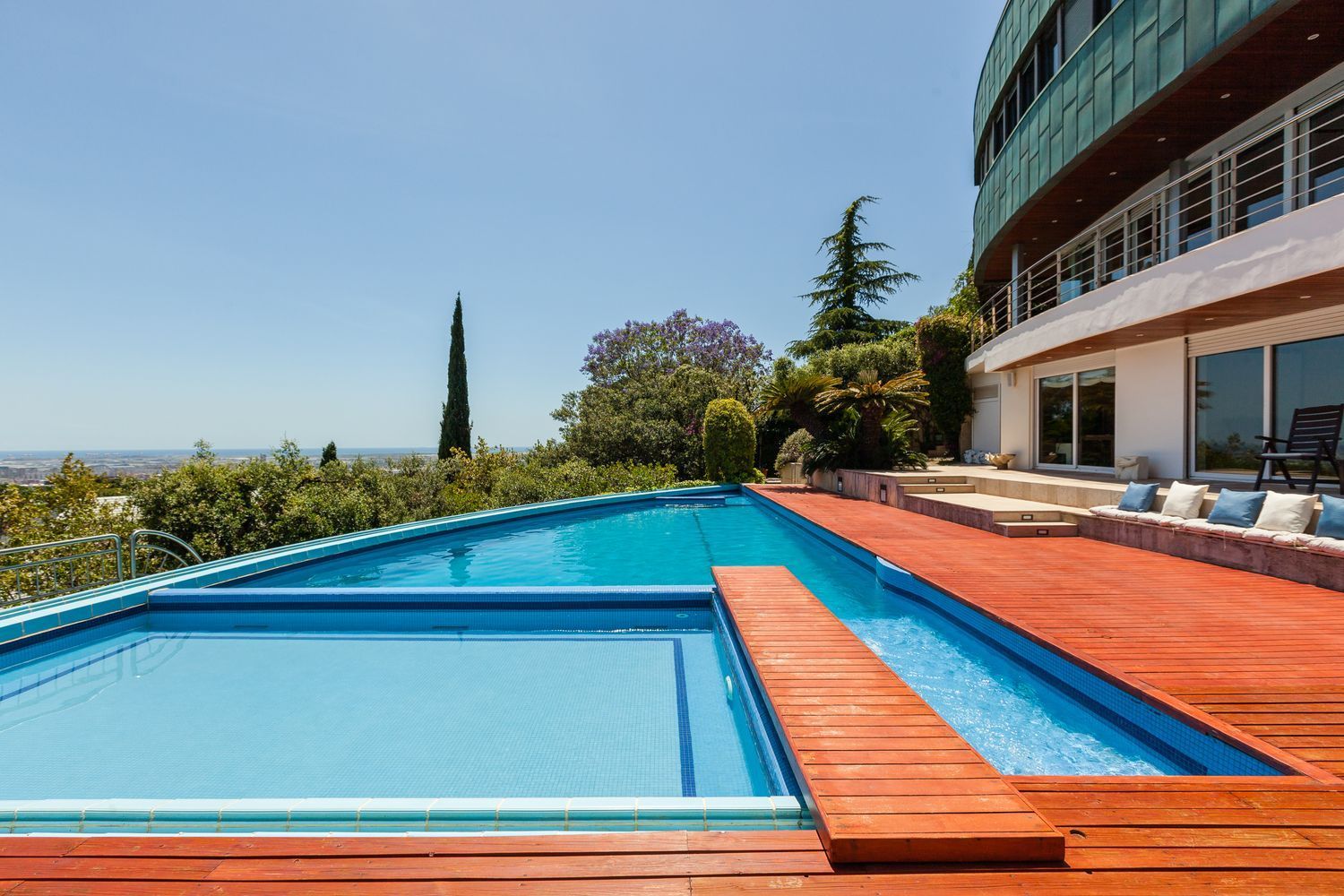
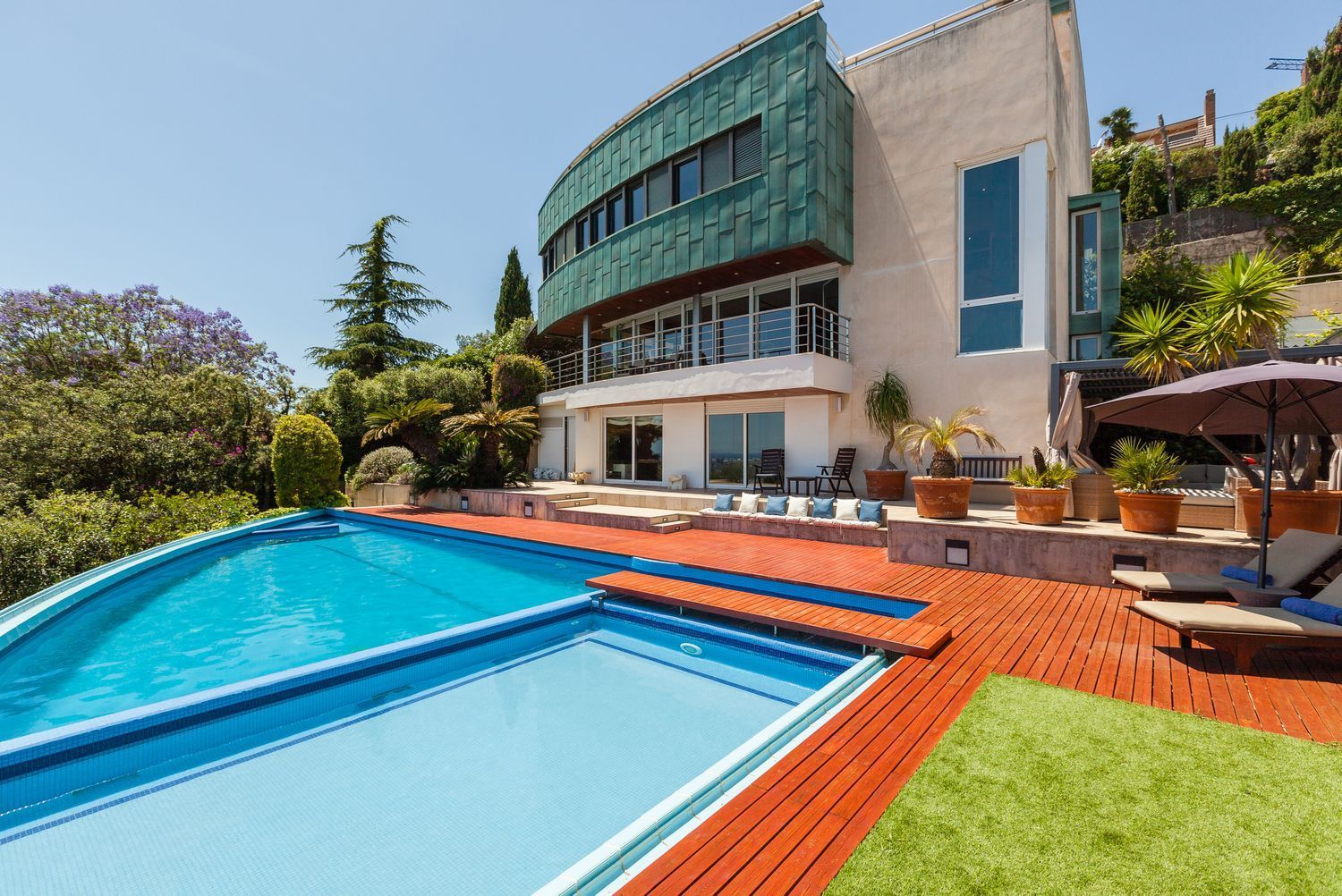
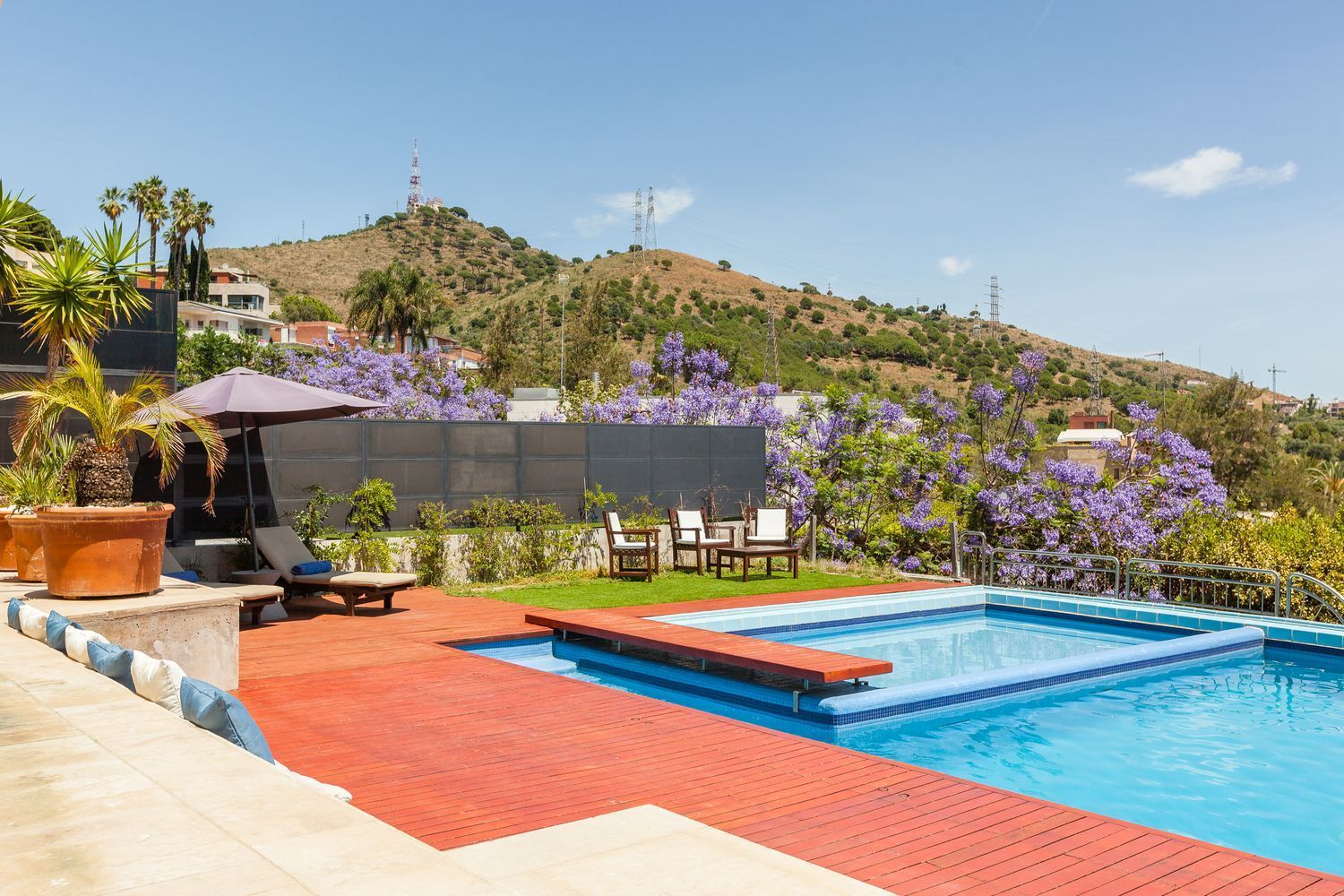
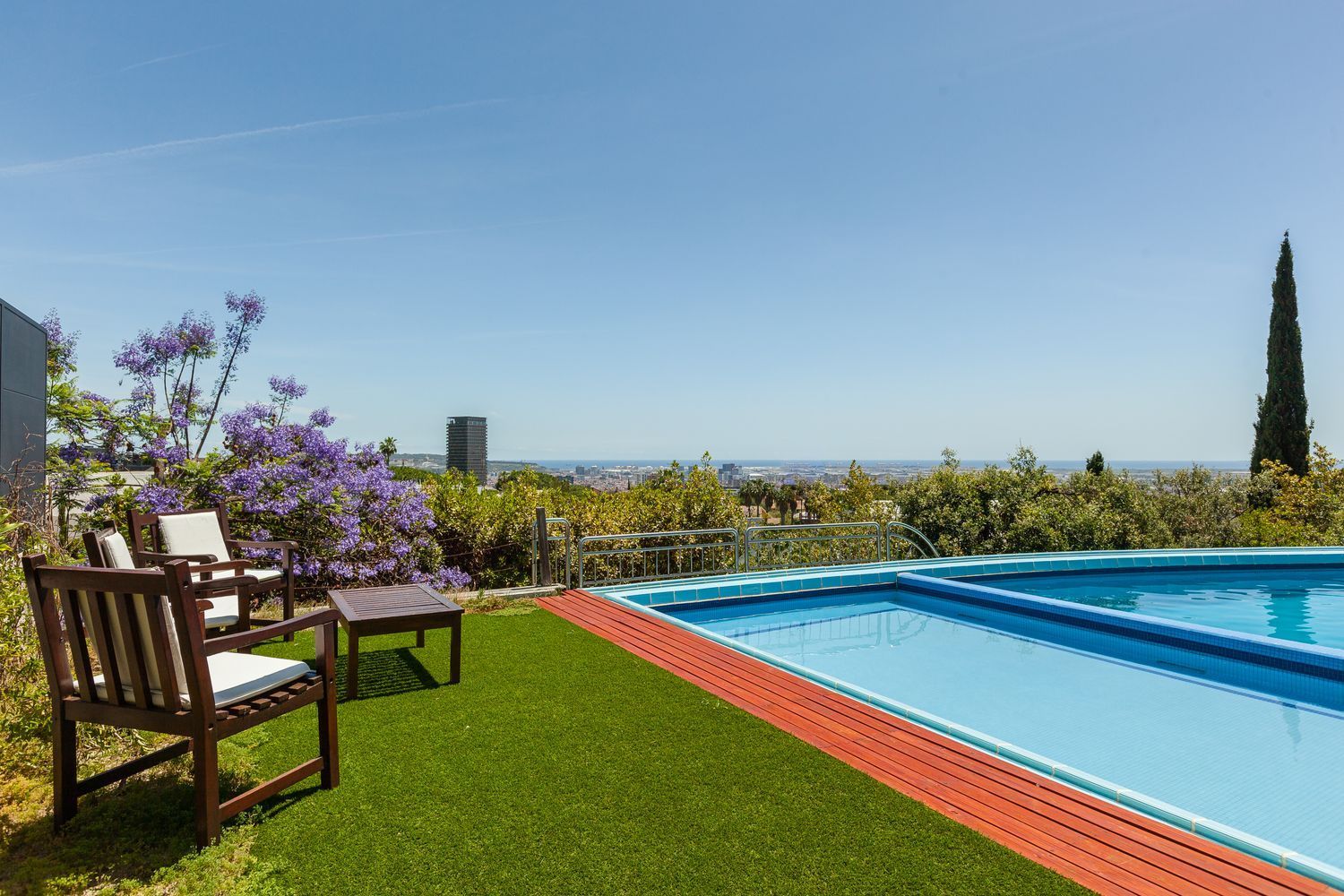
Contemporary Designer Villa with Indoor and Outdoor Pools in Esplugues de Llobregat, Barcelona
Catalonia, Spain
€ 2 950 000
Houses
ID GG_17407
Bedrooms
8
Rooms
6
Bathrooms
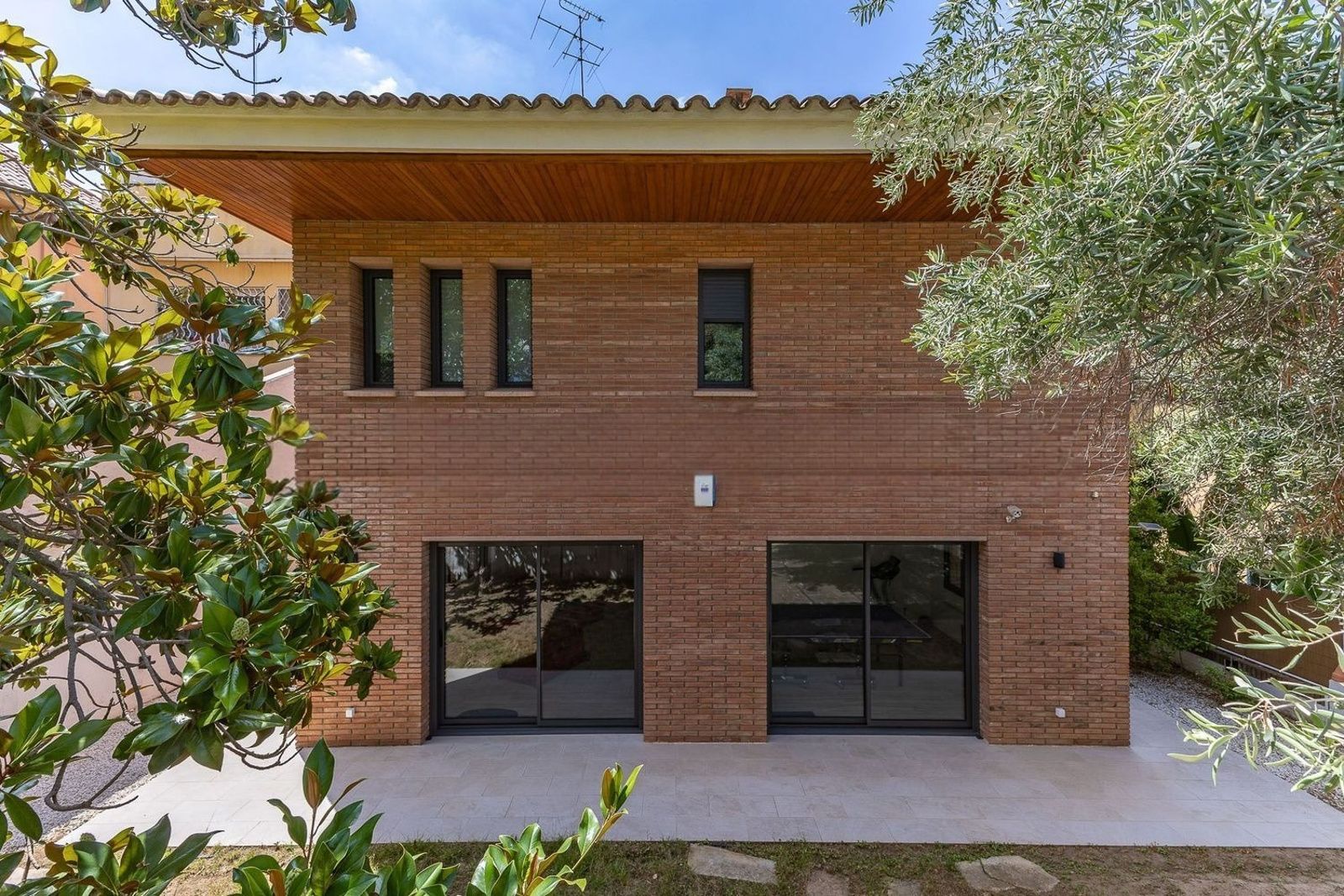
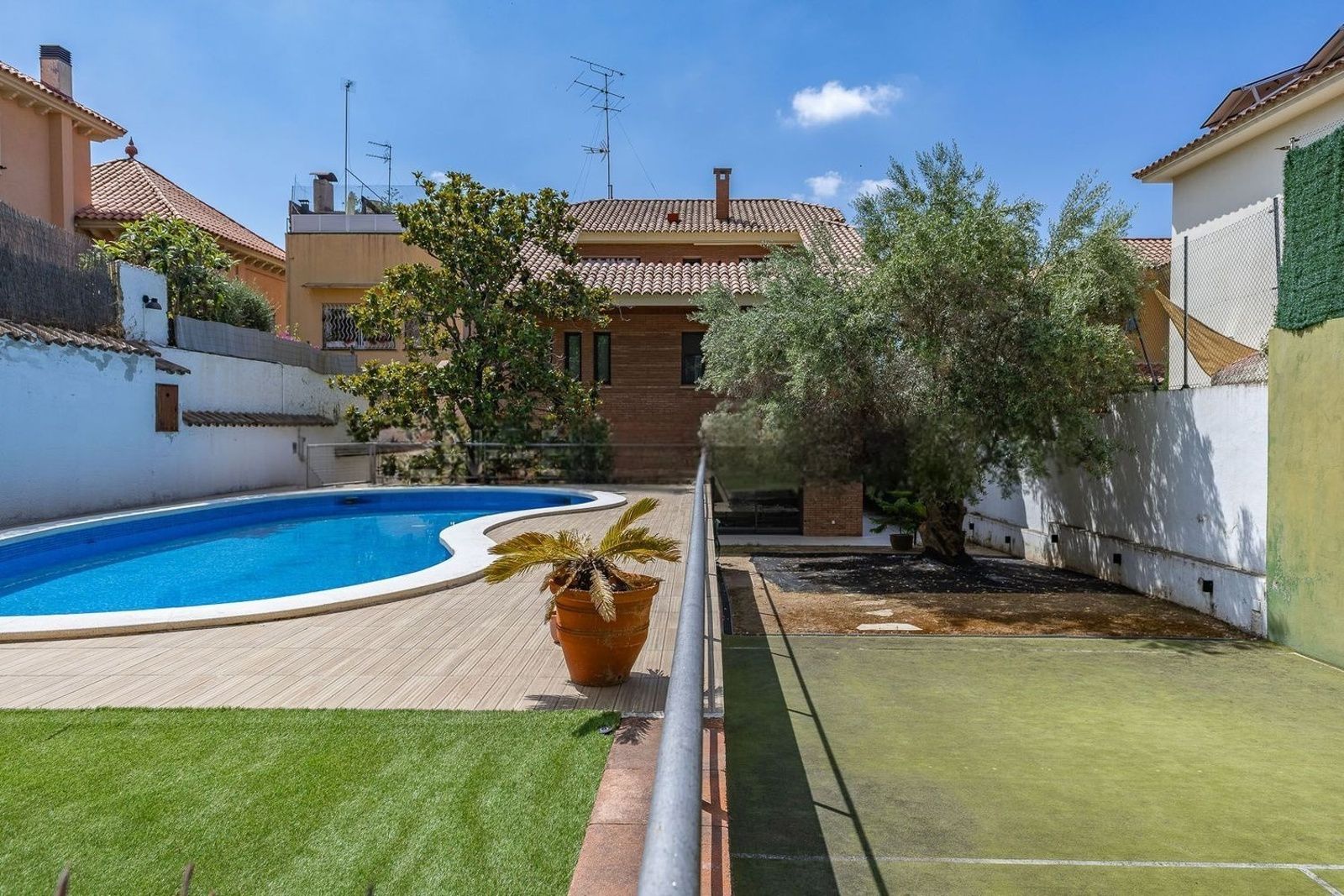
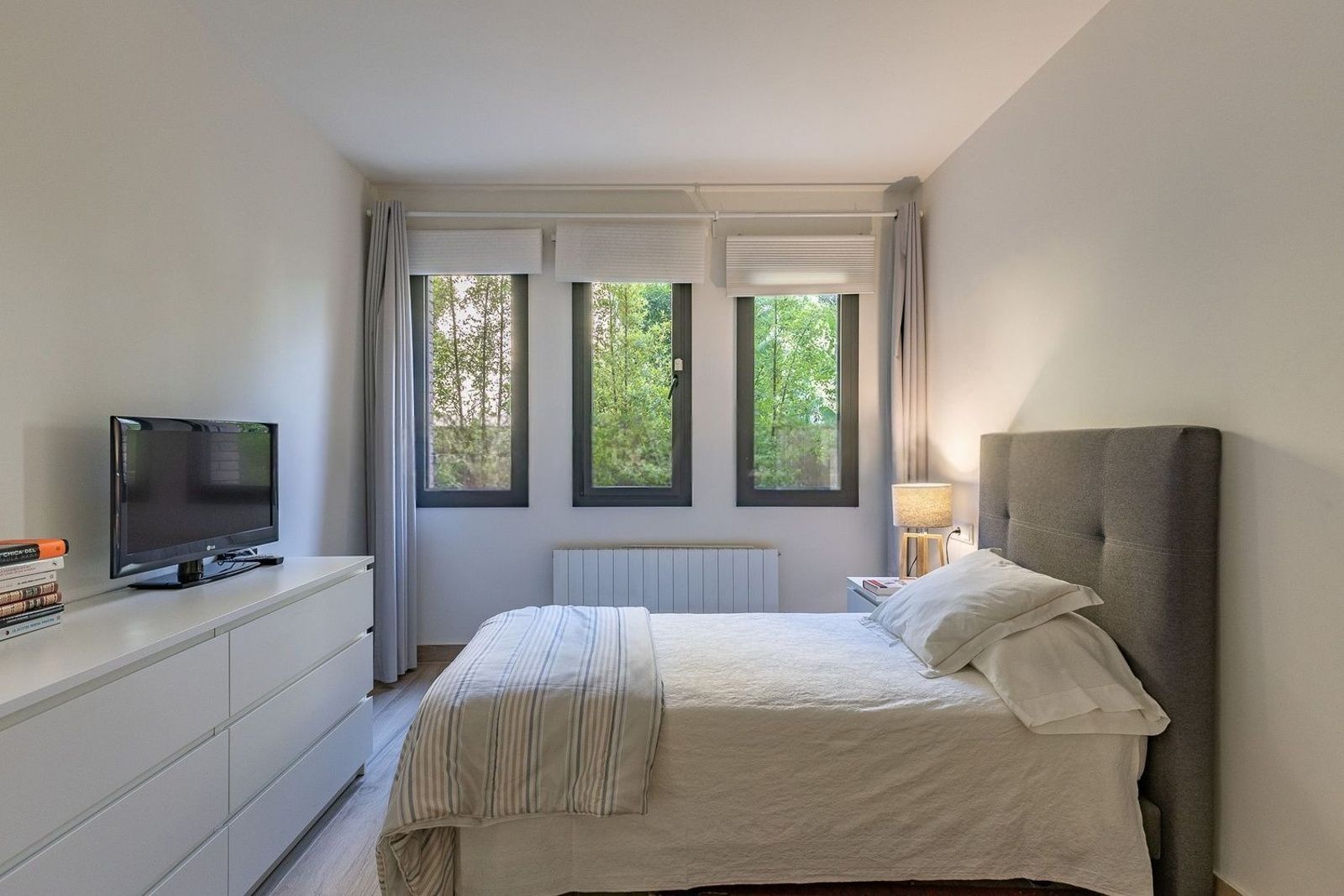
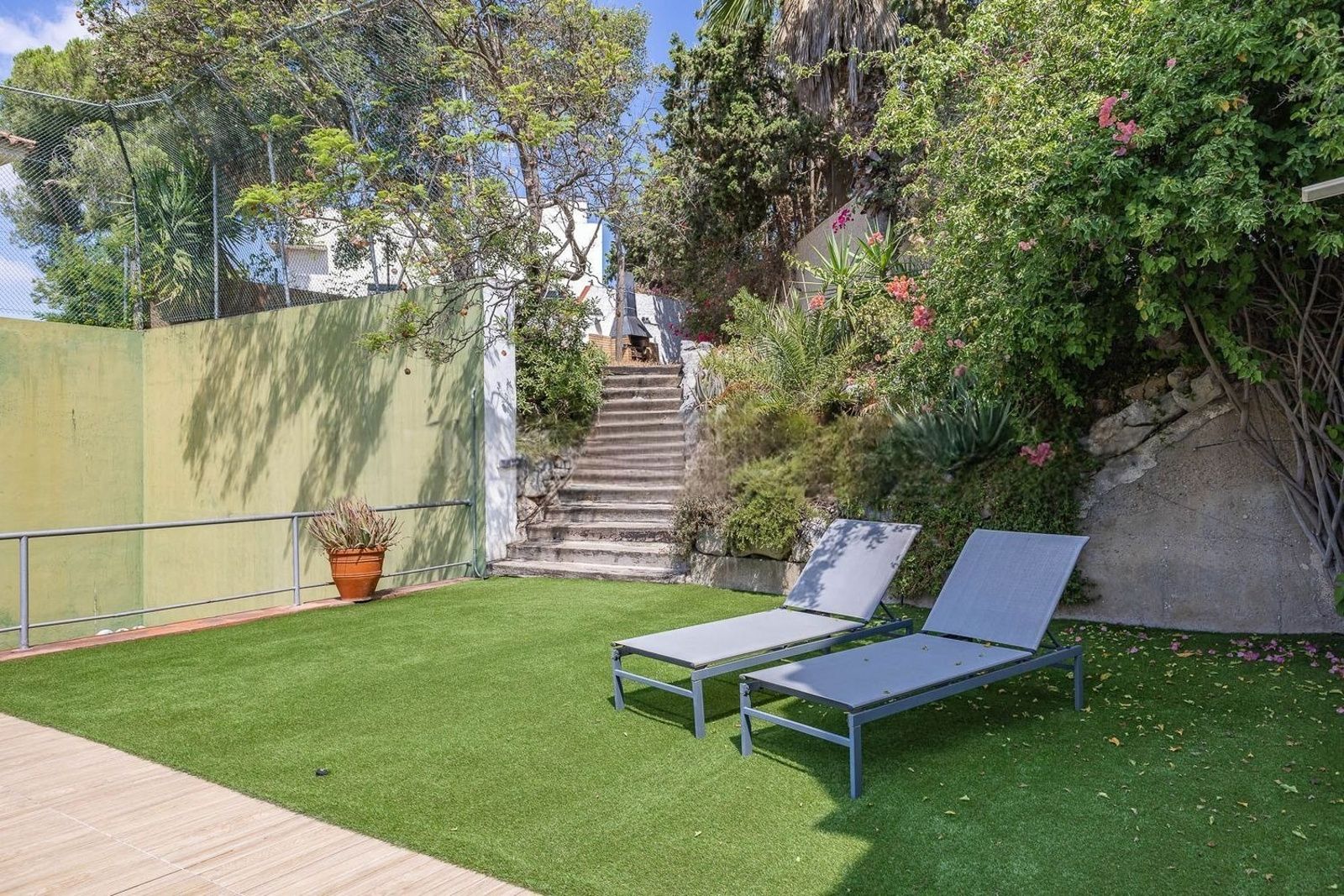
Exclusive Luxury Villa in Sant Just Desvern, Barcelona
Catalonia, Spain
€ 1 960 000
Houses
ID GG_17458
Bedrooms
9
Rooms
4
Bathrooms
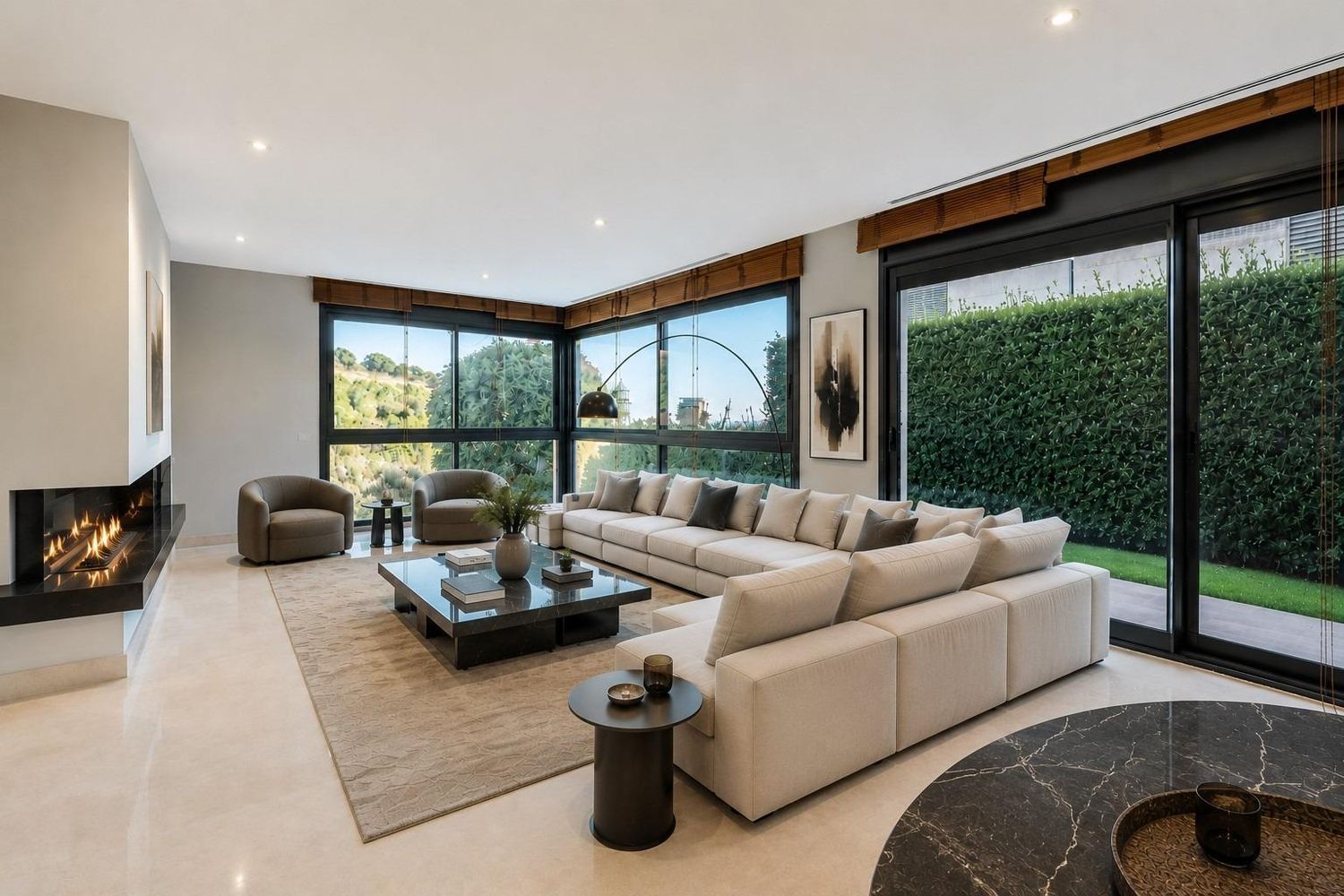
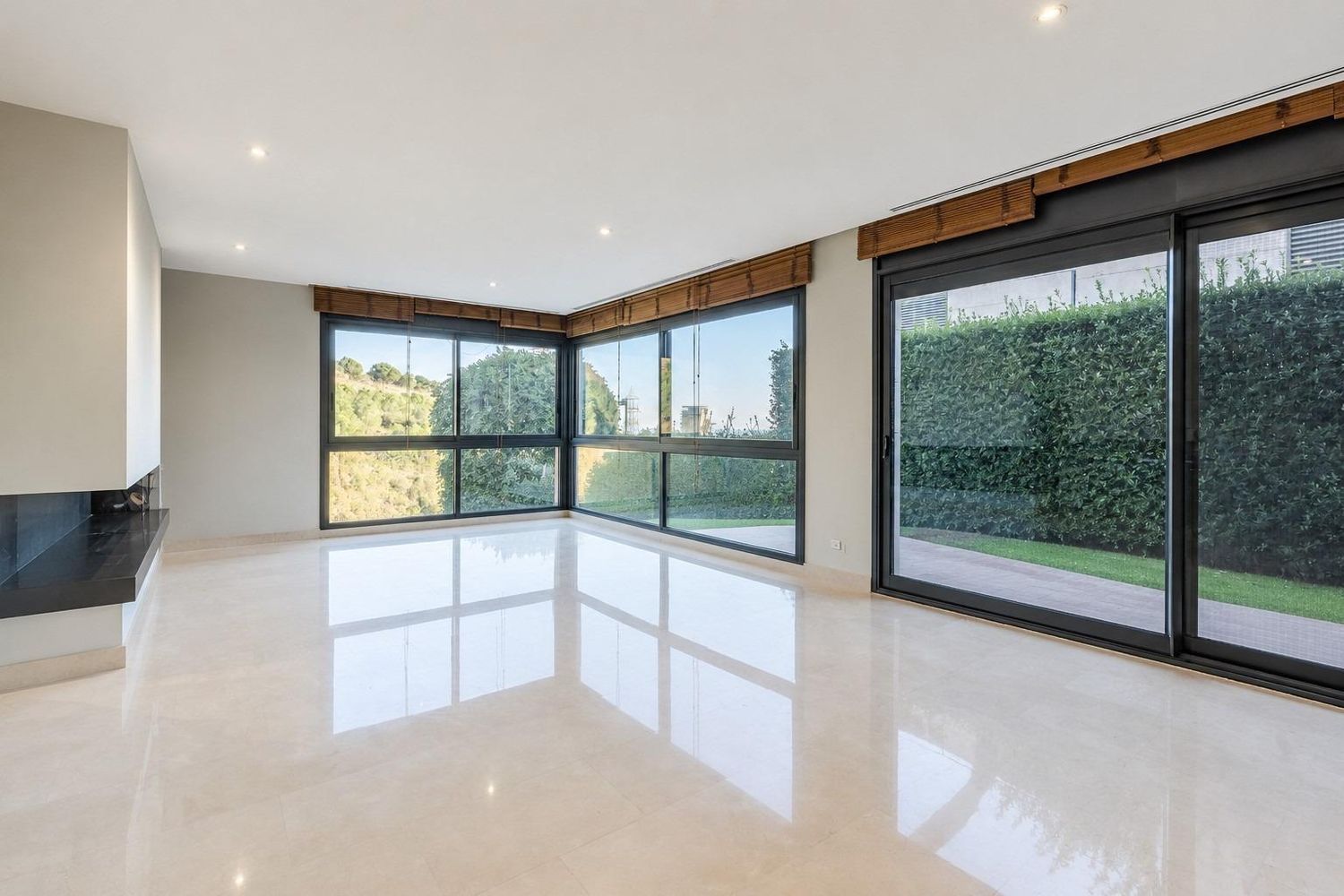
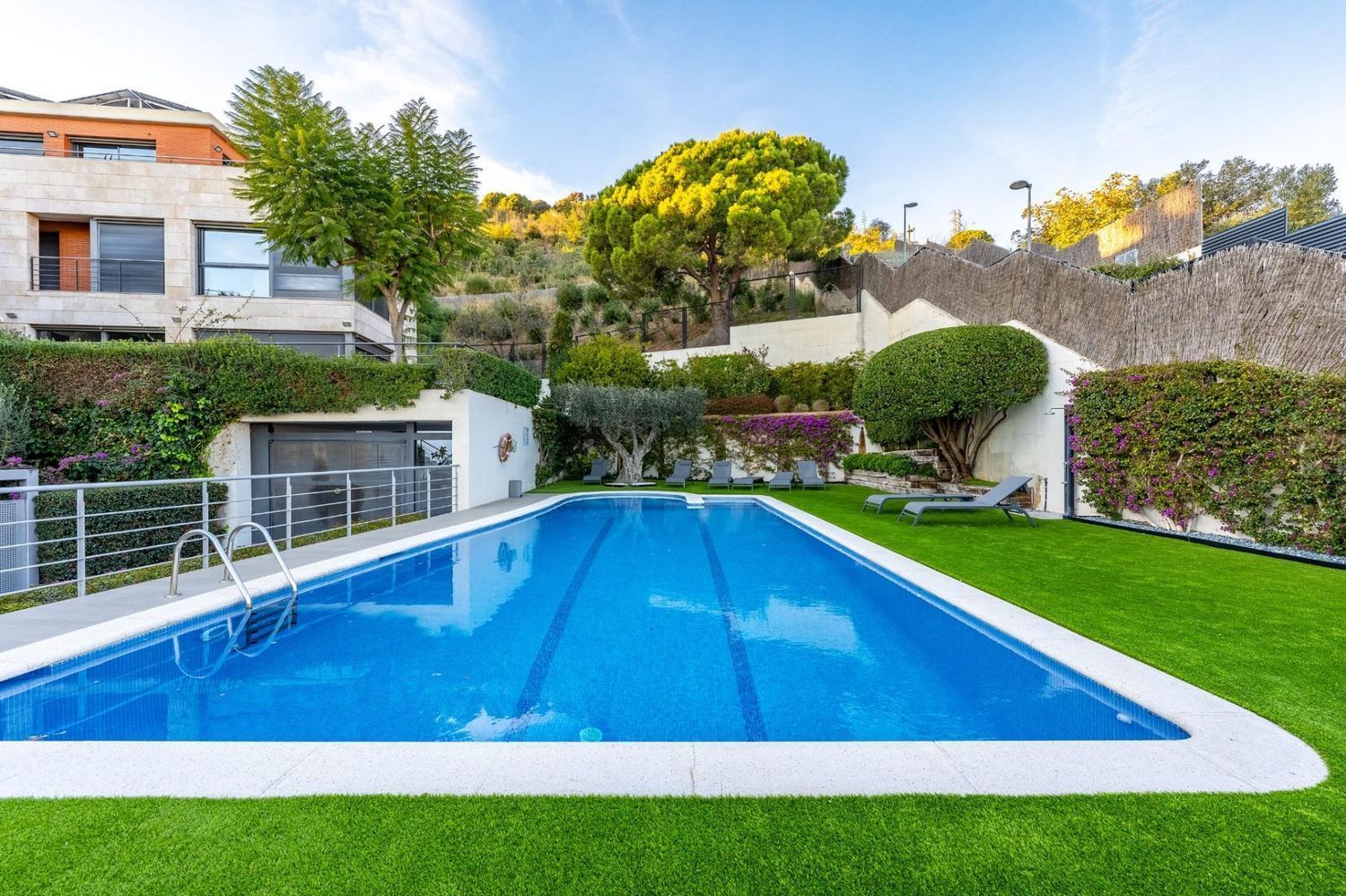
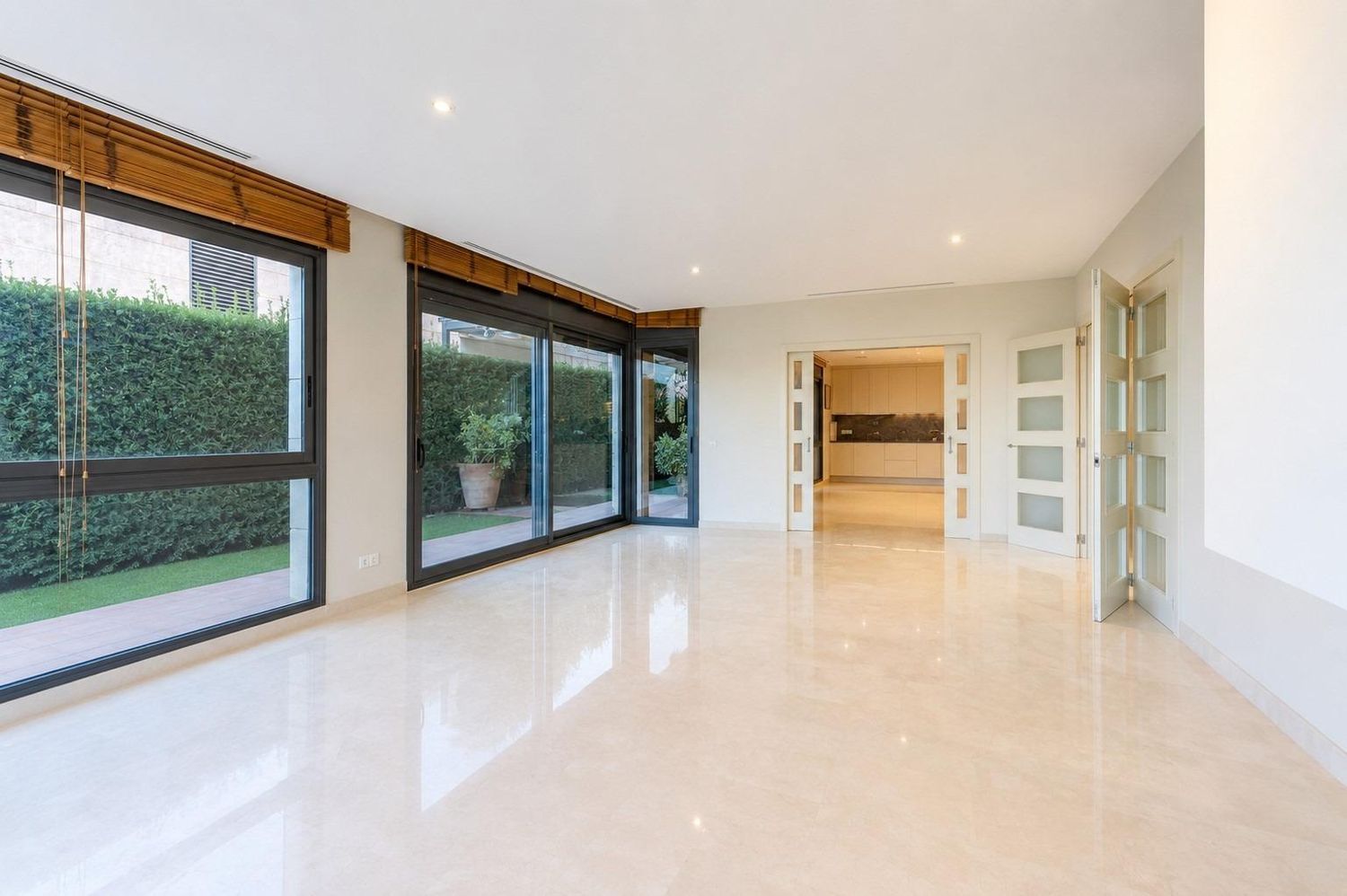
Contemporary Villa with Private Pool in Esplugues de Llobregat, Barcelona
Catalonia, Spain
€ 2 100 000
Houses
ID GG_17445
Bedrooms
6
Rooms
5
Bathrooms
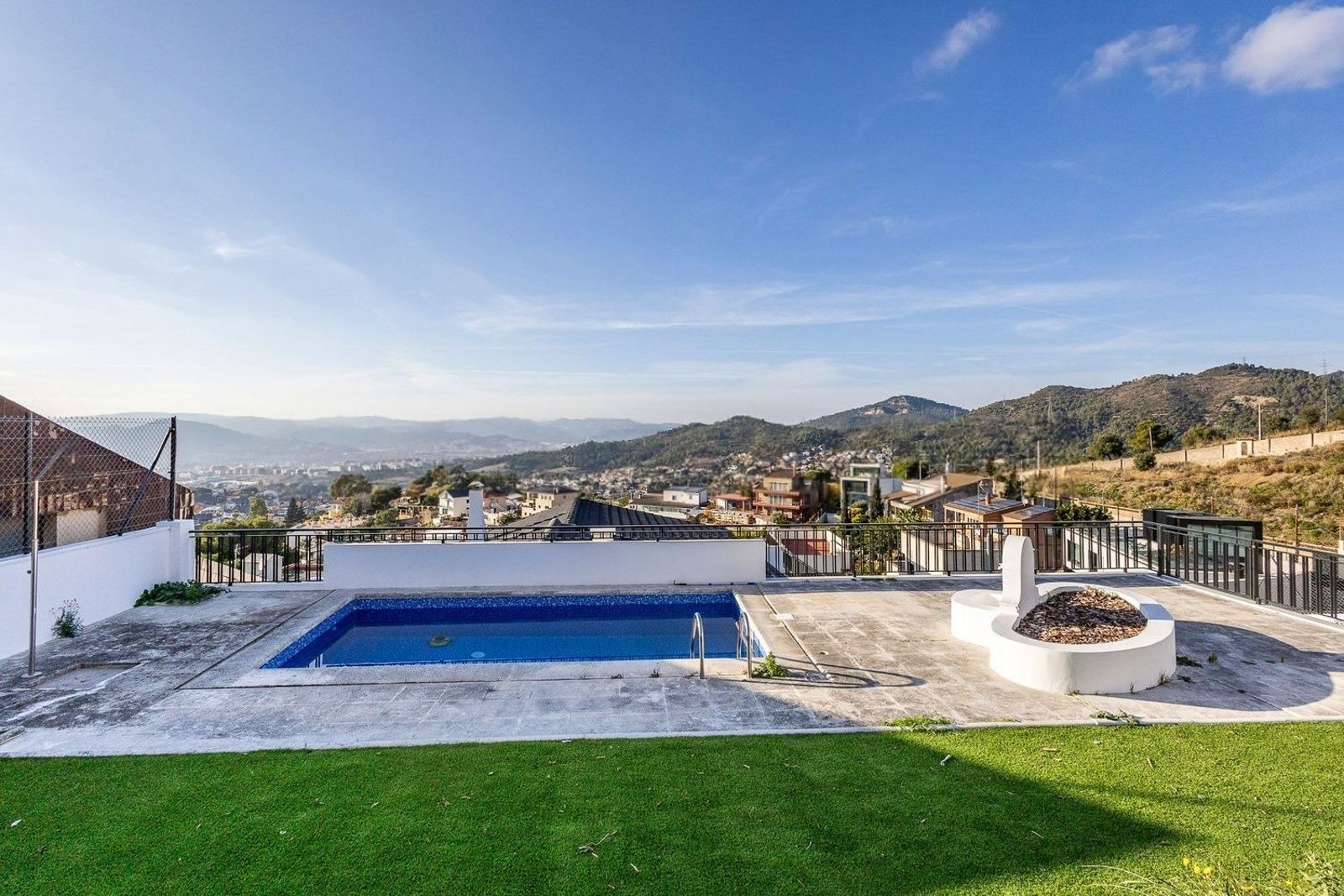
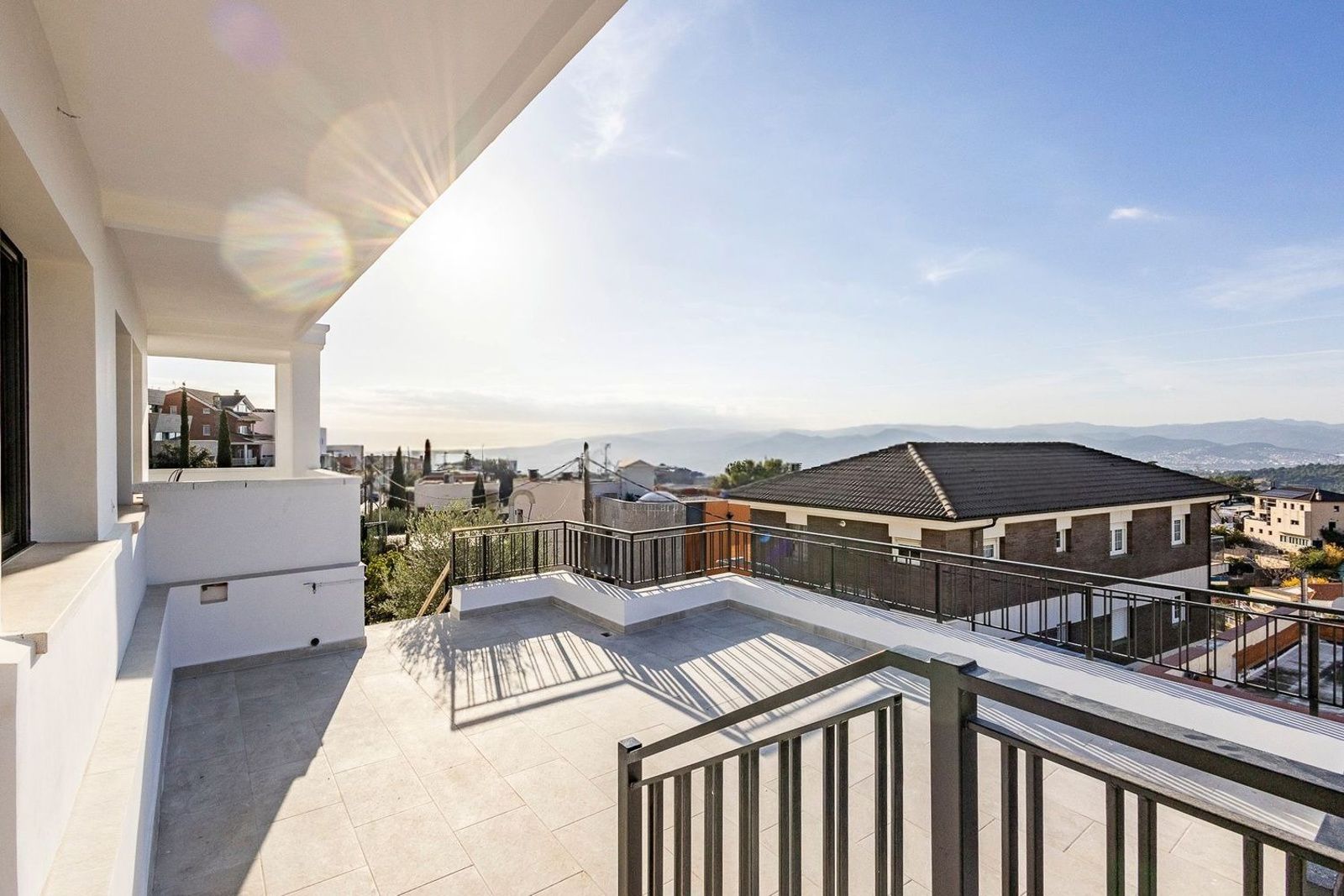
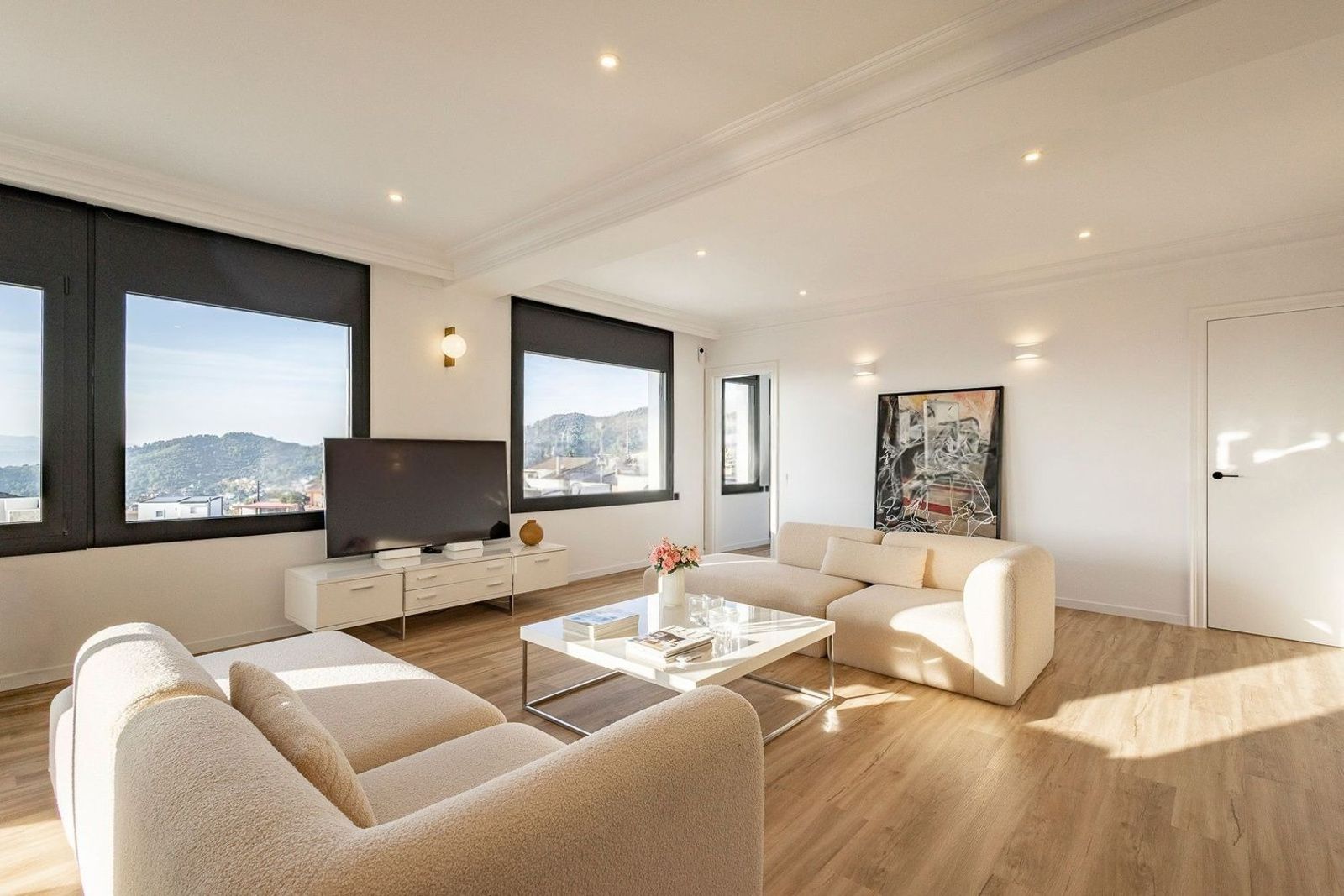
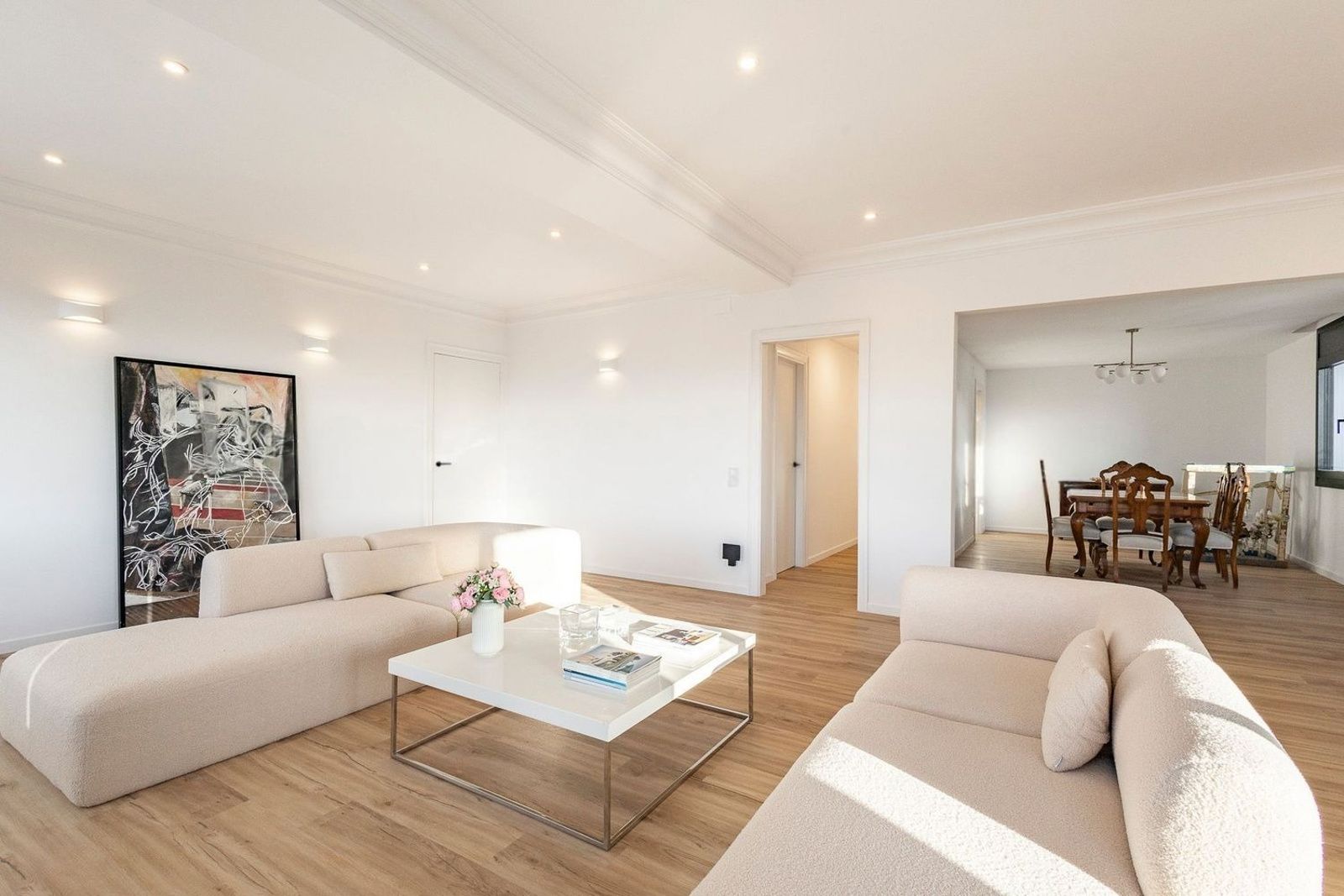
Renovated Luxury Villa with Panoramic Views and Pool in Esplugues de Llobregat, Barcelona
Catalonia, Spain
€ 1 760 000
Houses
ID GG_17467
Bedrooms
8
Rooms
7
Bathrooms
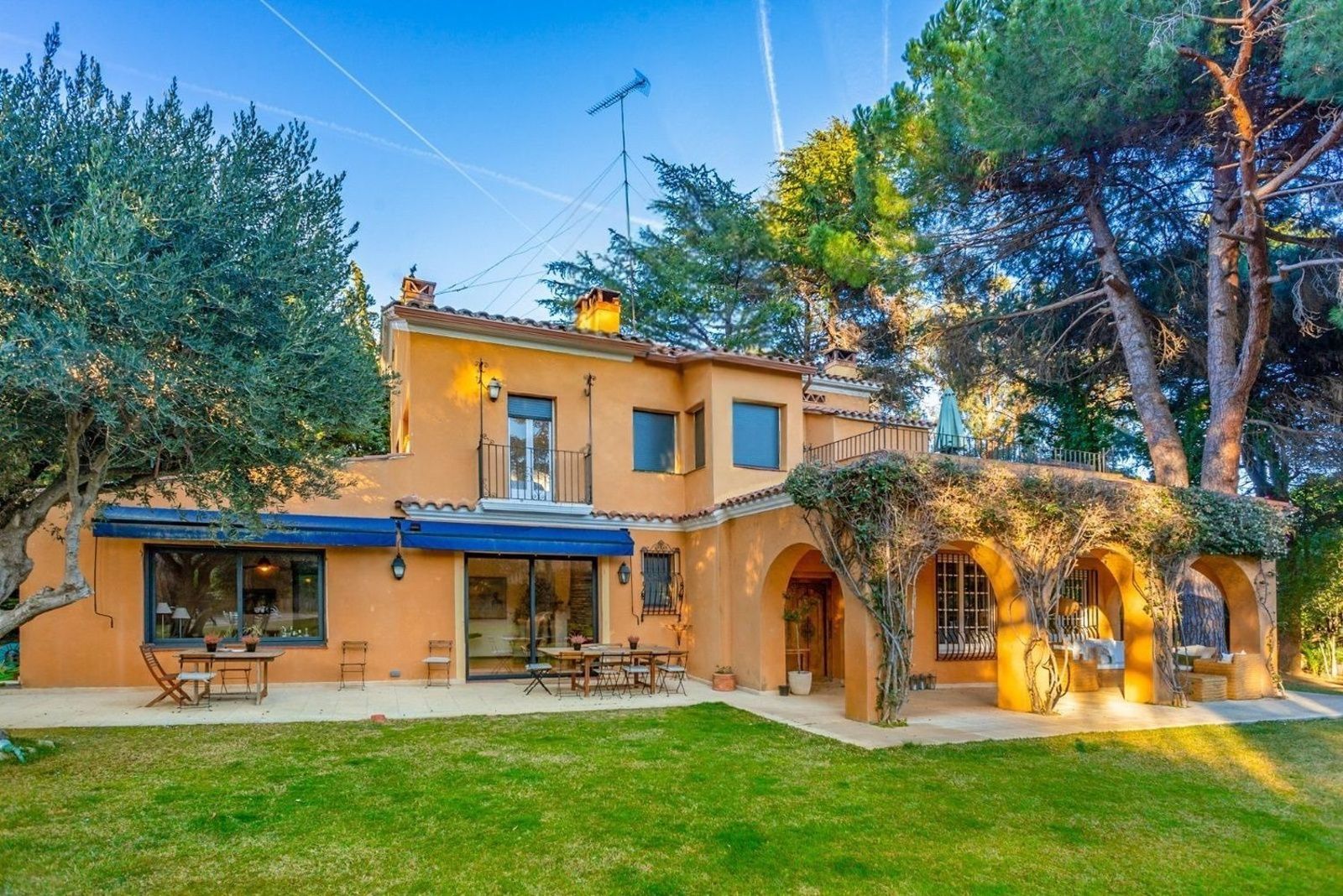
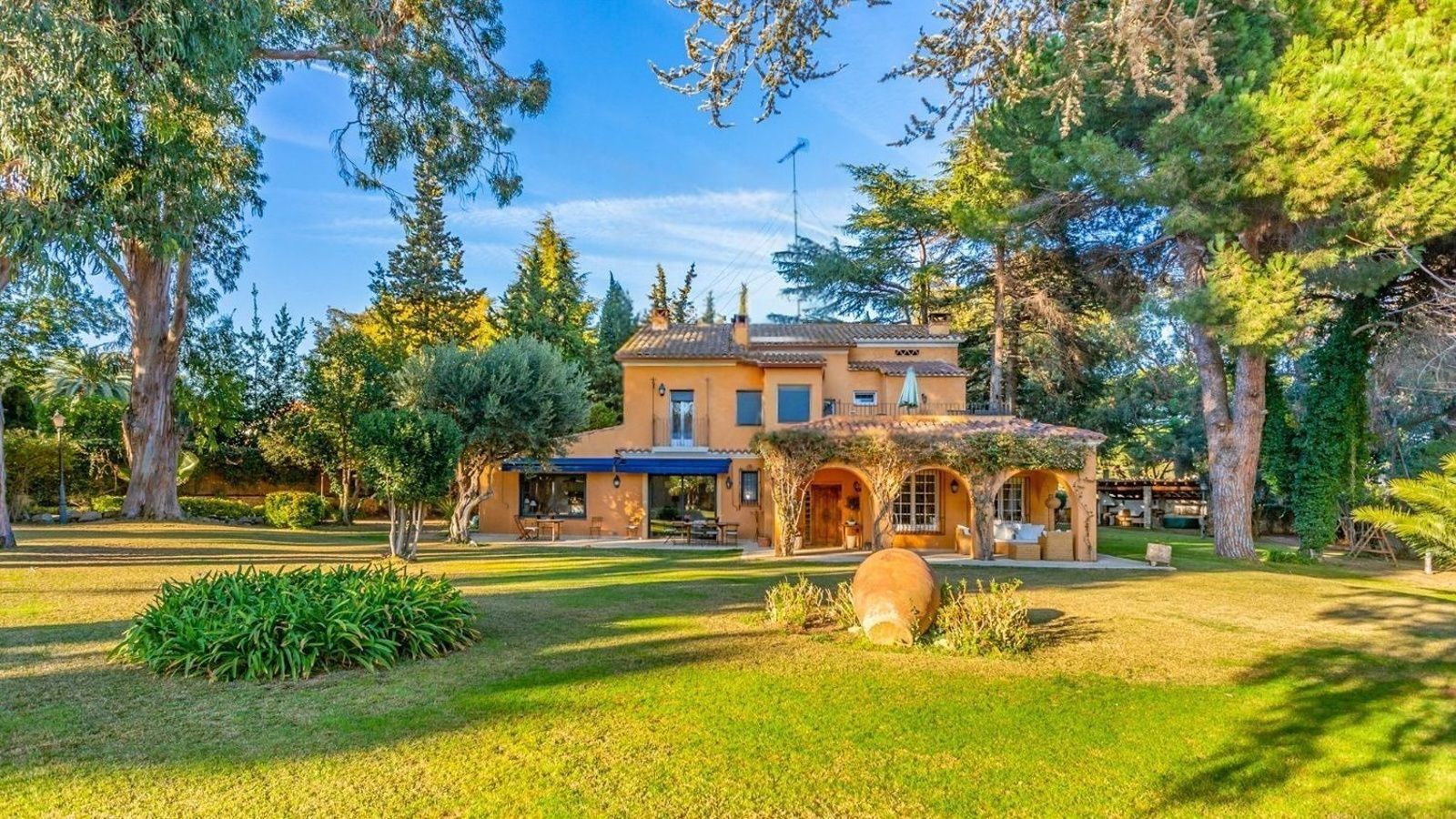
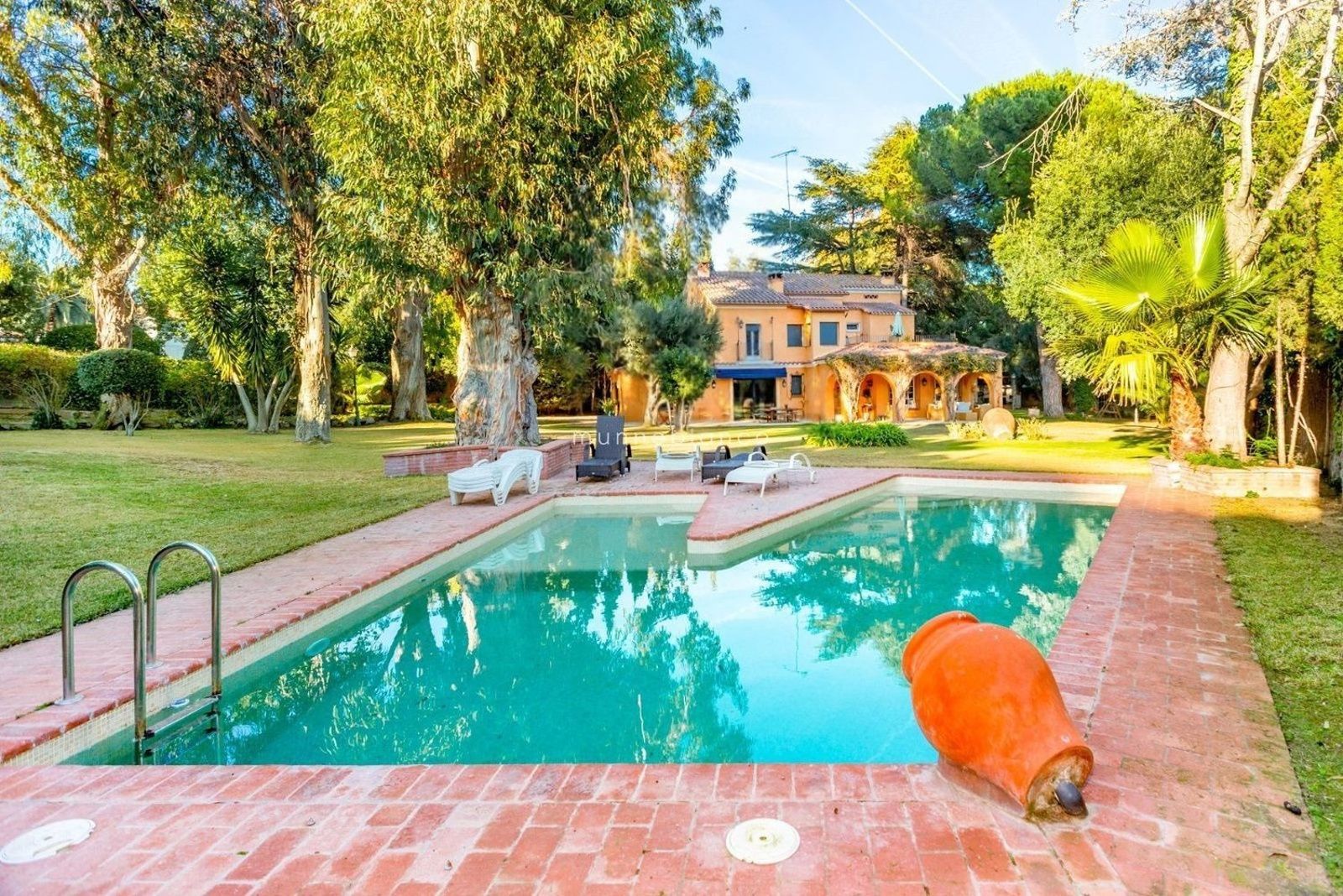
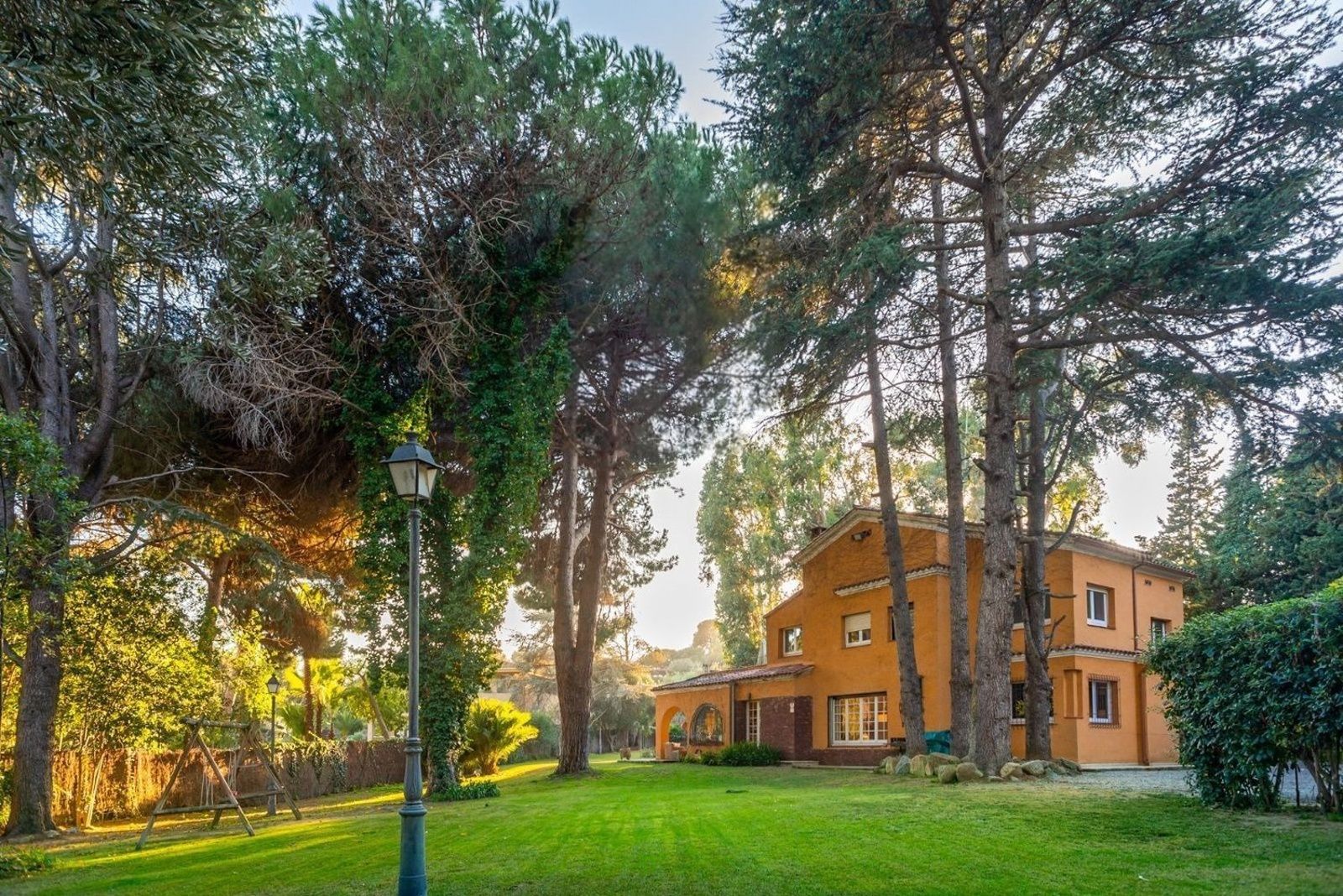
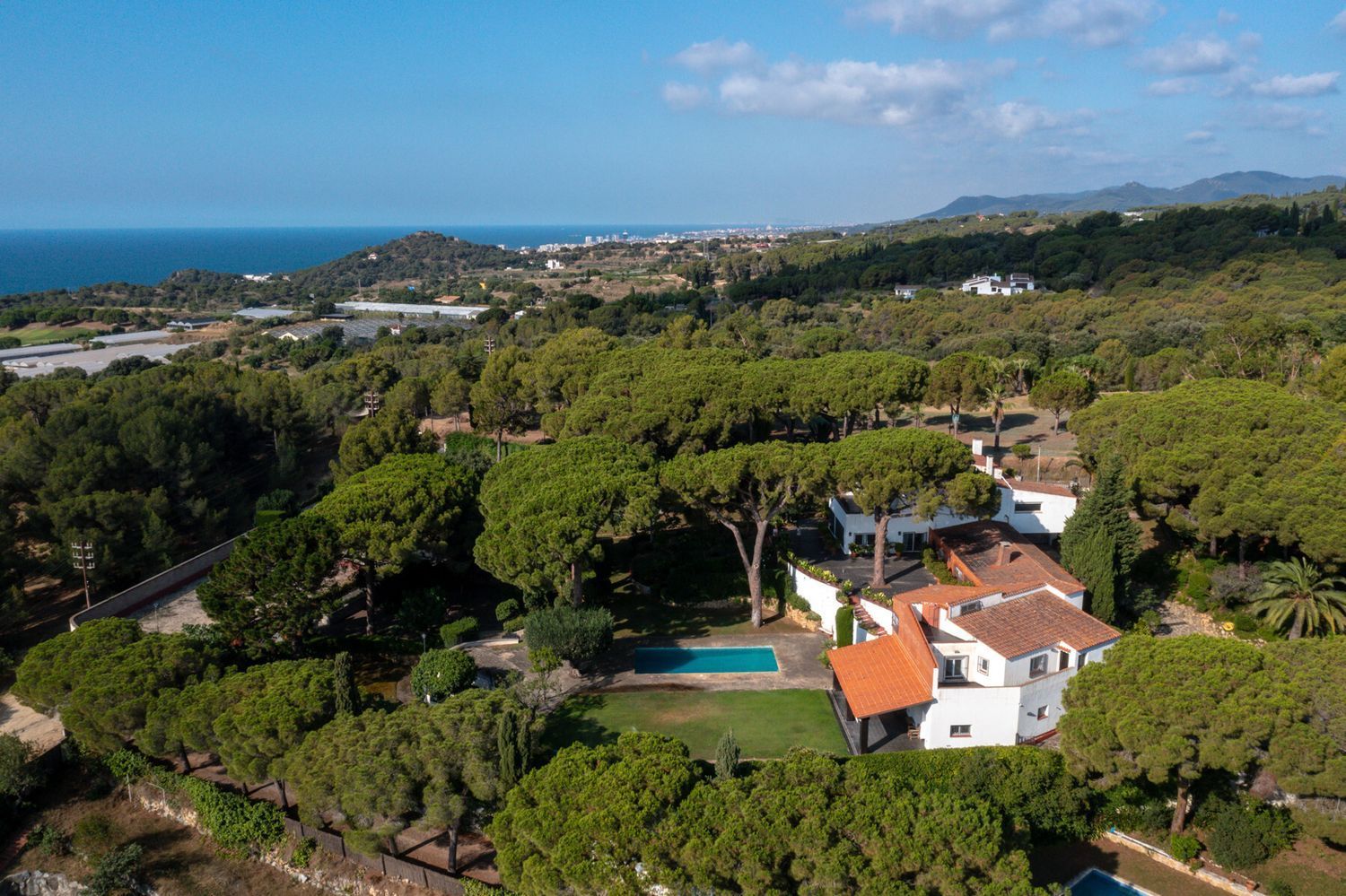
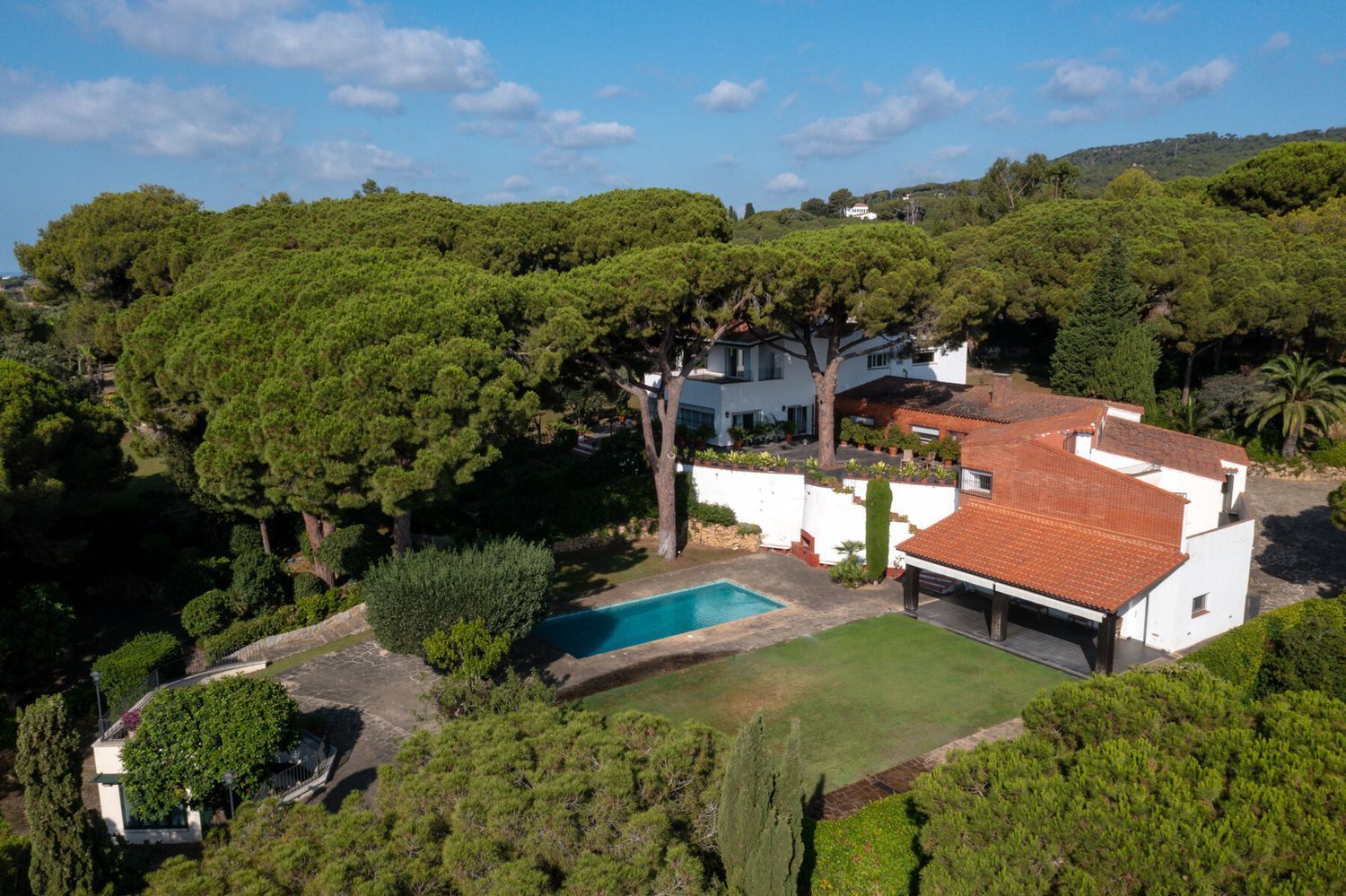
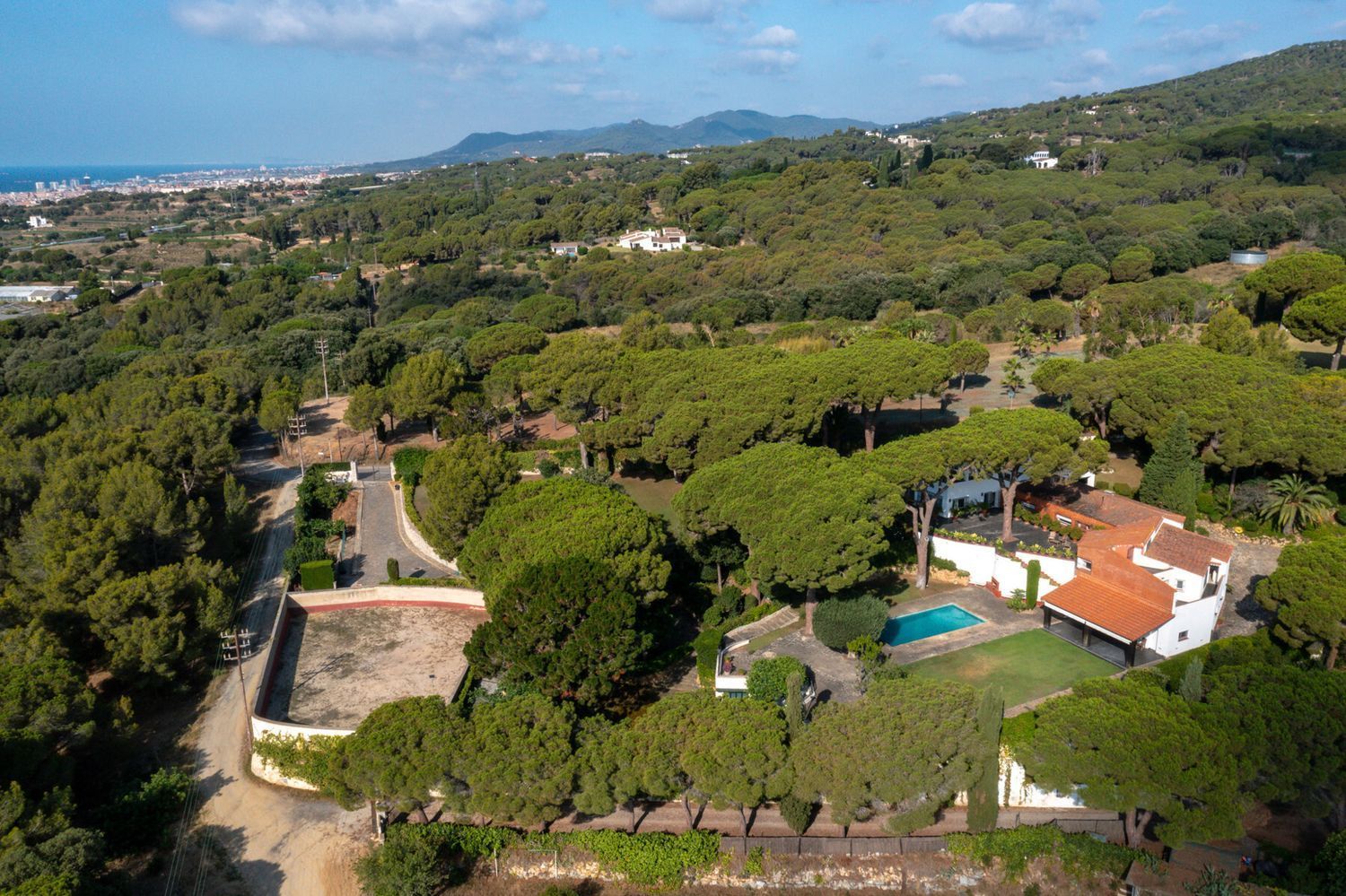
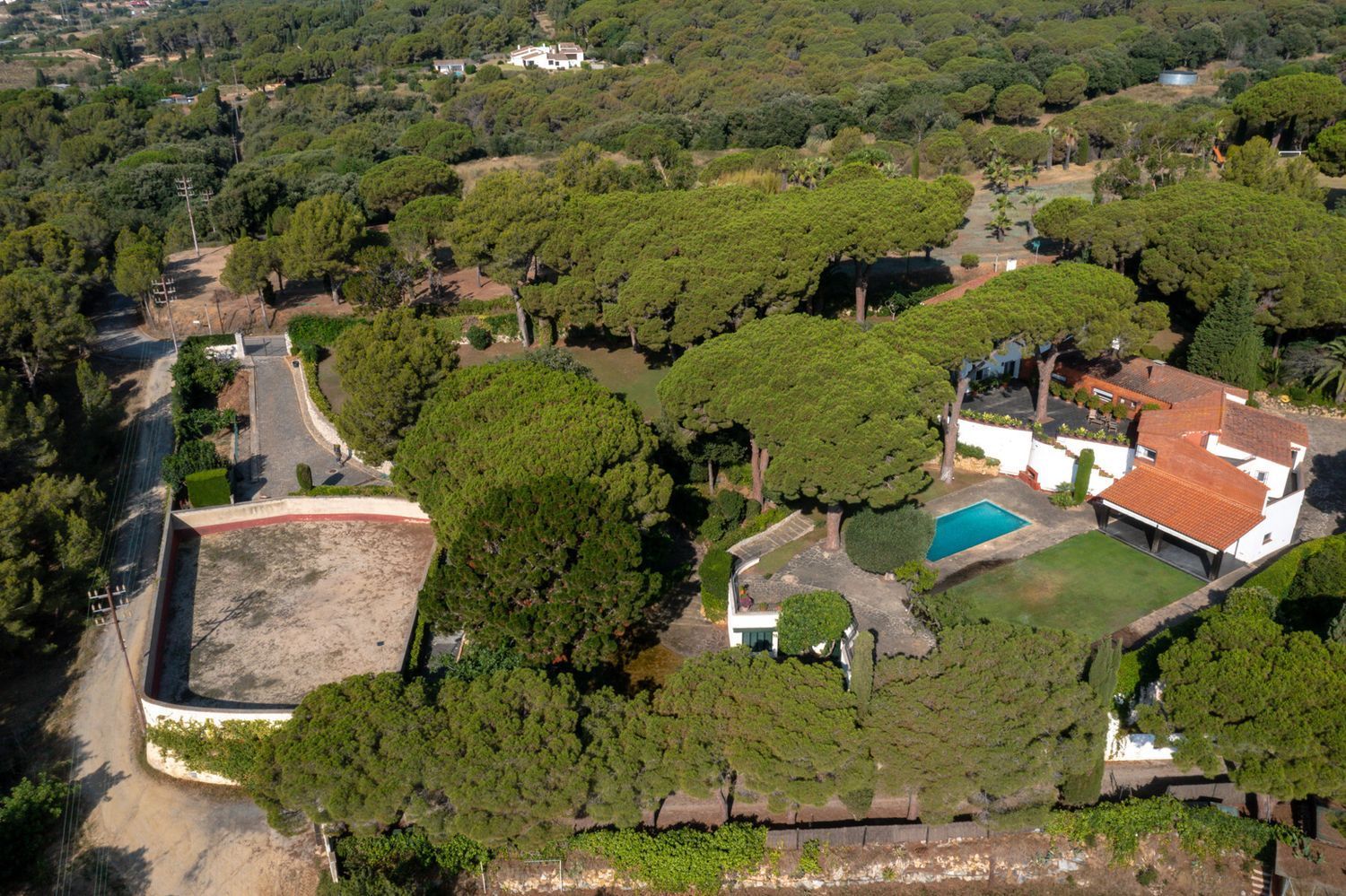
Exclusive Manor-Style Villa with Garden and Pool in the Province of Barcelona.
Catalonia, Spain
€ 1 750 000
Houses
ID GG_17177
Bedrooms
8
Rooms
5
Bathrooms
Exclusive Luxury Estate in the Maresme
Catalonia, Spain
€ 1 950 000
Houses
ID GG_17165
Bedrooms
6
Rooms
5
Bathrooms
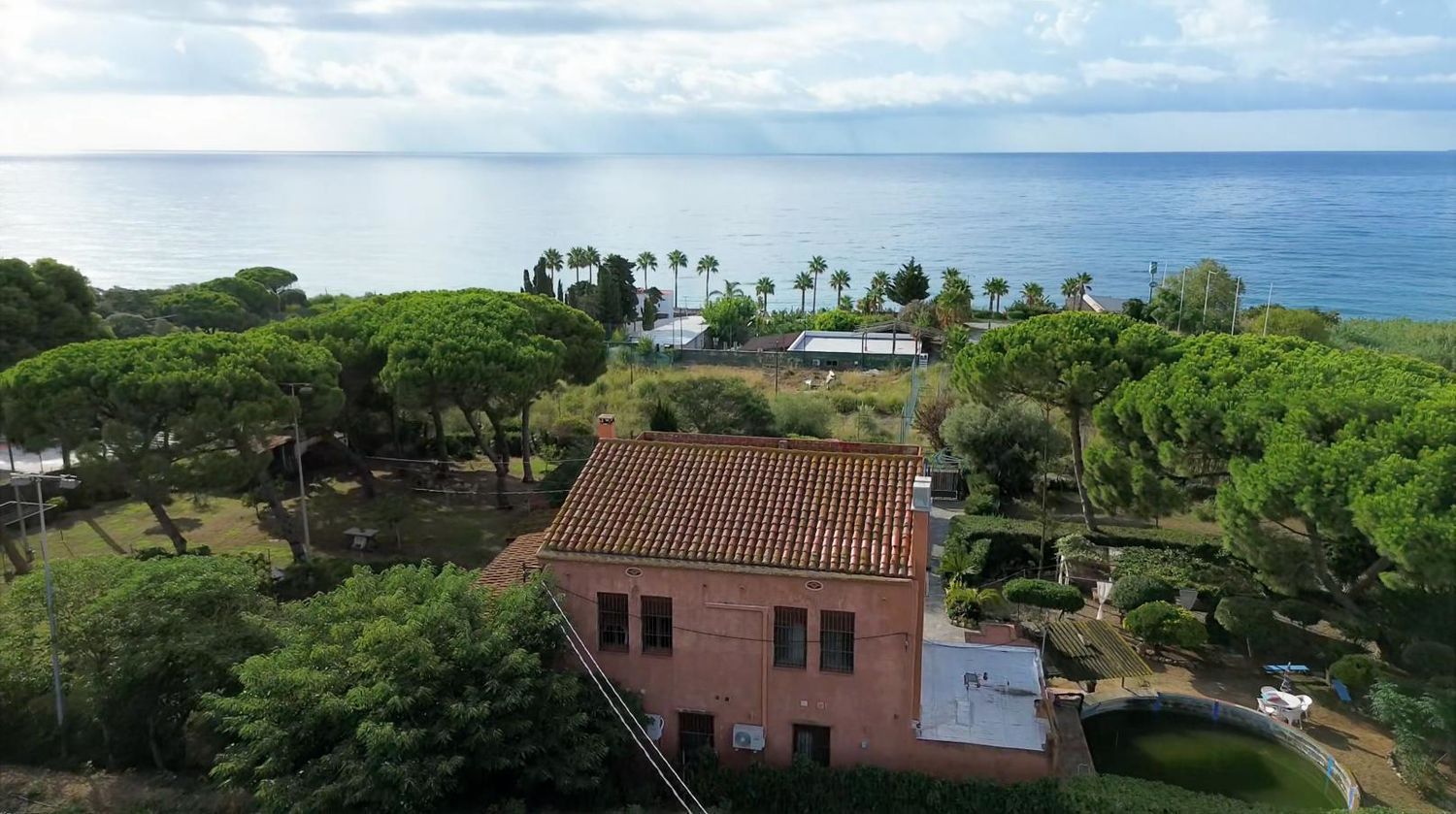
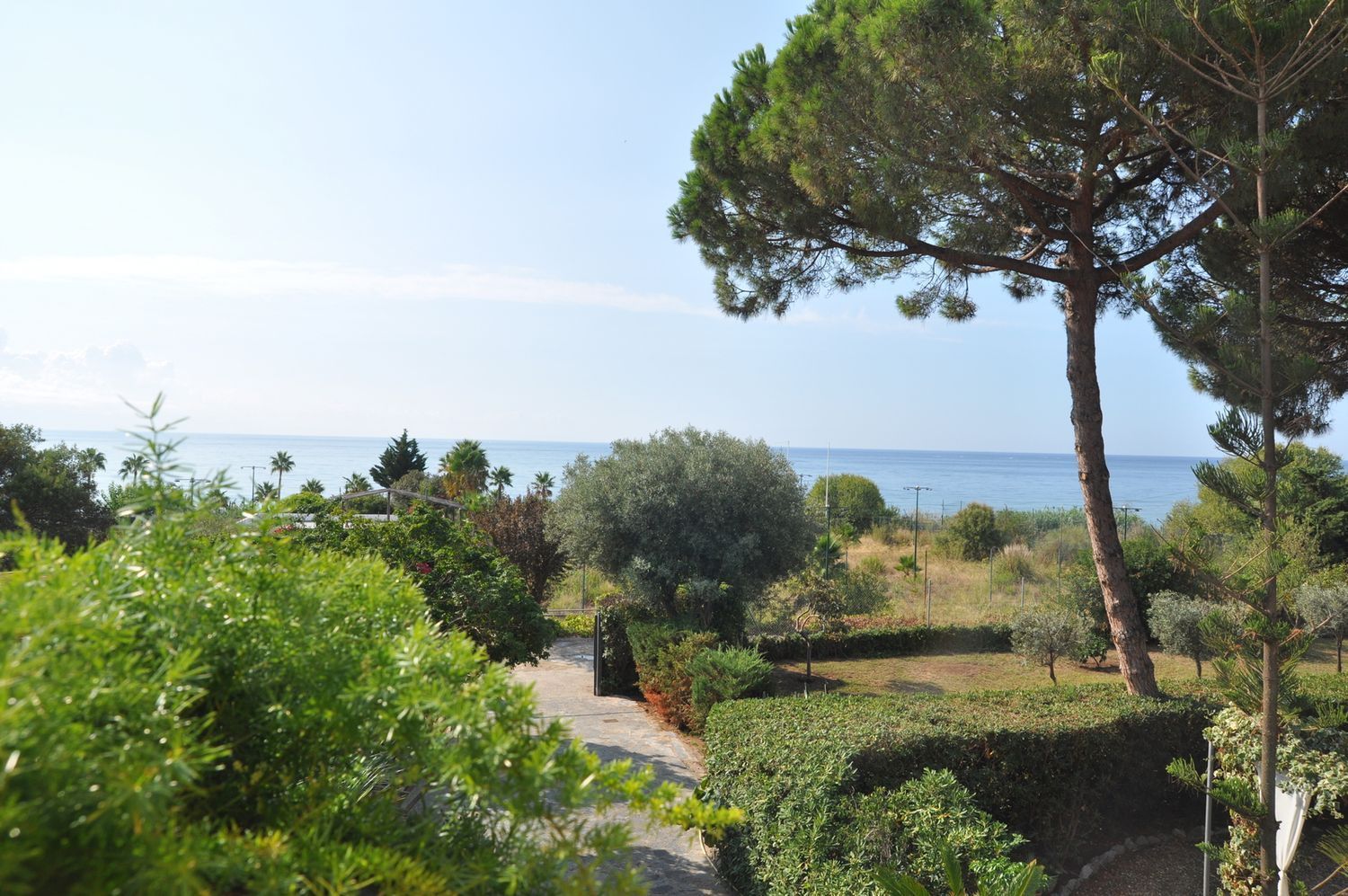
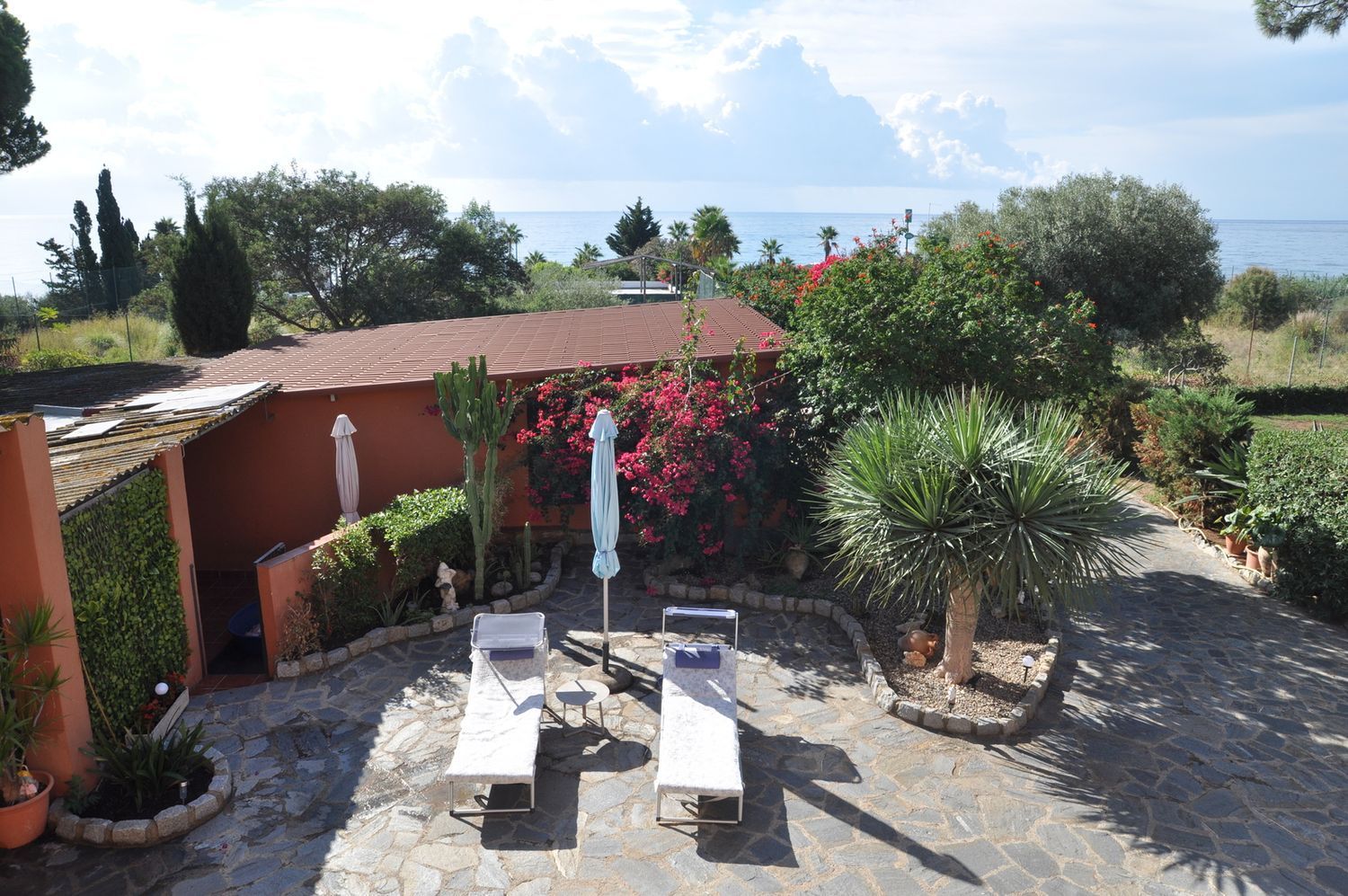
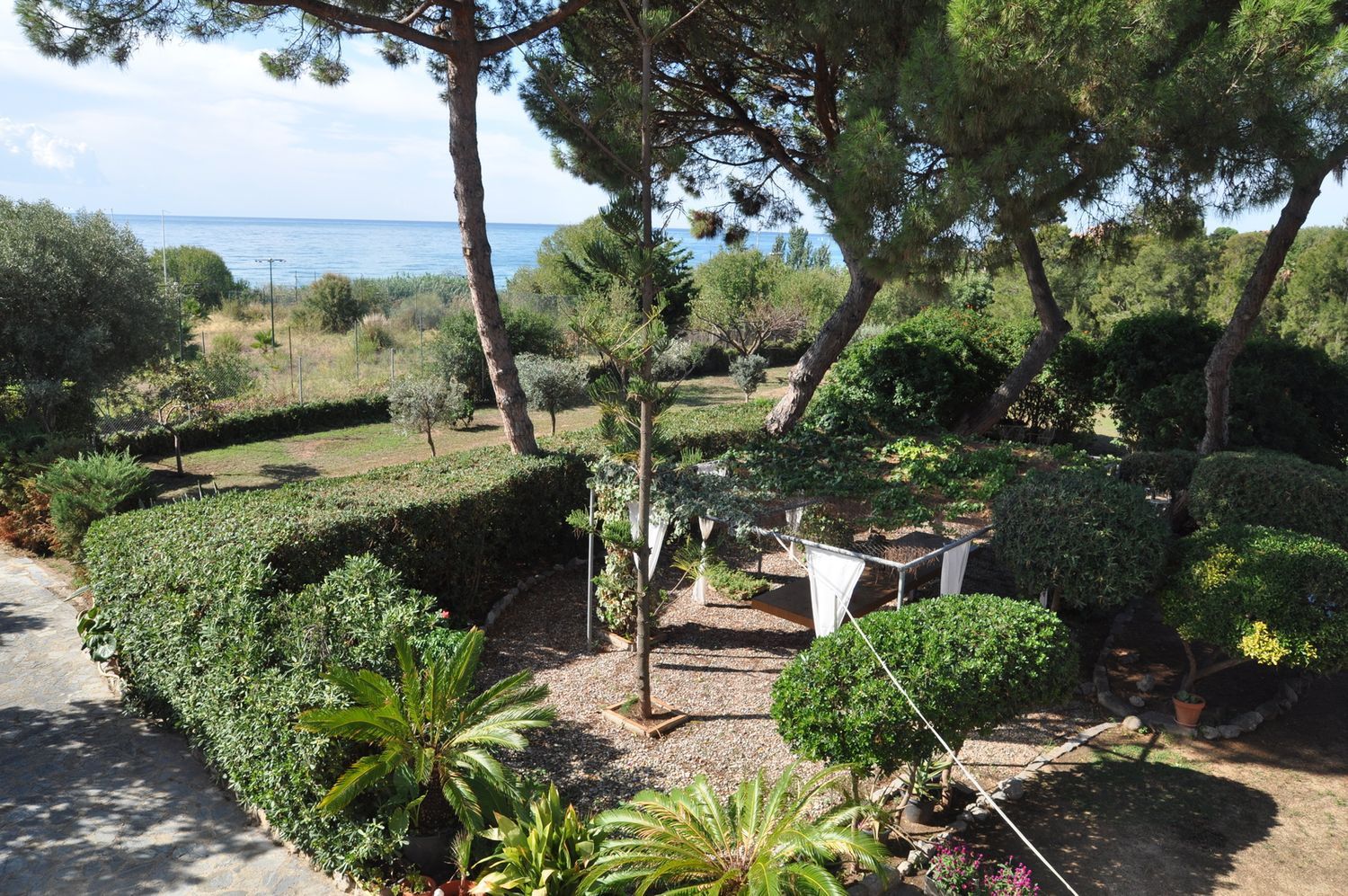
Exclusive Sea View Estate in Mataró
Catalonia, Spain
€ 1 300 000
Houses
ID GG_17155
Bedrooms
6
Rooms
3
Bathrooms
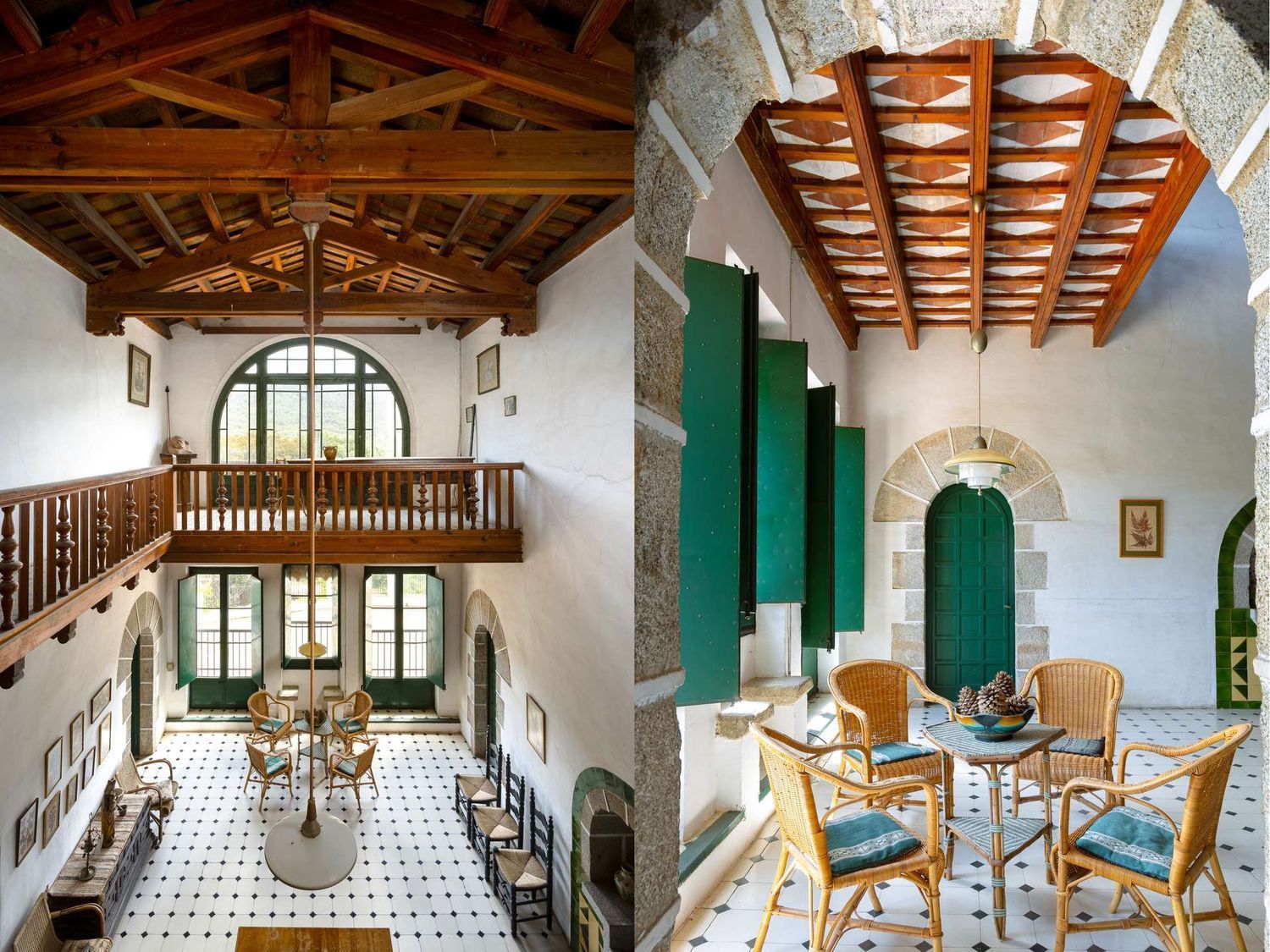
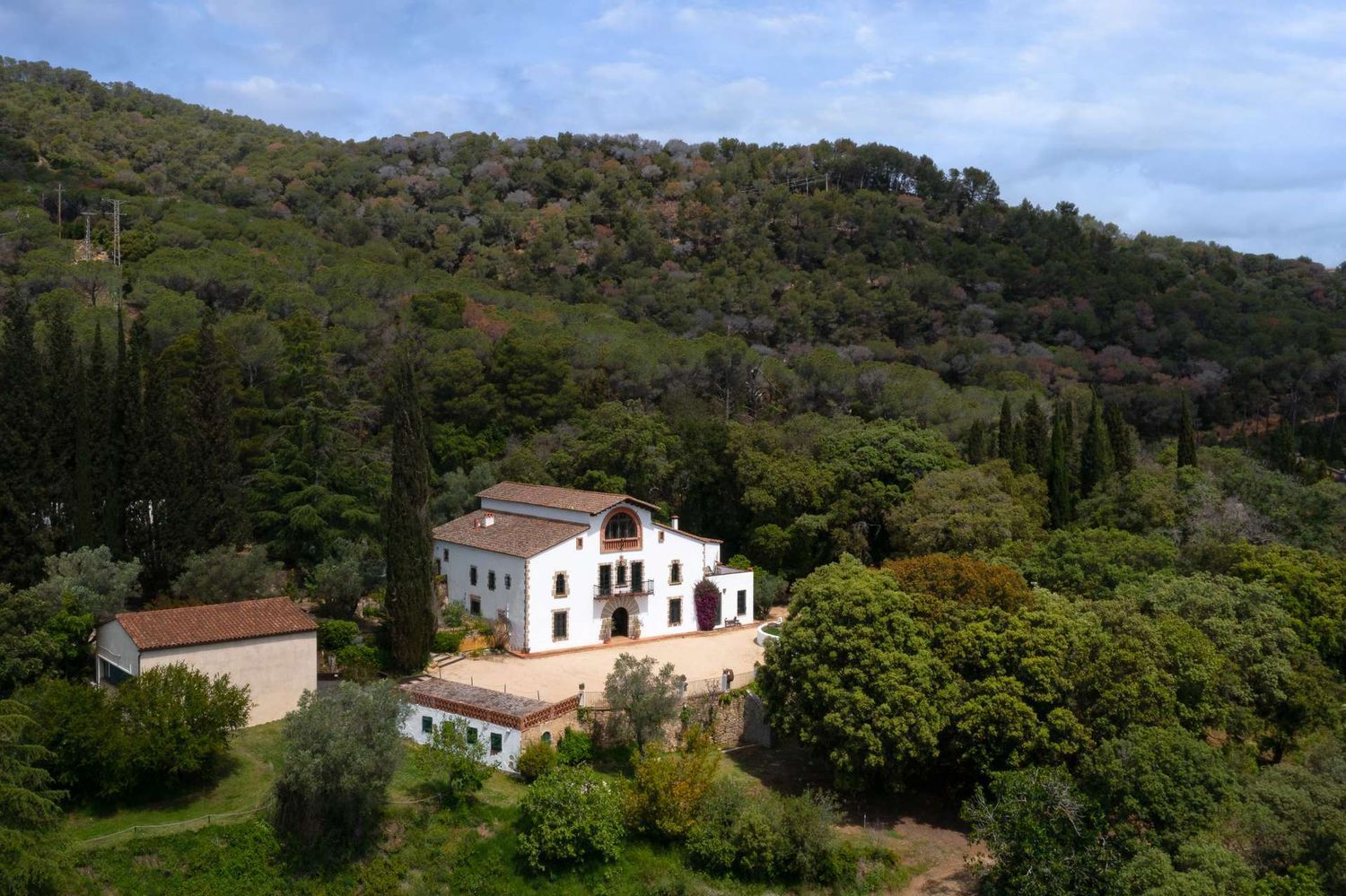
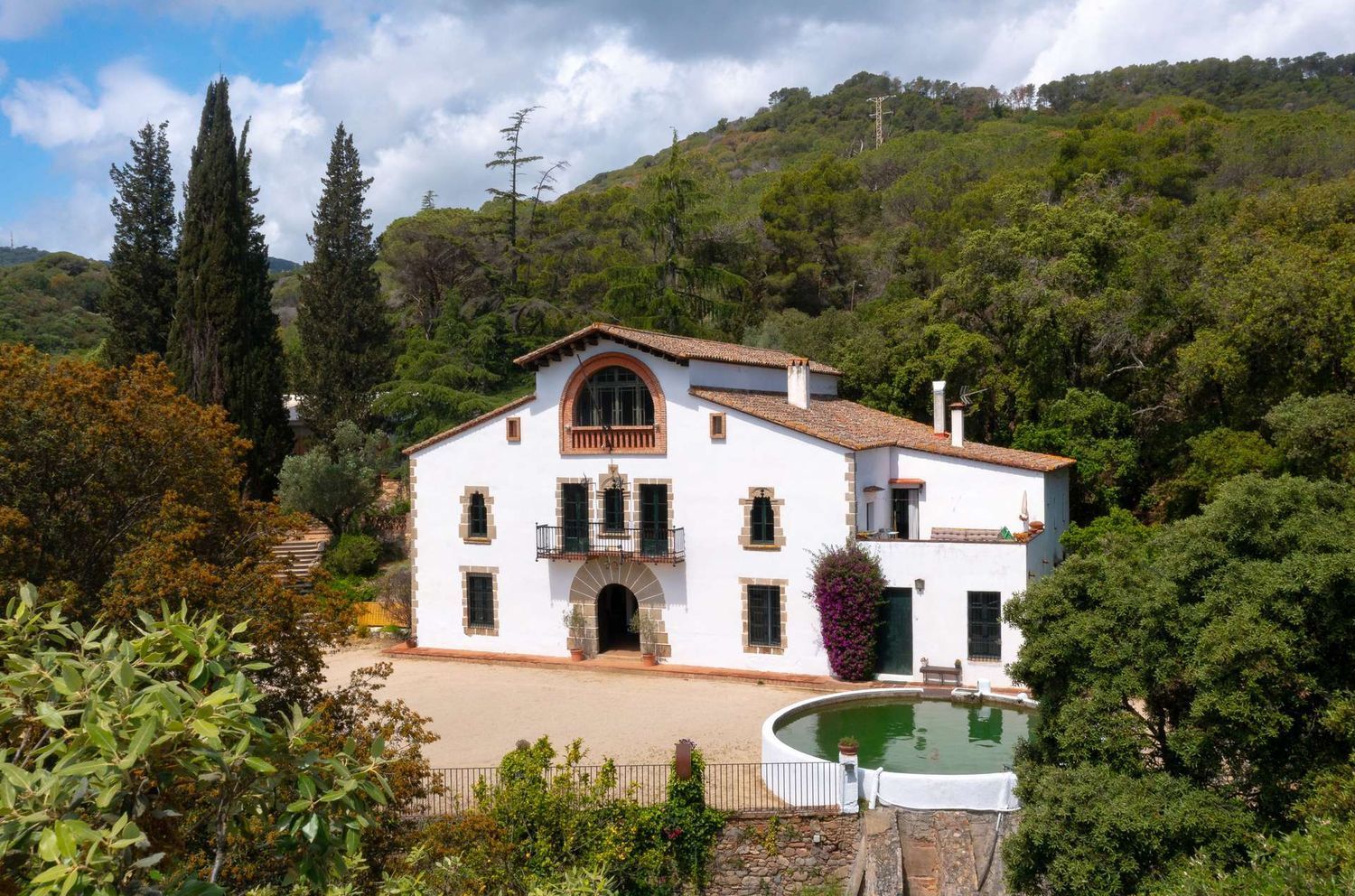
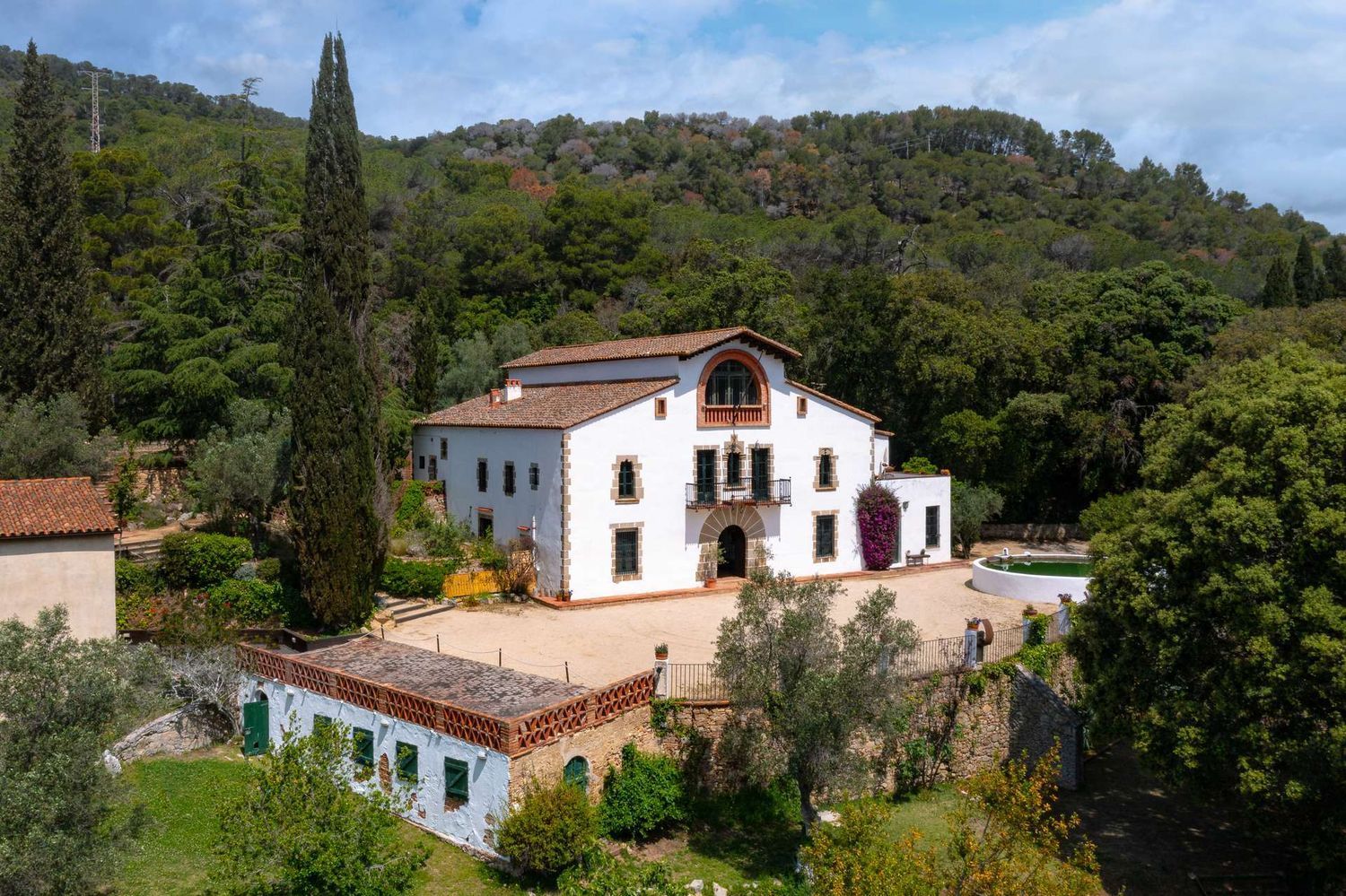
Historic Estate in the Maresme Region
Catalonia, Spain
€ 1 600 000
Houses
ID GG_17145
Bedrooms
6
Rooms
4
Bathrooms
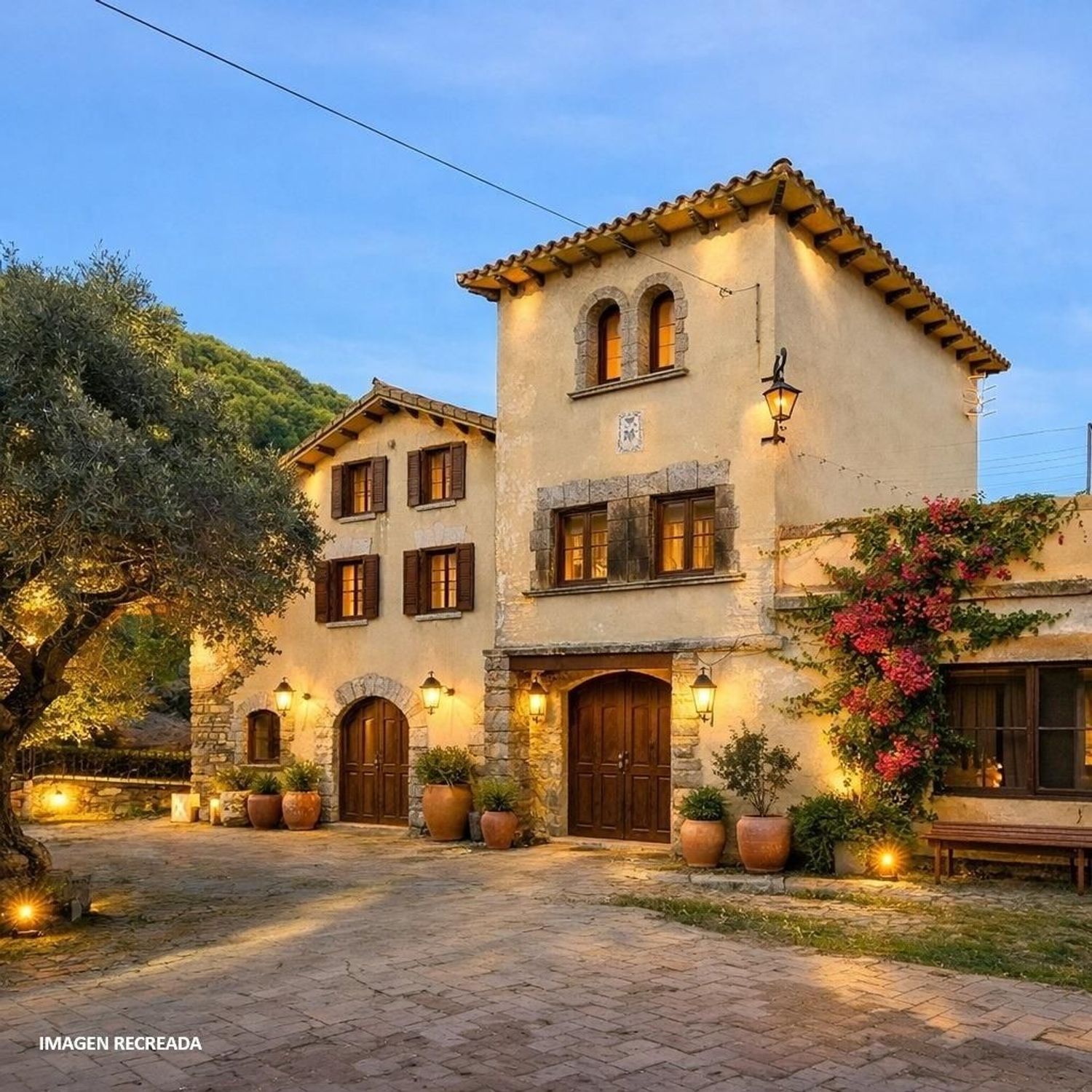
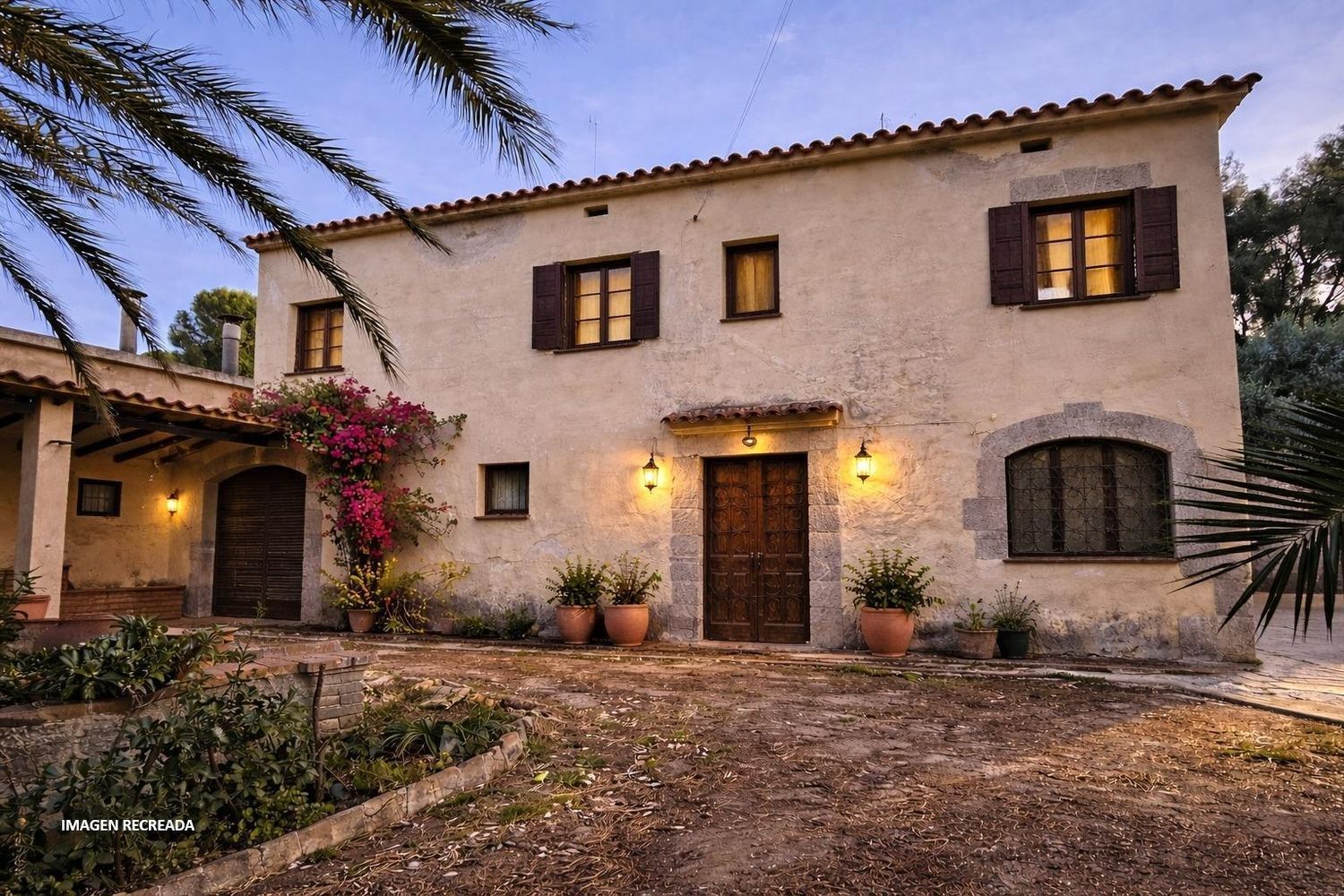
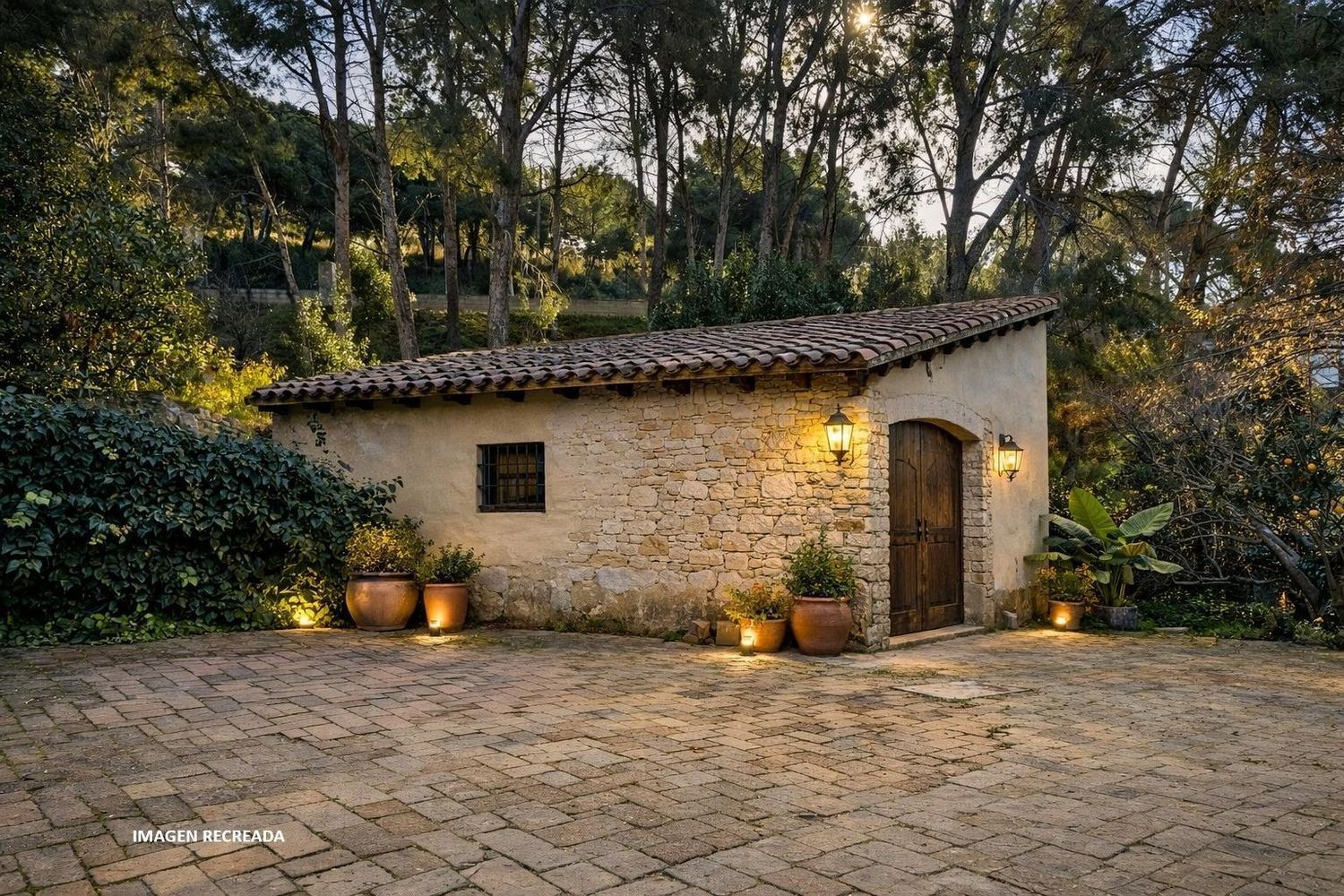
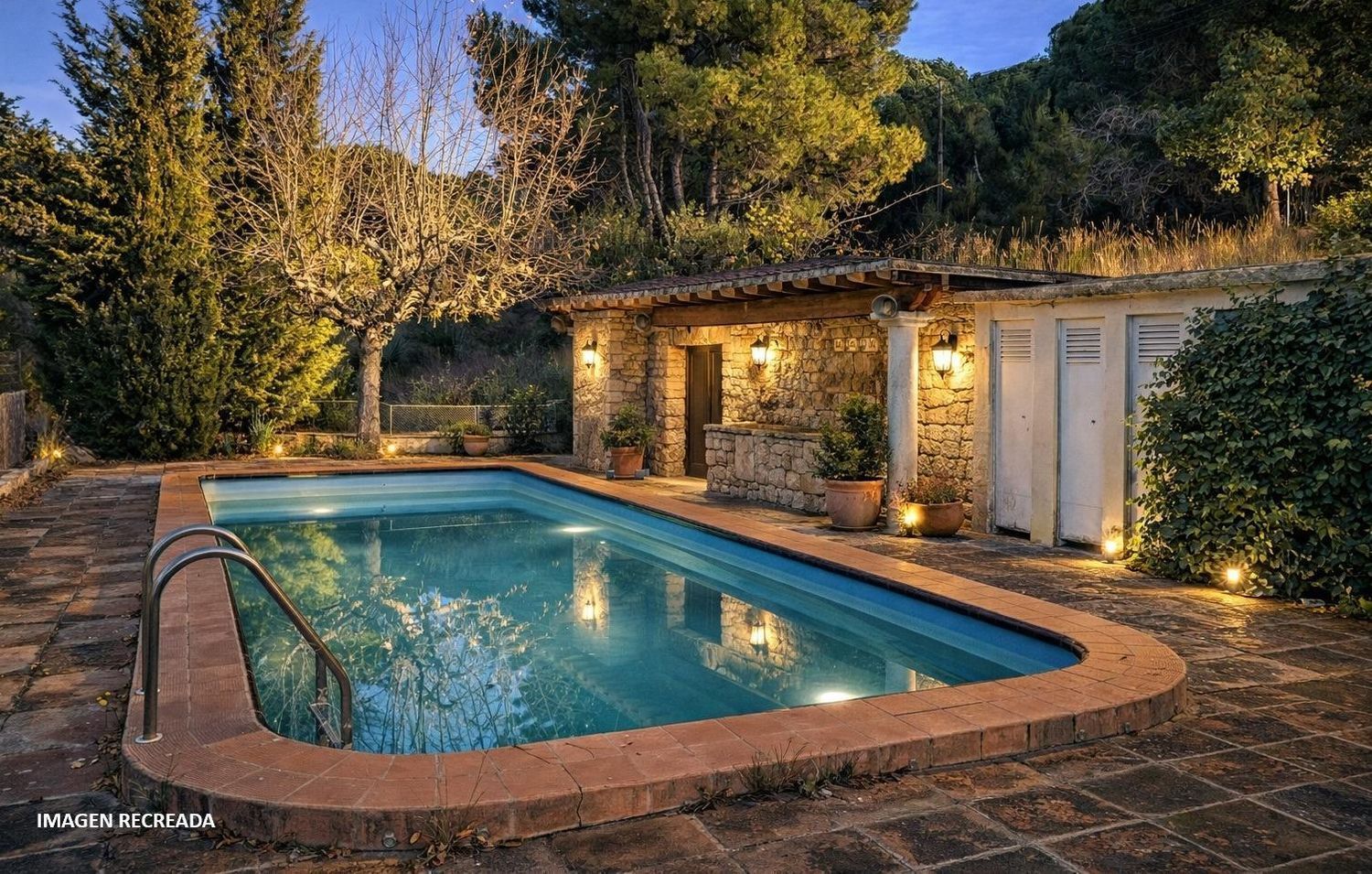
Exclusive Historic Estate with in Teia
Catalonia, Spain
€ 1 800 000
Houses
ID GG_171310
Bedrooms
11
Rooms
6
Bathrooms
The most hot offers by request
Leave a request and we will collect the best options for you
Send request
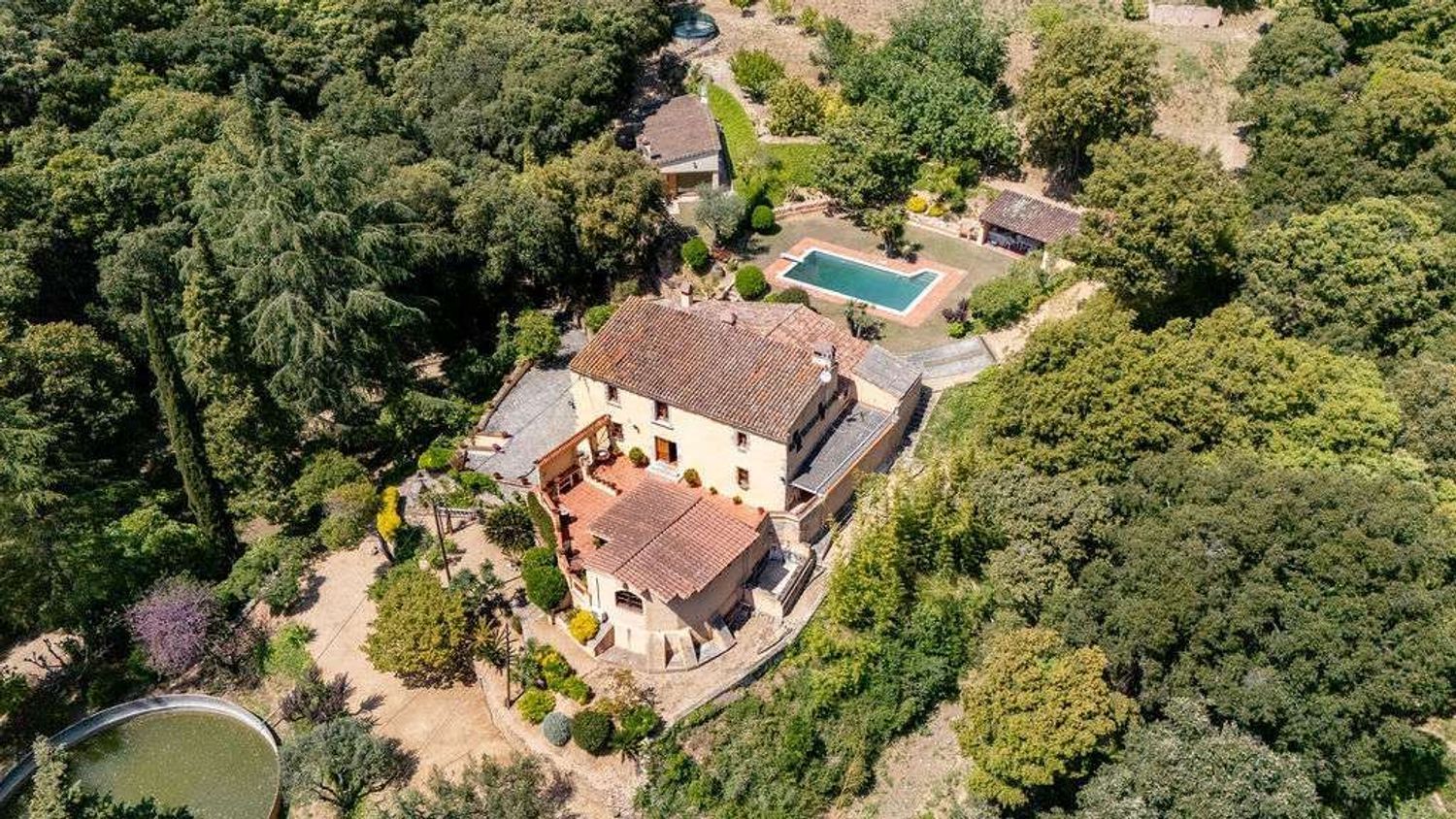
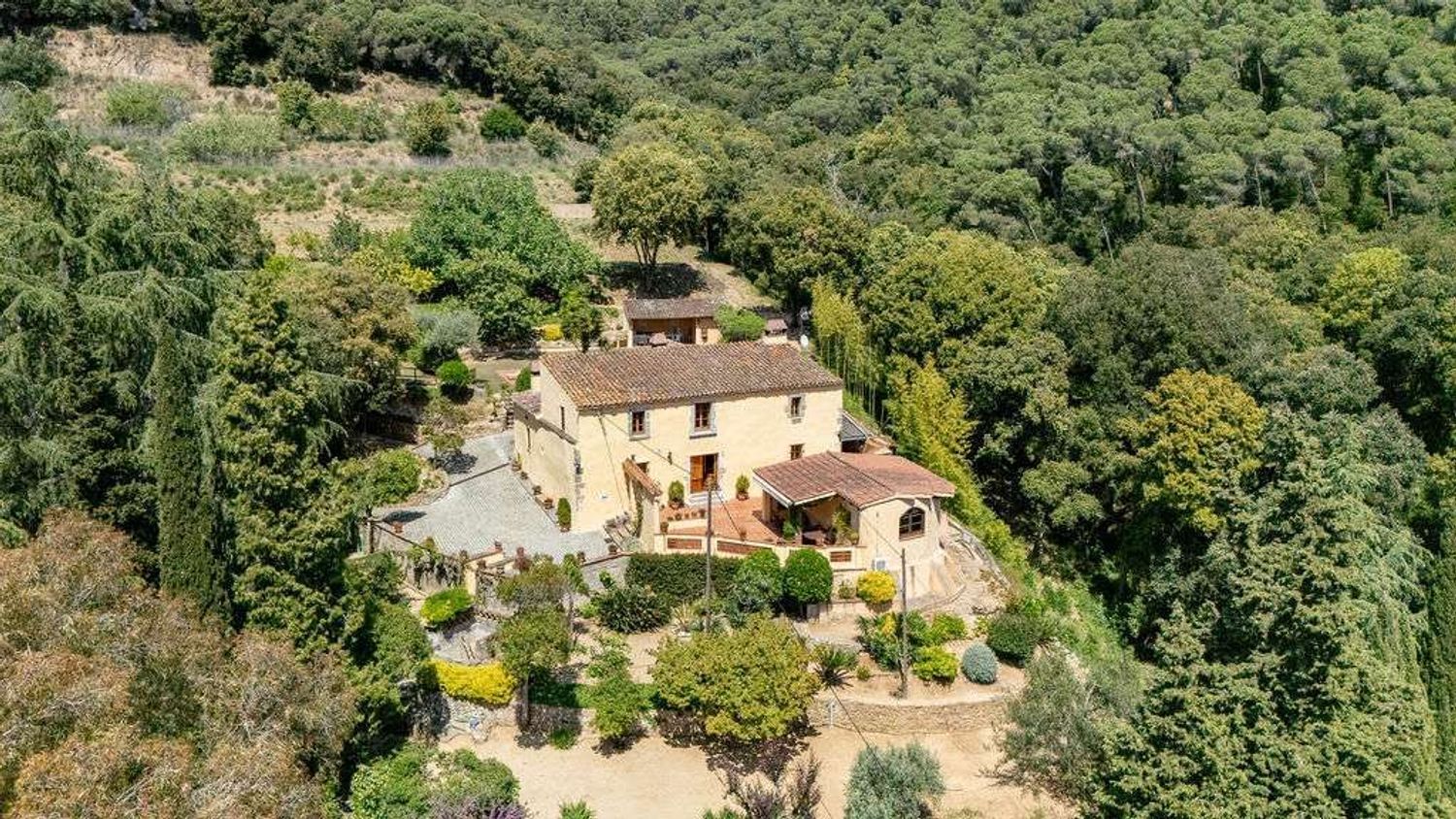
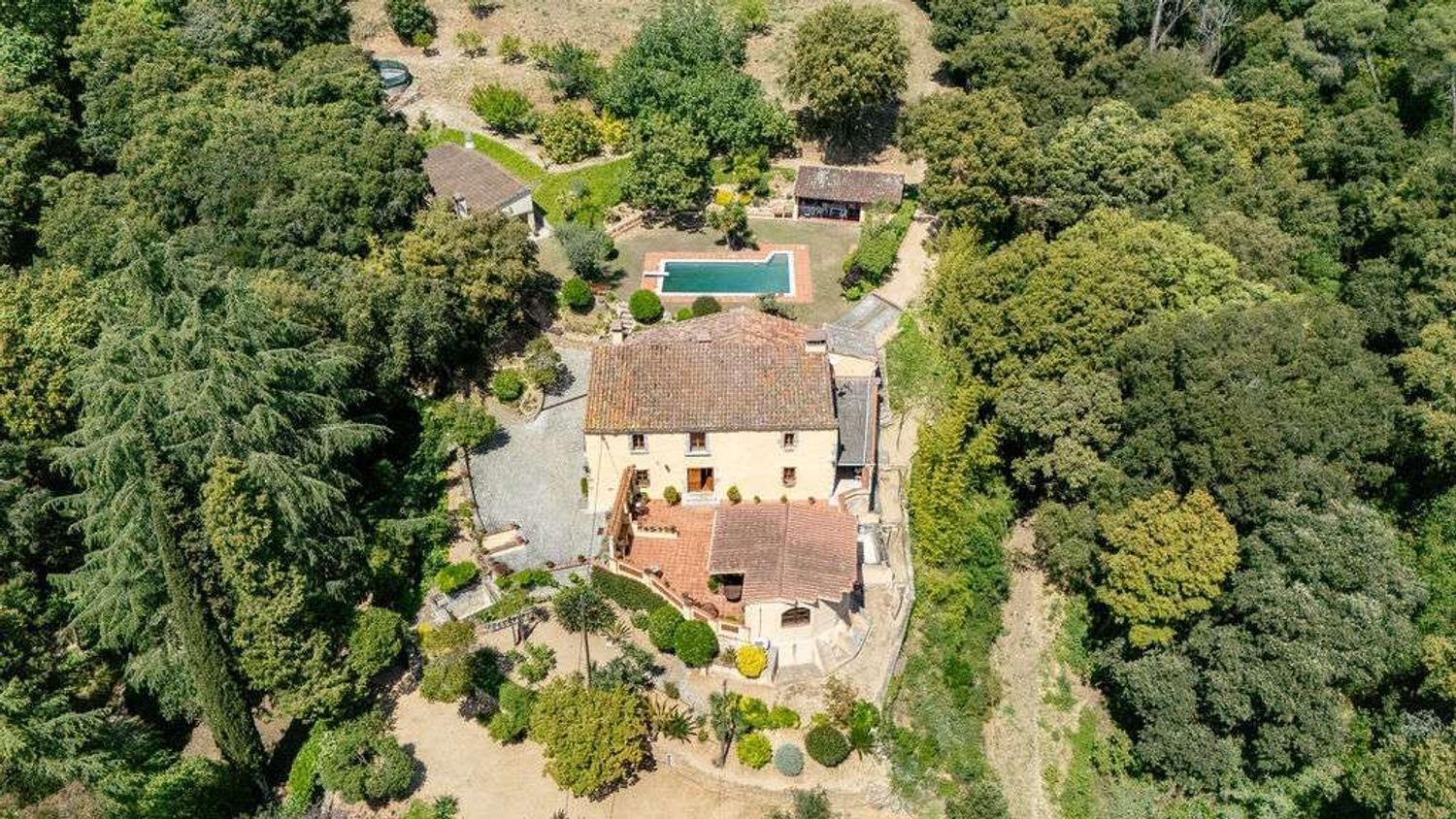
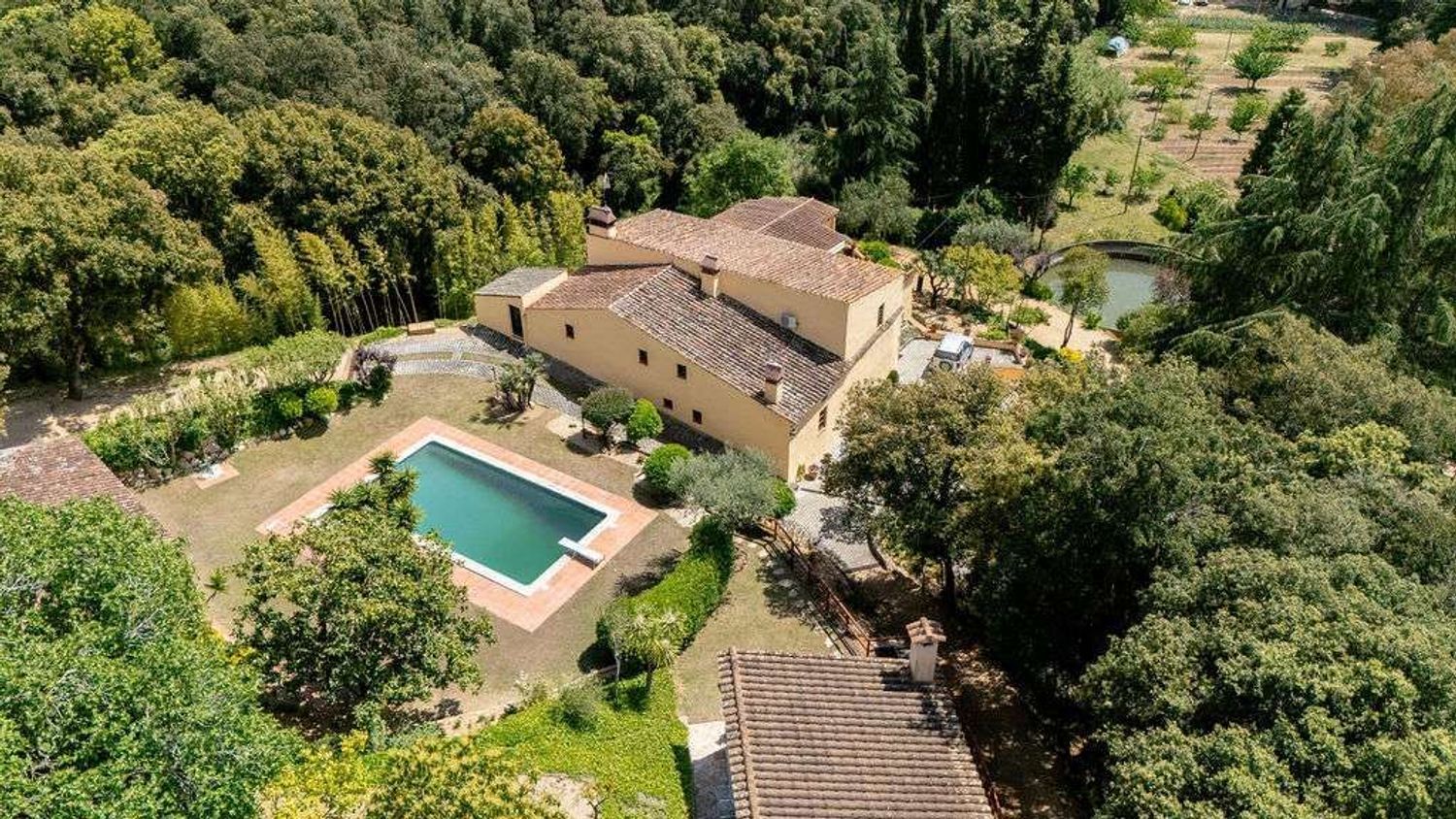
Rehabilitated Catalan Masia with Privacy and Multiple Buildings in the Province of Barcelona
Catalonia, Spain
€ 1 230 000
Houses
ID GG_17208
Bedrooms
9
Rooms
5
Bathrooms
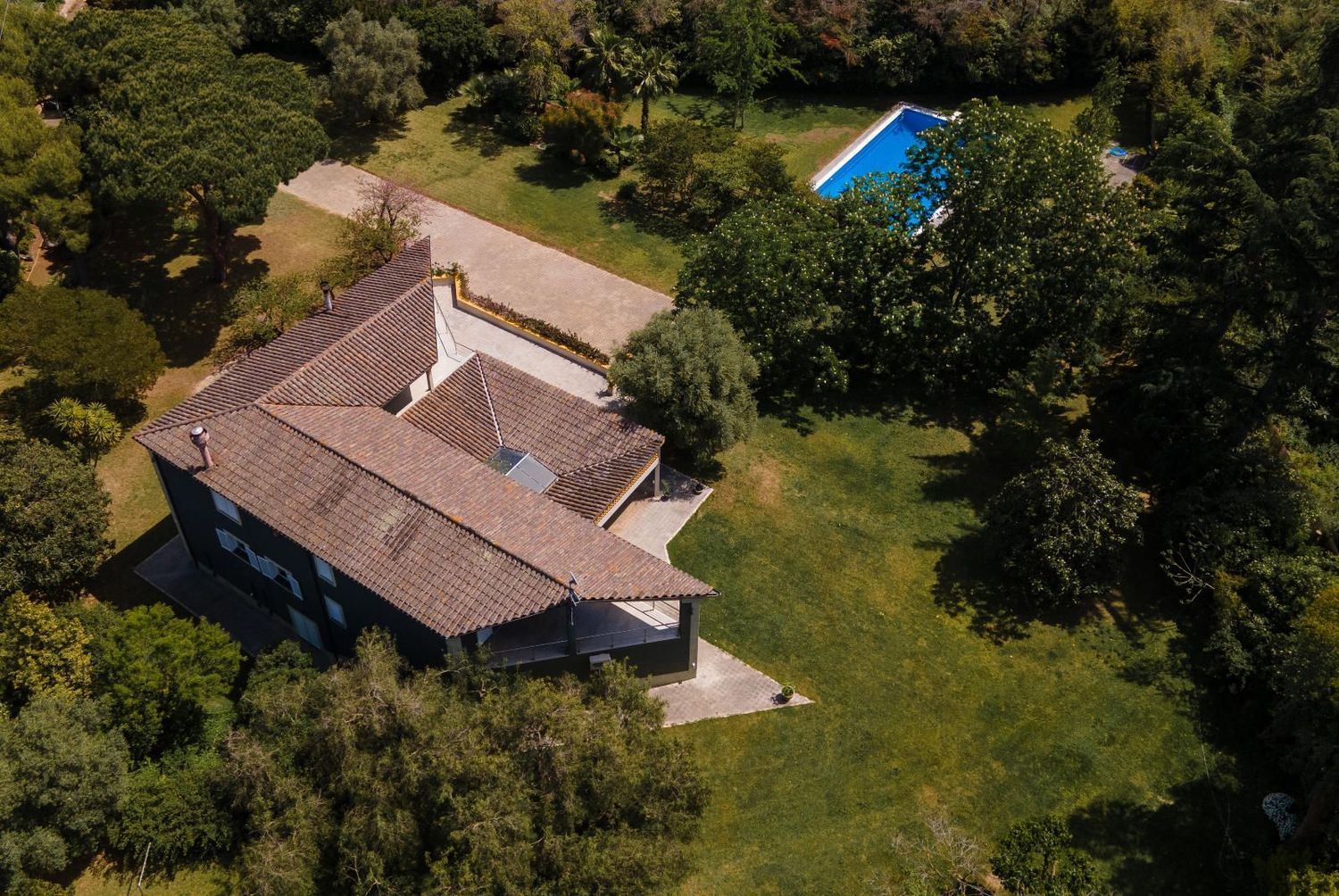
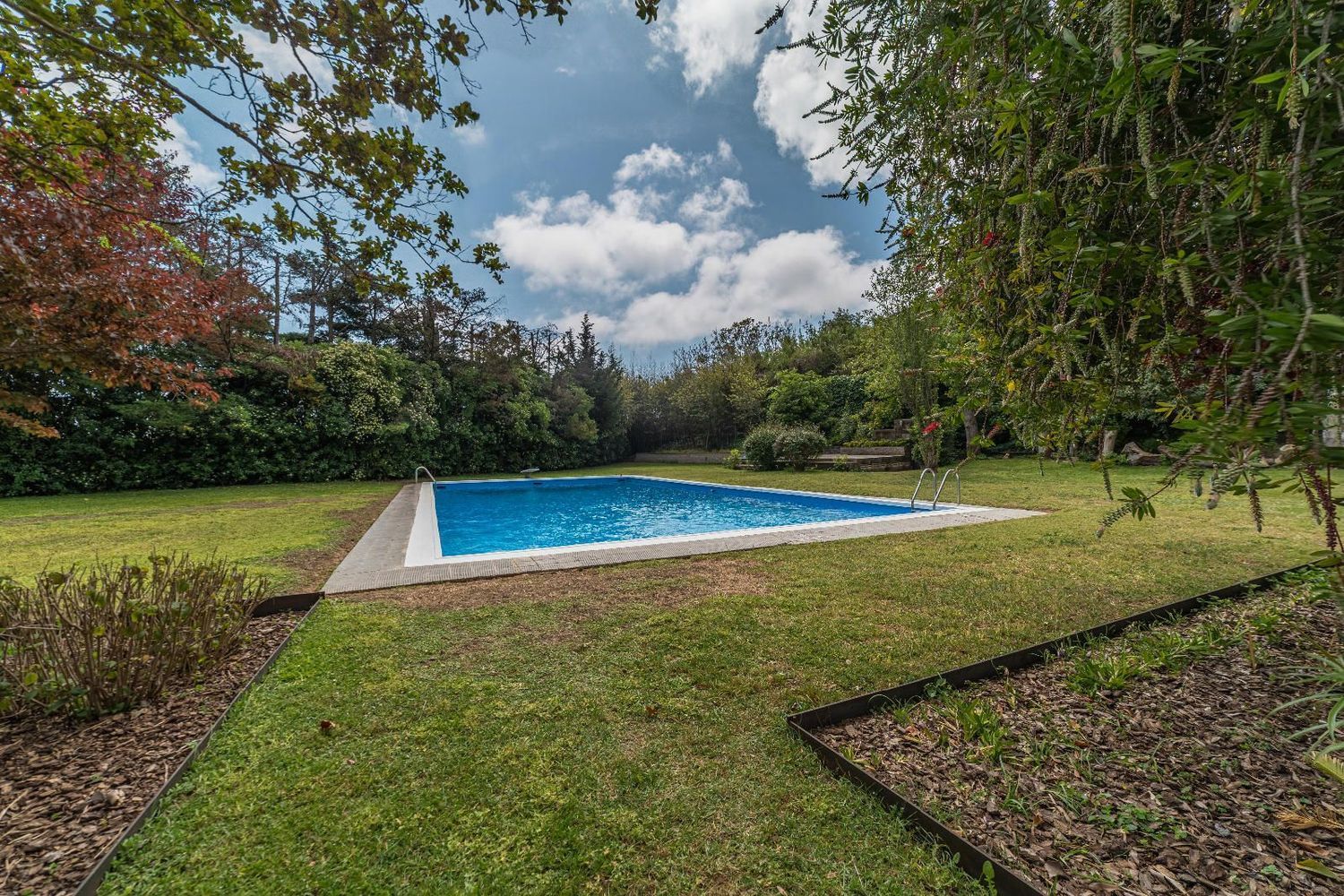
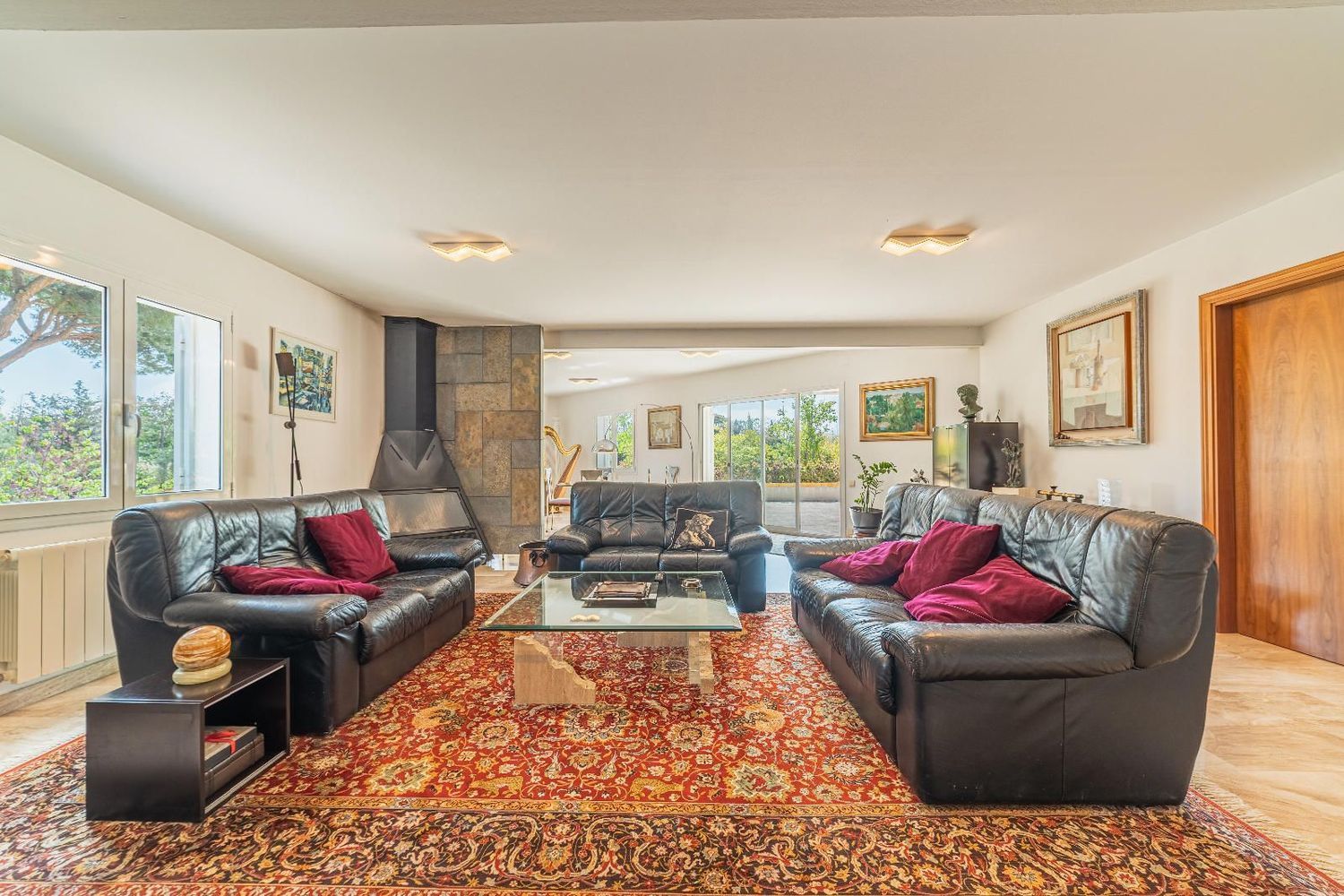
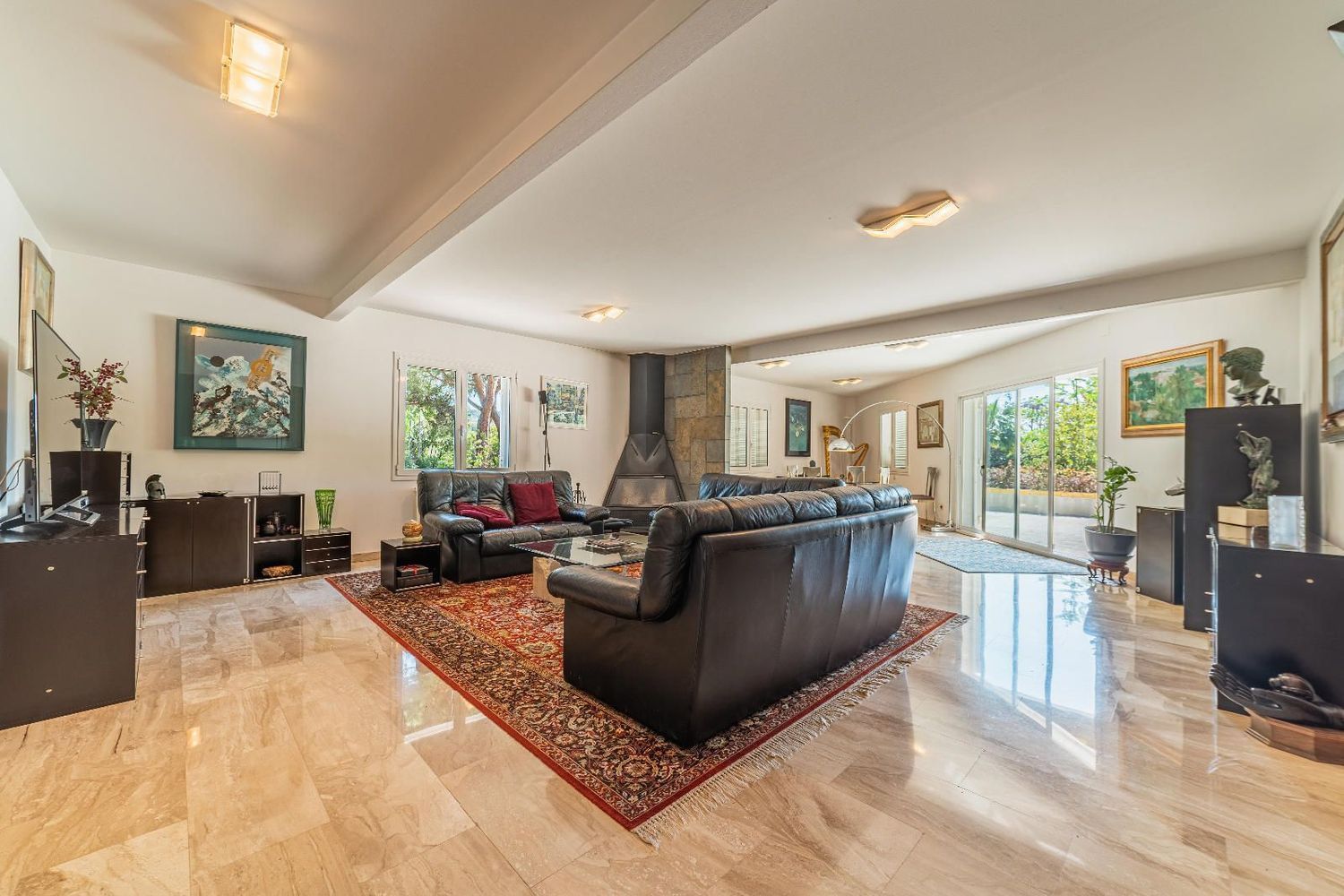
Exclusive Estate with Pool and Complete Privacy in Arenys de Munt
Catalonia, Spain
€ 1 400 000
Houses
ID GG_17195
Bedrooms
6
Rooms
4
Bathrooms
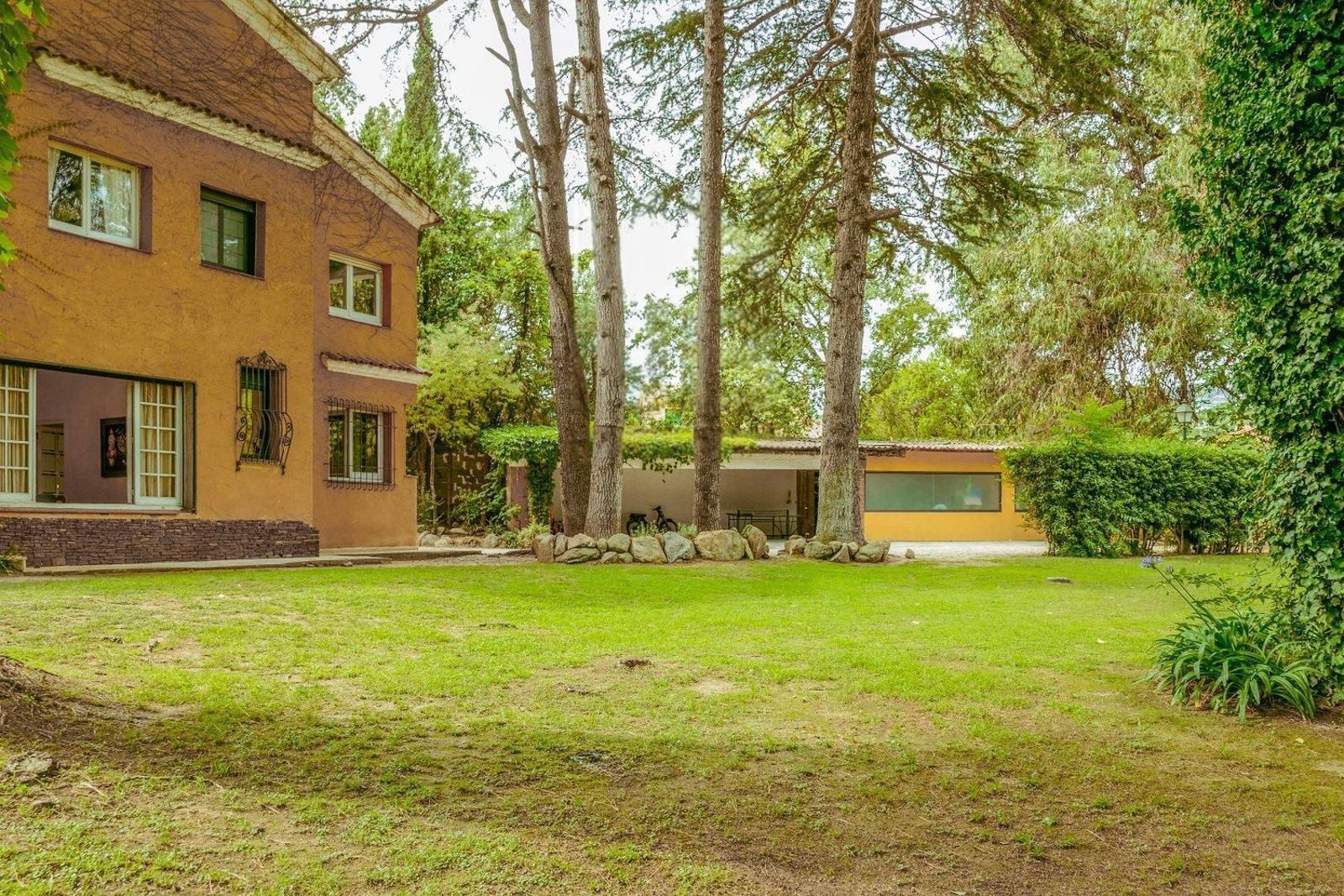
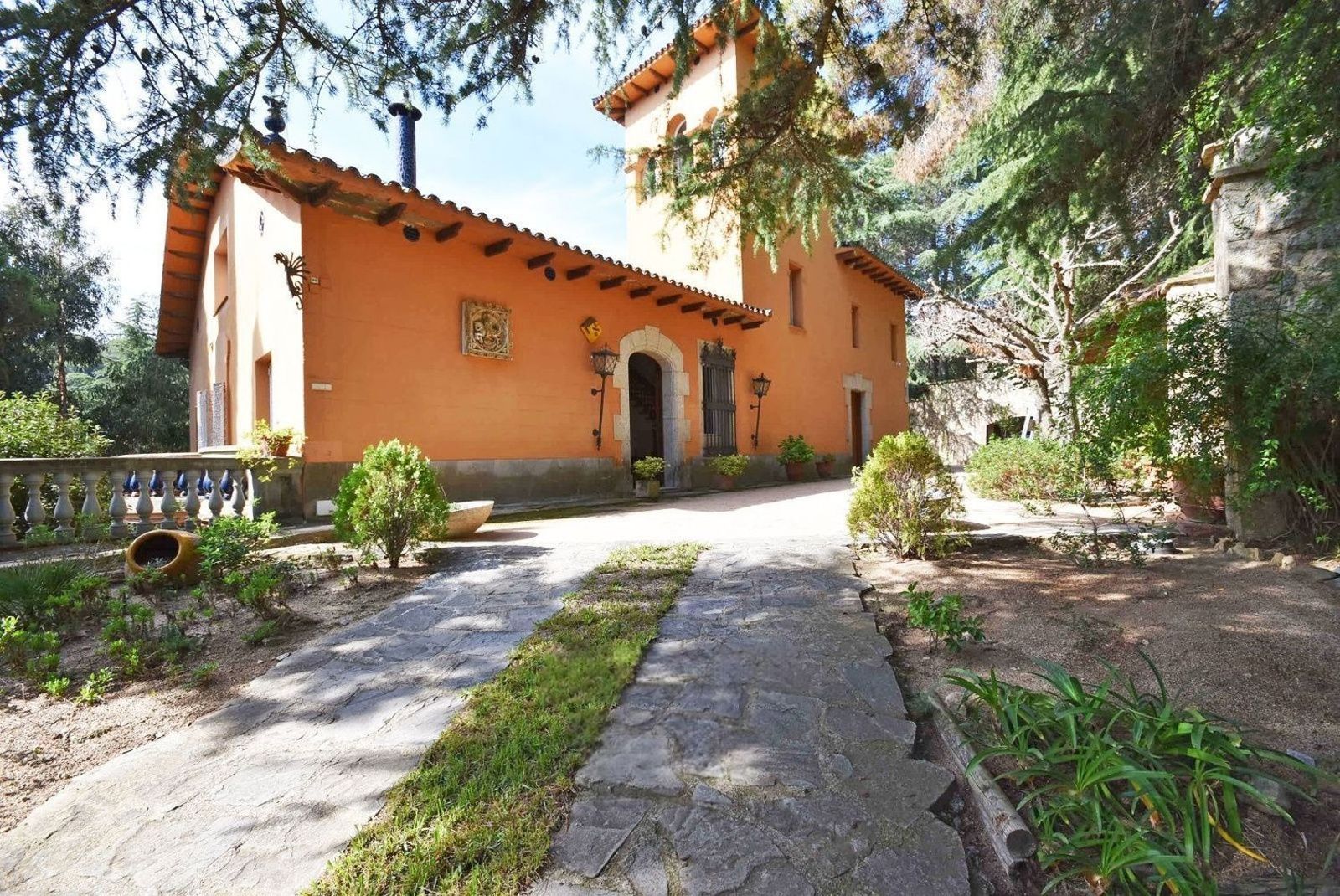
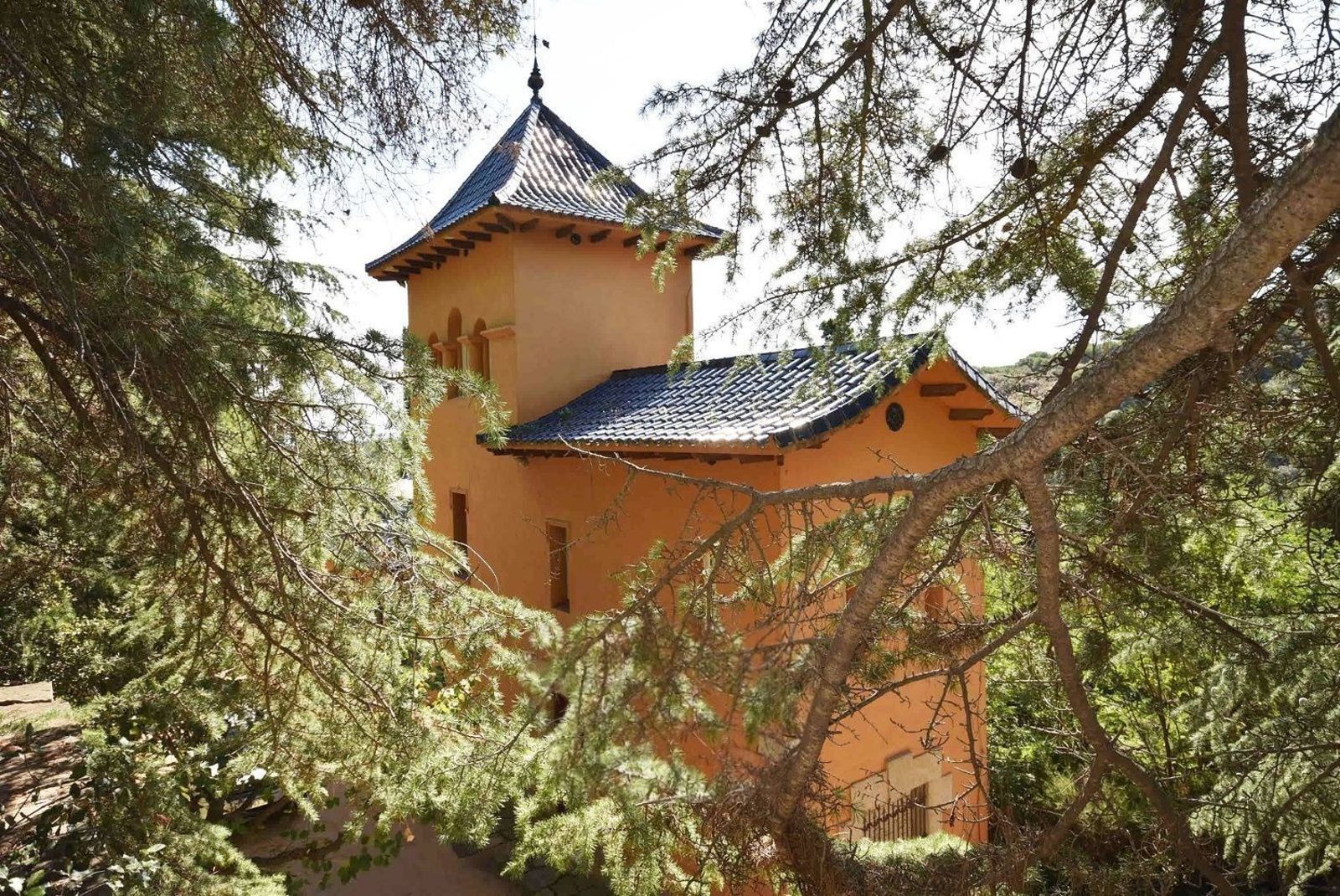
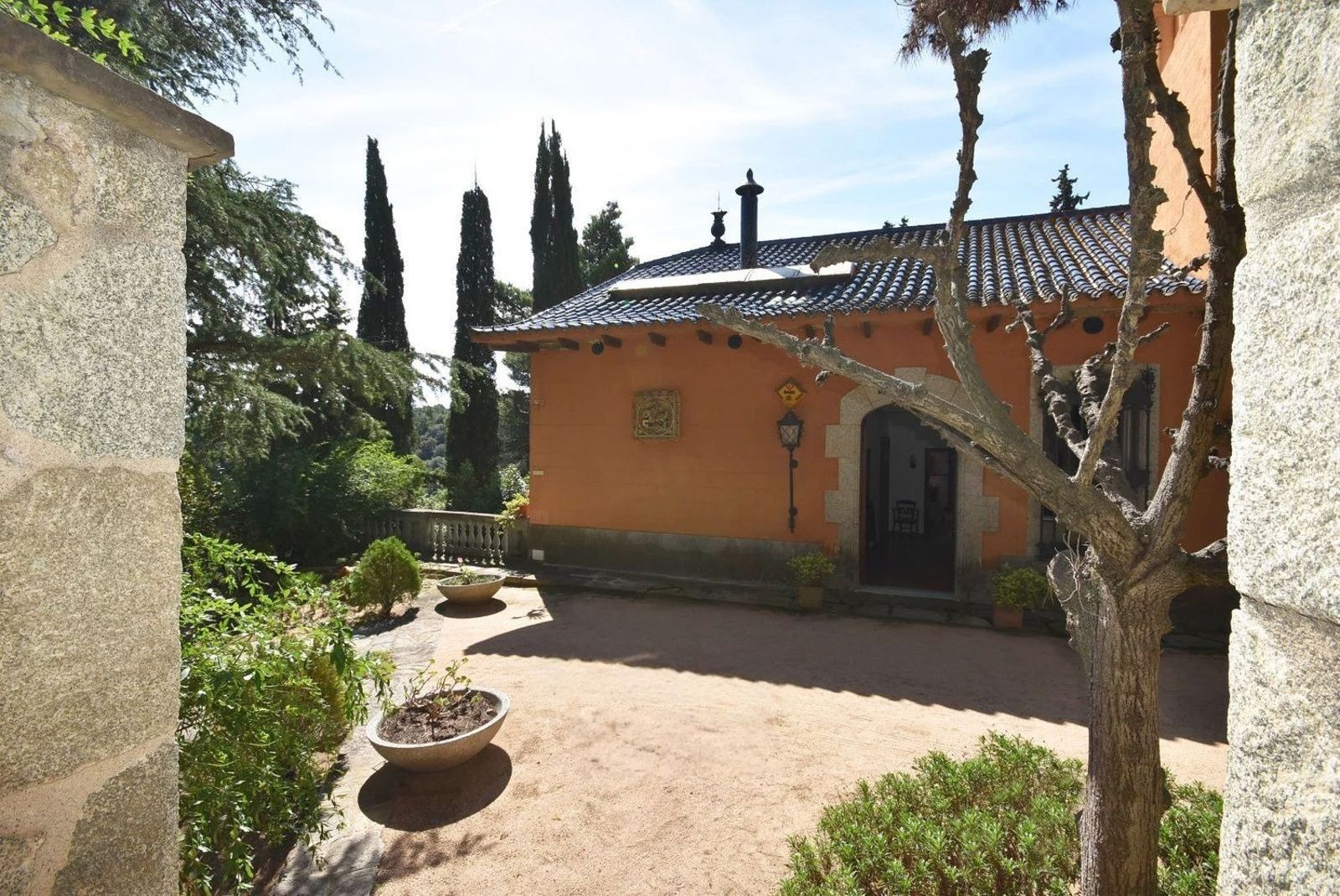
Exclusive Manor Estate with Sea Views in Arenys de Munt
Catalonia, Spain
€ 2 350 000
Houses
ID GG_171812
Bedrooms
13
Rooms
7
Bathrooms
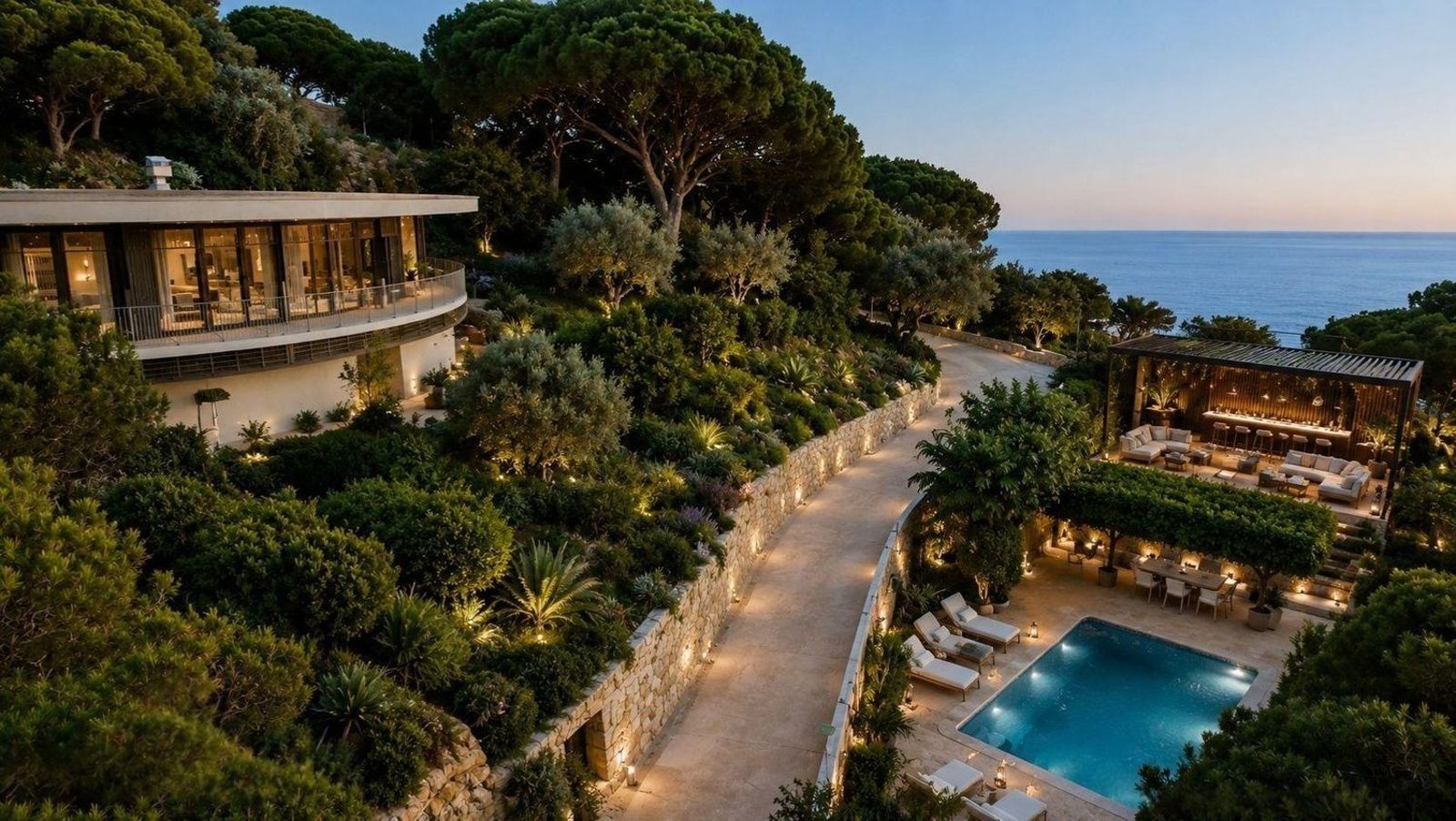
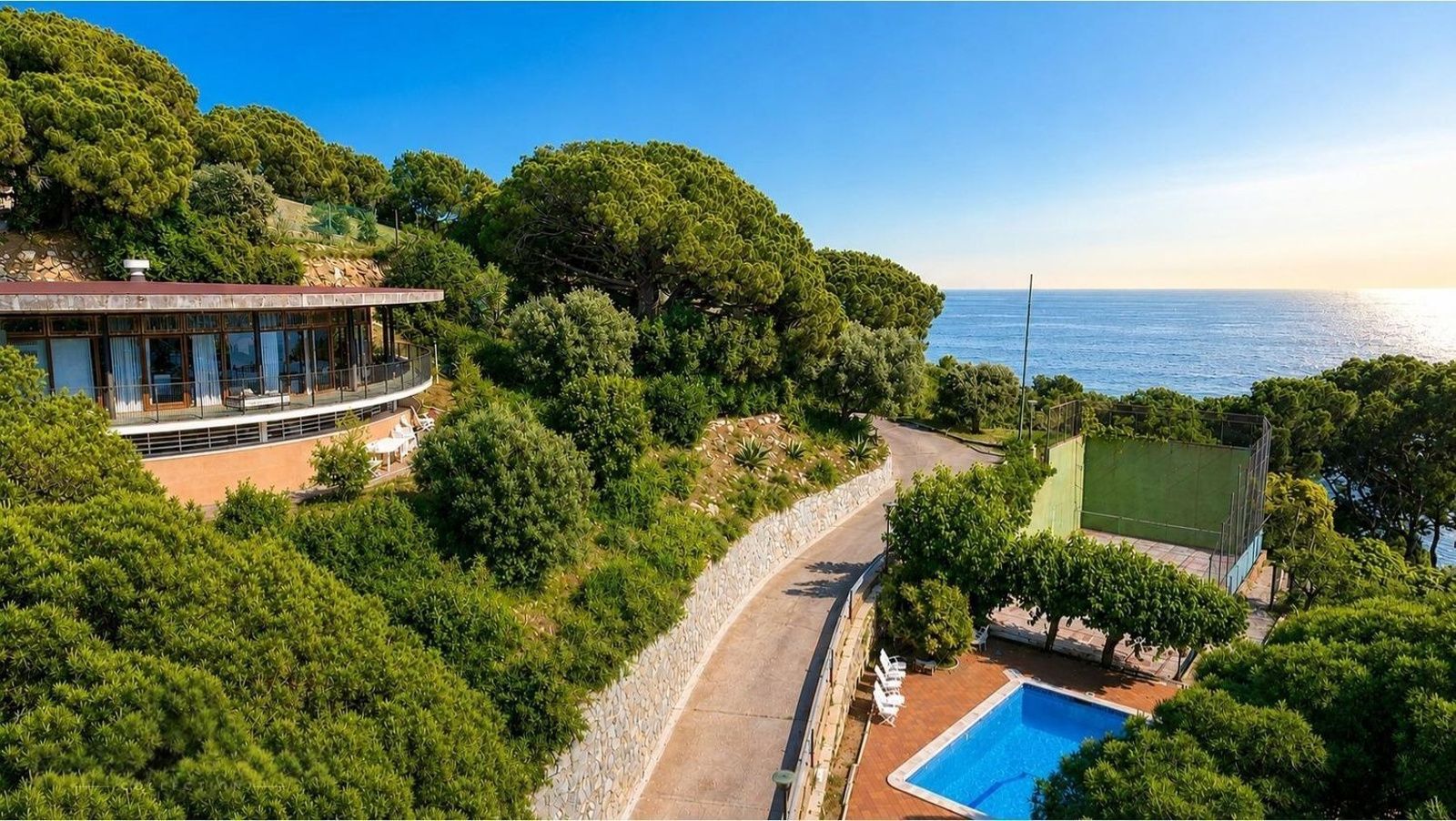
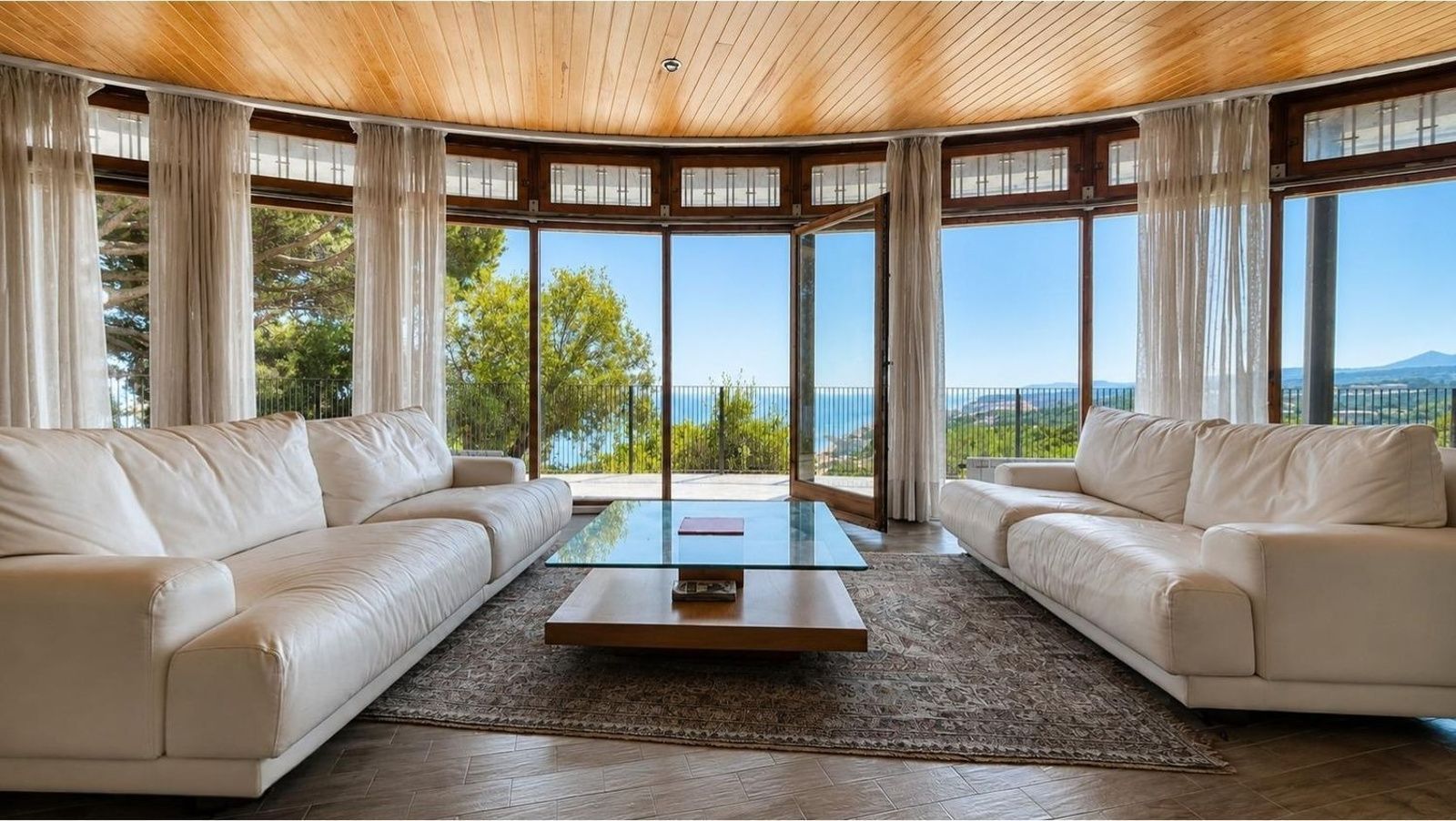
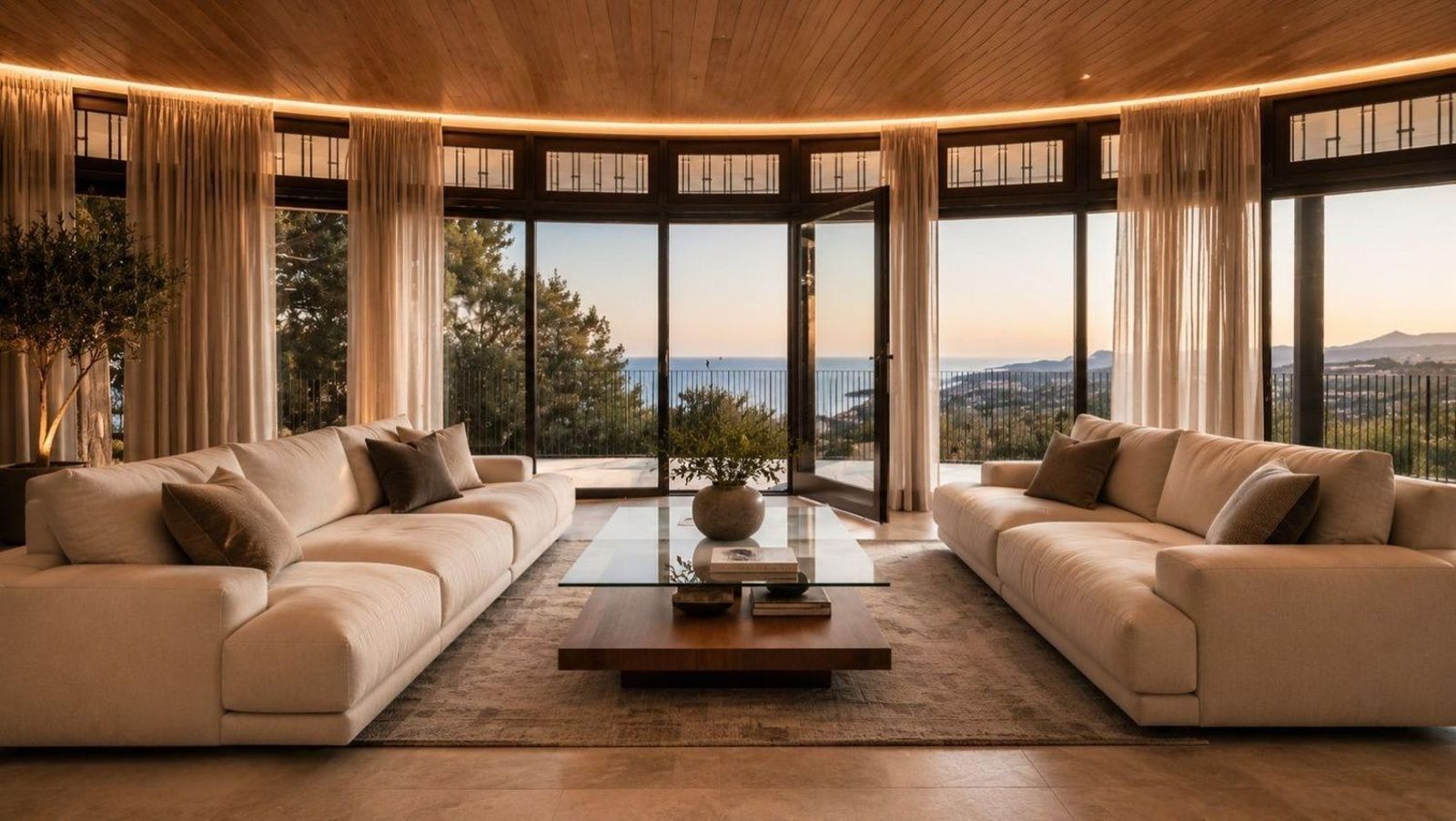
Exclusive Sea View Estate in Sant Pol de Mar
Catalonia, Spain
€ 2 100 000
Houses
ID GG_17085
Bedrooms
6
Rooms
4
Bathrooms
New construction homes Alegria

Check out new buildings from the developer Alegria
New offers of modern apartments on the Costa Blanca in Spain directly from the developer Alegria. Flexible terms of purchase special bonuses from our company.
Go to the catalog

purchase savings
Favorable prices from the builder
We work without intermediaries and commissions. You save on the purchase.
warranty
Clean deal
You acquire a property with a clean legal history and guarantees, which are spelled out in the contract.
we offer
Turnkey property
New buildings "Alegria" are fully prepared for living. You move in immediately after the purchase of housing.
smart home system
Technology and Innovation
You do not have to worry about the quality and safety of housing. New buildings are equipped with innovative climate systems, "smart home" system, waterproofing, thermal insulation, etc.



Why is it worth
buy Villa in
Catalonia
Villas for sale in Catalonia
A villa in Catalonia sits in a price band from €720,000 to €4,950,000, and the selection holds more than 300 of them. The region stretches almost 600 km along the sea, so the same budget buys a coastal house on the Costa Dorada or a modest plot on the pricier Costa Brava.
The supply splits across five zones:
Costa Brava in the north, from Blanes to the French border
Girona and its inland districts
Costa del Maresme north of Barcelona
Costa del Garraf to the south of the city
Costa Dorada at the southern end of the region
Three listings show the spread: a three-bedroom house in Platja d'Aro at €820,000, a four-bedroom villa on the Costa Dorada at €890,000, and a five-bedroom property in Begur at €4,950,000. Each villa for sale in Catalonia comes with its plot size and build year, which matters more here than raw floor area.
The regional catalogue as a whole sits in property in Catalonia — 821 listings from €40,000, of which more than 340 are flats and over 100 are commercial units. The neighbouring houses in Catalonia section covers the same out-of-town format without a compulsory pool or large garden. Nationwide, the search widens through villas in Spain.
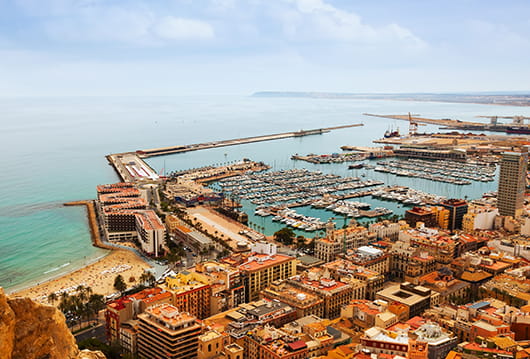
Prices for villas in Catalonia
Villa prices in Catalonia depend on which stretch of coast the house stands on. The gap between resorts reaches twofold, and between the coast and the interior it widens to four.
Coast / town | Price, €/m² |
Sitges, Costa del Garraf | 6,555 |
Platja d'Aro, Costa Brava | 5,565 |
Barcelona city | 5,354 |
Begur, Costa Brava | 4,799 |
Castelldefels | 4,411 |
Roses, Costa Brava | 3,814 |
Lloret de Mar, Costa Brava | 3,154 |
Salou, Costa Dorada | 3,123 |
Palafrugell, Costa Brava | 2,938 |
Catalonia average | 2,591 |
The cost of villa in Catalonia varies sharply even inside a single municipality. In Castell-Platja d'Aro the seafront trades at €5,565 per m² while inland Castell d'Aro sits at €3,244. In Salou the range runs from €2,359 per m² in the Barenys quarter to €3,604 on the Cap de Salou headland. Palafrugell shows the widest spread of all: €2,100 per m² in the town itself against €7,379 in the tiny cove of Tamariu.
Every price appears twice on the site, in euros and in US dollars; the deed itself is drawn in euros.
Budgets below €700,000 are served by other categories:
studios in Catalonia — the cheapest way into the region
penthouse in Catalonia — an upper floor with a roof terrace
duplexes in Catalonia — a two-level layout
bungalows in Catalonia — one-level homes in gated developments
cheap property in Catalonia — listings from €40,000
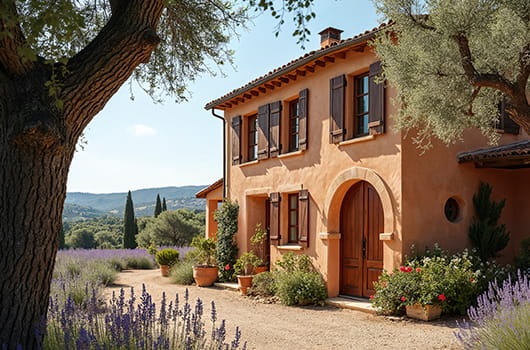
Popular cities for buying a villa in Catalonia
Begur — the top of the Costa Brava market at €4,799 per m². The coves of Sa Tuna, Sa Riera and Aiguablava, with building limited by the terrain and almost no new plots coming through.
Platja d'Aro and S'Agaró — a long sandy beach and hillside villas at €5,565 and €5,510 per m². An hour from Barcelona, 40 minutes from Girona, and the one stretch of the Costa Brava where shops and restaurants stay open all year.
Salou and Cambrils — the Costa Dorada, the most affordable coast in the region. Housing from €3,123 per m², with pool villas starting around €890,000.
Sitges — 35 km from Barcelona and the dearest municipality on this list at €6,555 per m². The choice for buyers who want both a beach and the business capital within reach.
Girona and its surroundings — the option for year-round living: an international airport, a university, a 38-minute train to Barcelona and prices well below the coast.
Roses — a sheltered bay in the far north at €3,814 per m², next to the Cap de Creus natural park, ranging from €3,011 per m² in Els Grecs to €4,906 in Salatar.
Projects still on the drawing board are listed as new buildings in Catalonia, where payments follow the construction schedule.

Advantages of buying a villa in Catalonia
You can buy villa in Catalonia as a foreigner without permits or quotas. Three documents carry the deal: a passport, an NIE tax number and a Spanish bank account.
What the region offers:
two airports, Barcelona El Prat and Girona, plus a high-speed rail line along the coast
600 km of shoreline across four resort areas at different price levels
Pyrenean ski resorts two to three hours from the sea
universities in Barcelona and Girona running English-language programmes
Empordà wine country and the gastronomy that goes with it
Buyers who buy villa in Catalonia for permanent residence tend to choose the belt around Barcelona or the districts near Girona, where schools, clinics and transport work through the winter rather than from May to September. Anyone reluctant to look after a garden and a pool turns to apartments in Catalonia; townhouses in Catalonia land between the two, with their own door and a small yard.
Living costs also differ by province. Girona and Tarragona sit noticeably below Barcelona on housing, which changes the arithmetic for anyone planning to spend the whole year in the region rather than a summer.

Villa in Catalonia for investment purposes
Villas in Catalonia for investment have to be read alongside the tourism rules. Since November 2023 short-term letting in 262 municipalities across the region requires a separate urban planning licence, granted for five years, and the number of tourist units is capped at ten per 100 residents.
That pushes the case towards long lets and capital growth. Spanish residential yield came in at 6.5% for the second quarter of 2026, a year after 7.2%. Long-term rents run at €16 per m² a month in Girona province and €24 in Barcelona, so an investment villa in Catalonia performs very differently depending on where it stands.
Investing in villas in Catalonia means planning for the annual cost of ownership:
tax on rent: 19% for EU nationals, 24% for third-country owners
an unlet house is charged imputed income: 1.1% of cadastral value, 2% on stale valuations
regional wealth tax: the first €500,000 is exempt, with rates from 0.21% to 3.48% above that
upkeep of the plot, the pool and estate security
The wealth tax deserves attention. Catalonia sets its threshold at €500,000 against the €700,000 national figure and applies no regional relief, which makes it one of the stricter regimes in Spain. On a house worth €2 million that becomes a visible annual line, and it is worth calculating before the purchase rather than after.
Where yield matters more than the house itself, commercial property in Catalonia offers a steadier tenant and less seasonality — more than 100 units from €45,000.

Trends and price forecast for villas in Catalonia
The region is rising faster than most of Spain: average housing reached €2,591 per m² in the second quarter of 2026, up 14.08% over the year. The growth covers all four provinces, not only Barcelona.
Transaction costs have risen faster than prices. Buying villa in Catalonia now runs into a progressive ITP scale, in force since 27 June 2025 and applied band by band:
Price band | ITP rate |
Up to €600,000 | 10% |
€600,001–900,000 | 11% |
€900,001–1,500,000 | 12% |
Above €1,500,000 | 13% |
In practice a house on the Costa Dorada at €890,000 attracts €91,900 in transfer tax, while a €4,950,000 property in Begur produces €613,500, an effective rate of 12.4%. New builds fall outside this scale and carry 10% VAT plus 1.5% stamp duty instead.
Credit has gone the other way. Spanish banks issued 40,010 home loans in May 2026 at an average rate of 2.90%, and a non-resident can expect 60–70% of the valuation at 3.2–4.3% fixed.
Supply stays tight. The coastal strip is largely built up, so new plots appear mainly inland in the provinces of Girona and Tarragona, and the price gap between the first line and the second row keeps widening.
The selection covers all four coasts of the region and the inland districts, with verified paperwork on every house and prices kept current. One consultant runs the deal from the first viewing through the NIE and the legal checks to the signature at the notary.
Yes. Spanish law sets no restriction by nationality and no quota on foreign ownership. A passport, an NIE and a local bank account are enough, and a power of attorney covers the signing if you cannot travel.
The Costa Brava suits seasonal use and the upper price bracket, the Costa Dorada works for tighter budgets, and the belt around Barcelona and Girona is the practical choice for living here all year.
Yes, the number is compulsory. It is issued by a Spanish consulate before you travel or by a police station once you are in the country, and the process takes one to two weeks. No number means no deed, no bank account and no tax payment.
Three groups of buyers:
• those who want the sea and a major city together, with two airports within reach
• families moving under the passive income route: €2,400 monthly for the applicant, €600 for each relative
• investors betting on scarcity, since the coastal strip is built up and new plots are rare
Yes. The region added 14.08% over the year and average housing reached €2,591 per m². The cheapest villa in the selection stands at €720,000, and the range runs to €4,950,000.
Two to three months on average. Most of that time goes on the NIE, the legal survey of the plot and the buildings, and the bank's decision on a mortgage. A cash purchase can be closed in four to six weeks.
The case rests on long lets and capital growth rather than holiday income. Prices are climbing about 14% a year, the shoreline is built up and few new villas reach the market, which supports resale values.
Long lets bring €16 per m² a month in Girona province and €24 in Barcelona. Short-term letting is possible only with an urban planning licence, granted for five years and required in 262 municipalities across the region.
Three to consider: the restrictions on short-term letting, the wealth tax with its €500,000 threshold, and the higher ITP rate on expensive houses, which reaches 13% above €1.5 million.
Yes. Banks stop at 60–70% of the valuation, with a 20-year cap and a fixed 3.2–4.3%. The remaining 30–40% and the transaction costs come from your own funds, and the bank will ask for proof of income and two to three years of tax history.
Resale housing carries a progressive ITP of 10% to 13%, charged band by band on the price. A new build attracts 10% VAT and 1.5% stamp duty instead. Notary, land registry and legal fees add a further 1–2% of the purchase price.
Begin your search in the catalogue: choose the coast, the budget and the number of bedrooms, and we will draw up a shortlist and arrange the viewings in a single trip.
Customer reviews
We invite you to the webinar
What happens next? - Property in Spain Vs. Coronavirus
Thanks for reaching out!
Expect communication with an Alegria specialist.

ALEGRIA
Thank you!
We will contact you to agree date and time.ALEGRIA
Thank you!
As soon as we have verified the payment, we will contact you to confirm the payment. Reserve a consultation from an expert for obtaining services
We will contact you within 15 minutes of your message.
Reserve a consultation from an expert for obtaining services
We will contact you within 15 minutes of your message.
Your consultant:

Ksenia Dolhoshenko
Consulting manager
ALEGRIA
Leave your contact information
Our manager will contact you soon

Anna Zakharenko
Manager-adviser
It´s our 9th birthday!
11% discount on new-built property
from Alegria developer
To celebrate our birthday we have a special offer – 11% discount on new-built apartments in Alegria 10, Alegria 12, Alegria 14 residential complexes
he promotion is valid until 15.10.2020 Learn moreAVISO LEGAL
Allow use:
Política de privacidad
Allow use:
Política de privacidad redes sociales
Allow use:
08.11.2025
Great experience when selling my property thanks to Alegria and top agent Miguel Gonzalez. Trust and professionalism...
Read full review26.06.2025
Manuel de Alegría Real Estate es un profesional muy simpático, atento y realista. Transmite confianza y tiene una forma de trabajar empática y responsable, lo cual marca una gran diferencia en la atención. ¡Lo recomiendo!...
Read full review15.12.2024
We came in contact with Alegría in 2021 when we were looking for an apartment to replace our previous one in Torrevieja. To begin with we were looking at apartments listed on the aftermarket but ended up with buying a new apartmen...
Read full review14.08.2024
Jessica and Pablo were incredibly professional. Thanks to them we had a great apartment and Jessica is very careful with our documents and gave us a lot of good advice. We will definitely go through them for our next purchase. Tha...
Read full review17.10.2022
My family is new to Spain and an experience of buying a property in a foreign country could be far from pleasant to say the list. It is hard to say for the entire team of Alegria but we are fortunate to had Andrey Samylin and Tati...
Read full review