TL;DR:
- Who chooses them: families, remote workers, specialists working in the Madrid metropolitan area, and buyers looking for property for permanent residence.
- What to check: transport to work, infrastructure, schools, healthcare, property prices and rental costs.
- Commute time: depending on the town and time of day, the journey by public transport to central Madrid takes from 20 minutes to 1 hour.
- Cost: the article provides reference prices for the resale market and long-term rentals in Madrid suburbs for 2026.
- Risks: less active nightlife, some services may be located farther away, and in some cases there may be dependence on a car.
Madrid is not only the capital of Spain and its commercial, administrative and cultural center, but also one of the most expensive cities in the country. In the Castellana area – the most expensive and prestigious one – the average price of resale housing has reached €13,000/m2. However, to work in Madrid and enjoy all the conveniences and advantages of a modern metropolis, it is not necessary to live within the city limits. The capital is surrounded by suburbs, many of which offer excellent options for living.
Pros and cons of living in Madrid suburbs
Living outside the municipality has many advantages, the main one being a higher quality of life. The key advantage is much cleaner air and a lower level of noise and light pollution. Madrid suburbs always mean more calm and privacy, as well as proximity to green areas, natural spaces and parks that are ideal for relaxation and an active lifestyle. In addition, many suburbs have excellent transport connections, allowing residents to reach the center of the capital quickly. Therefore, if you want to live near Madrid, but in more comfortable conditions and with lower economic costs, the nearest satellite towns and settlements will be an excellent choice.
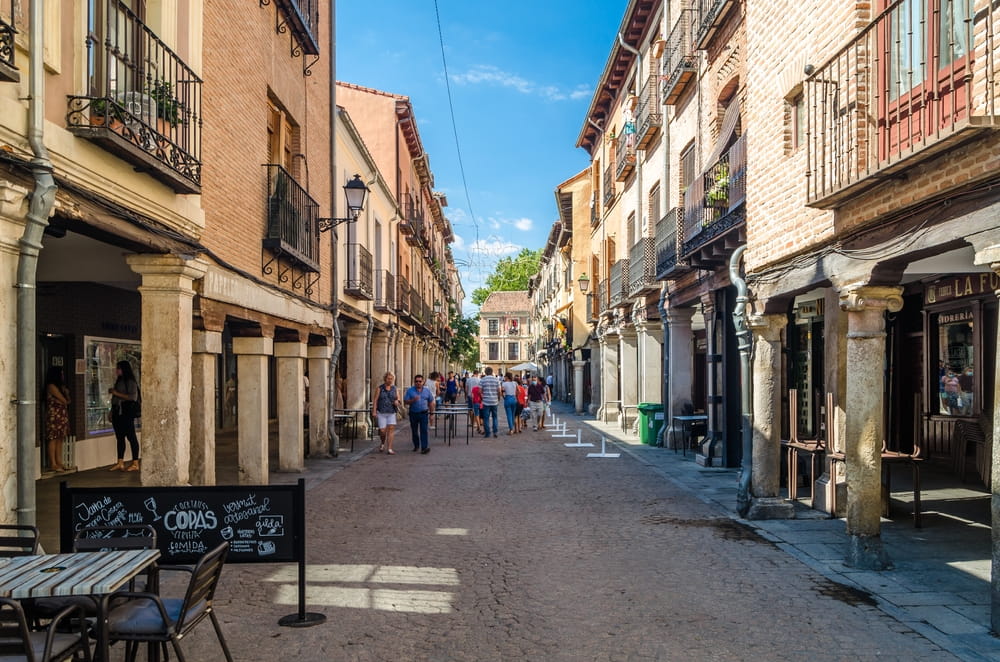
Main advantages and disadvantages of living in Madrid suburbs
Every town or district has its pros and cons for living. Of course, if we look at each family’s situation separately, the list of advantages and disadvantages will vary depending on individual preferences, income level, age, the presence or absence of children, and many other factors. In general, the main arguments for and against living in Madrid suburbs are as follows:
Advantages:
- a lower price per square meter makes it possible to buy a more spacious home for the same money that would be spent on a small apartment in Madrid;
- more affordable long-term rentals, both in terms of price and availability of options;
- a calm atmosphere;
- less tourist activity;
- no city traffic jams;
- proximity to nature.
Disadvantages:
- less active nightlife and cultural life;
- some specialized services may be located farther away;
- in some cases, dependence on a car may arise.
Planning to buy property near the capital? Browse current listings in the property in Madrid section or request an individual selection by budget, area and property type.
Best suburbs of Madrid
The list of the best suburbs of Madrid includes municipalities that meet several requirements at once: travel time to the capital, level of educational and medical infrastructure, property prices, environmental conditions, leisure opportunities and safety level.
Top 3 best suburbs of Madrid
The list of the best Madrid suburbs for living includes San Lorenzo de El Escorial, Alcalá de Henares and San Sebastián de los Reyes.
San Lorenzo de El Escorial, or simply El Escorial
El Escorial is a municipality located near the Sierra de Guadarrama mountain range, about 55 km from the center of Madrid. It is home to the famous monastery – an outstanding architectural and artistic complex built by order of King Philip II in the 16th century and now one of the main attractions of central Spain. Since 1984, the monastery has been included in the UNESCO World Heritage List.
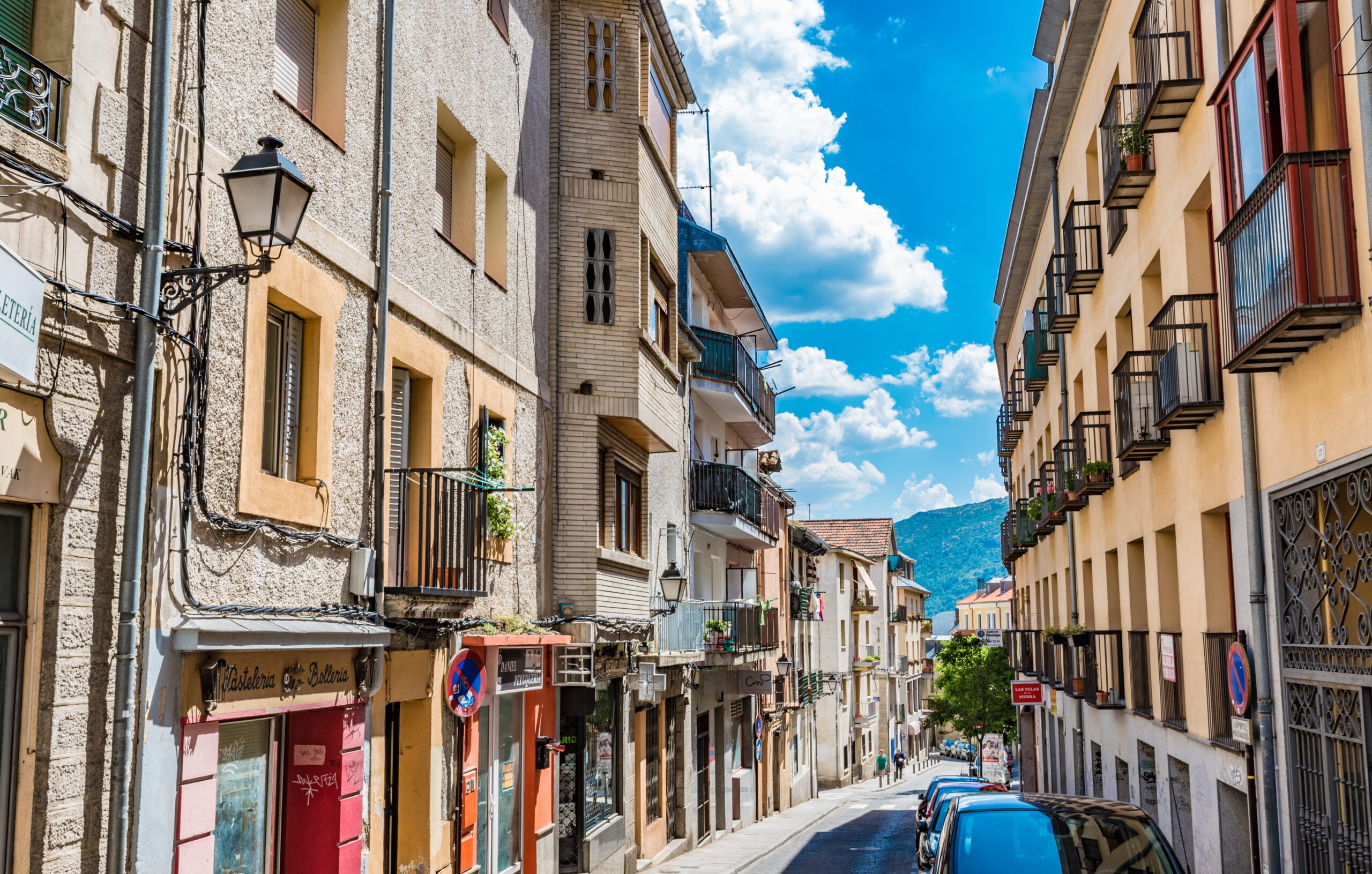
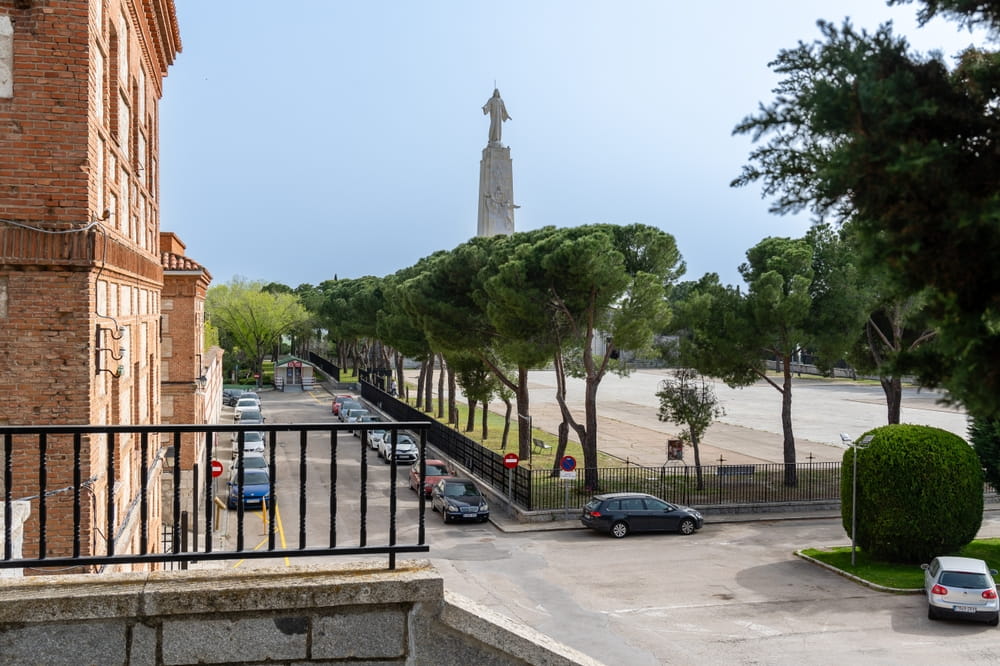
Life in El Escorial is calm and close to nature: located among mountain landscapes, the town is very green, with many parks, gardens and forest areas. The climate here is continental Mediterranean, with cold winters and hot summers. El Escorial has a direct rail connection with Madrid via the Cercanías Renfe commuter train network, with routes to Atocha and Chamartín stations. It is an excellent option for those who value comfort, silence and nature, while not wanting to lose convenient access to the capital. The town also offers a rich cultural, sports and gastronomic life. Festivals, fairs, exhibitions, concerts and sports events are regularly held here.
- The average price of resale property is around €2,700/m2, and the long-term rental price is around €14/m2.
Alcalá de Henares
Alcalá de Henares is another city with a rich history. It stretches across the Henares River valley, 27 km from Guadalajara and 31 km from Madrid. In 1998, the city was included in the UNESCO World Heritage List. Thanks to its historic center and university, Alcalá de Henares is considered one of Spain’s nine unique cities.
Alcalá de Henares is called the “city of knowledge”. According to the municipal authorities, this name is connected with the fact that it is a city of three cultures, where the university environment creates a special spirit and supports a youthful and dynamic atmosphere. Until recently, the city housed the headquarters of the Cervantes Institute, and today the historic building of the Royal College, Colegio del Rey, is the headquarters of the Association of the Spanish Language. This is also where the house in which Miguel de Cervantes was born is located, as well as one of the two magisterial cathedrals in the world – the Cathedral of the Holy Children, where the relics of the child martyrs Justus and Pastor are kept and where organ music concerts are regularly held.
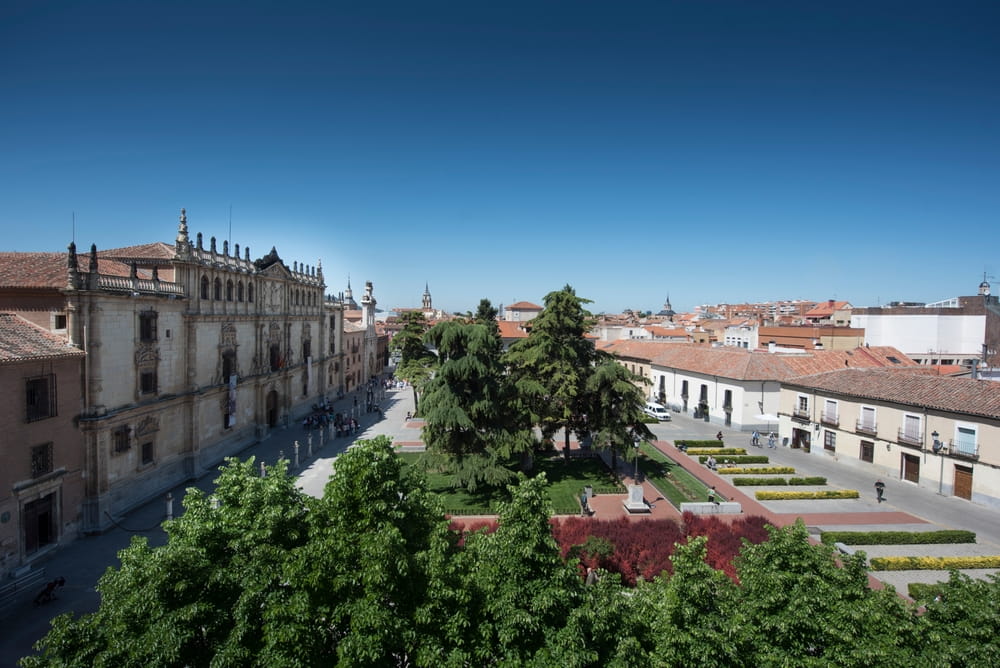
The city is also known for its gastronomy: here you can try traditional tapas, while numerous restaurants carefully preserve local culinary traditions. A rich cultural life, developed infrastructure and convenient connection with Madrid make Alcalá de Henares an excellent choice both for families and young professionals. Trains run to Atocha and Chamartín stations, and intercity buses also connect the city with Madrid’s central bus station on Avenida de América.
- The average price of resale property is around €3,130/m2, and the long-term rental price is around €15.9/m2.
San Sebastián de los Reyes
San Sebastián de los Reyes is another old municipality, founded back in 1492. It is located about 20 km north of Madrid and is a town that carefully preserves its traditions. The service sector is well developed here, many cultural and sports events are held, and there are natural areas for recreation. The historical and artistic heritage of San Sebastián de los Reyes includes the Ethnographic Museum, the Church of San Sebastián Mártir, the Monastery of the Discalced Carmelites and the Chapel of Santísimo Cristo de los Remedios. There are also municipal libraries, the Adolfo Marsillach Theater-Auditorium, a municipal business center and a youth center.
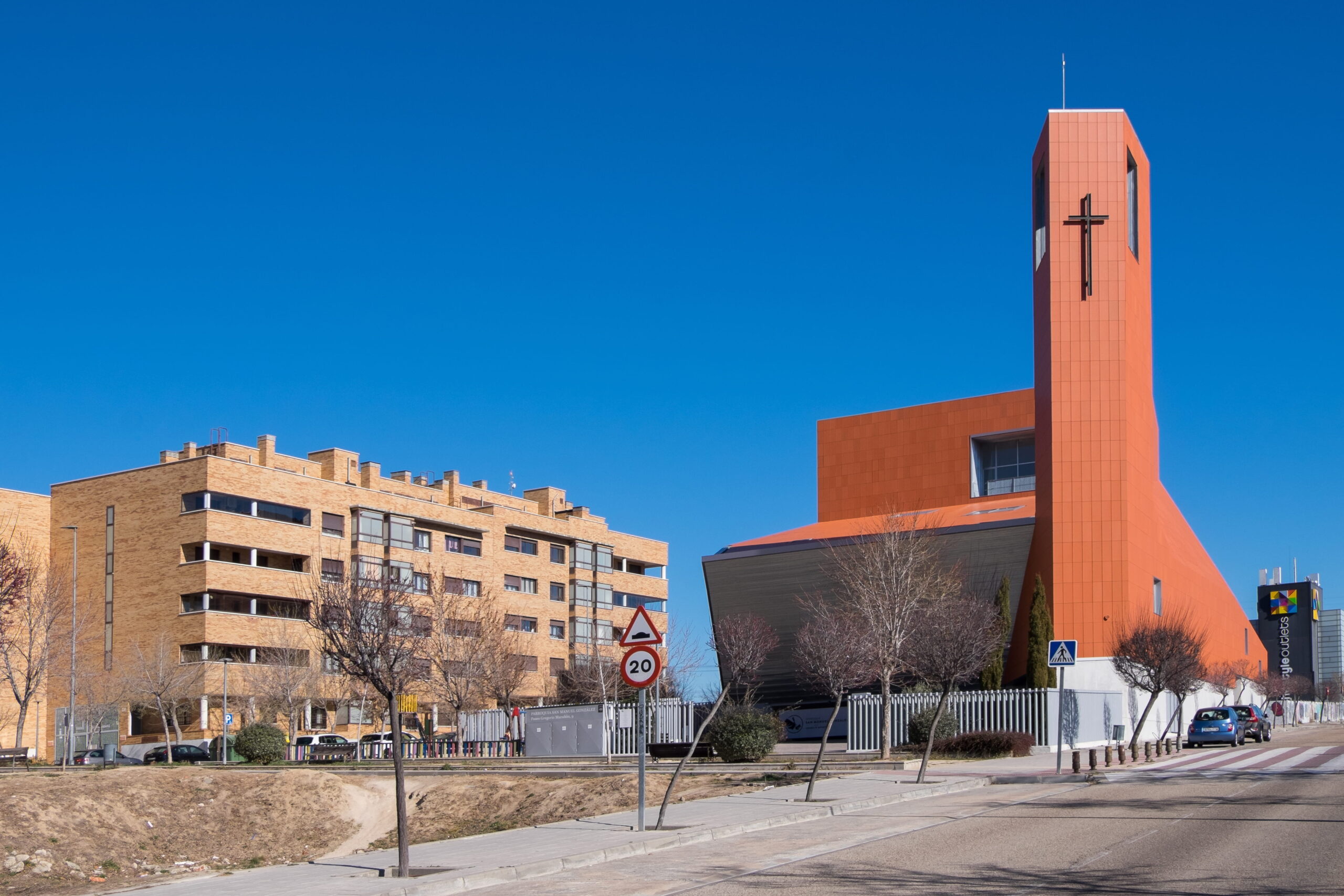
The town is surrounded by green areas, including the protected natural area of La Dehesa, which is part of the Cuenca Alta del Manzanares Regional Park. Here you can go hiking, cycling and horseback riding. There are also large shopping centers. San Sebastián de los Reyes is a very convenient option for families who need access to schools and medical centers, as well as the opportunity to reach Madrid quickly. Transport connections include a metro line, commuter trains and intercity buses.
- The average price of resale property is around €4,250/m2, and the long-term rental price is around €20.7/m2.
Convenient and comfortable suburbs of Madrid
In addition to the cities described above, filled with history and culture, there are several more excellent places to live around Madrid:
- Cercedilla is an ideal option for lovers of outdoor activities and mountain hiking. Cercedilla is the most famous mountain village in the Madrid area. It is connected with the capital, located about 60 km away, by the Cercanías commuter train line. The infrastructure is well suited for families ready to live in a less urbanized environment, with schools, medical centers, supermarkets, sports centers, etc., as well as for remote workers. The average price of resale property is around €2,420/m2, and the long-term rental price is around €15.2/m2.
- Collado Villalba is a town with good infrastructure and convenient residential areas, located 40 km from the capital. It has rail and bus connections with Madrid, so it is a practical option for those who need to travel regularly to the capital, but at the same time want to stay away from the noise and traffic of a big city. Among the settlements around Madrid, Collado Villalba stands out for its good balance between housing costs and infrastructure level. The average price of resale property is around €2,900/m2, and the long-term rental price is around €14.2/m2.
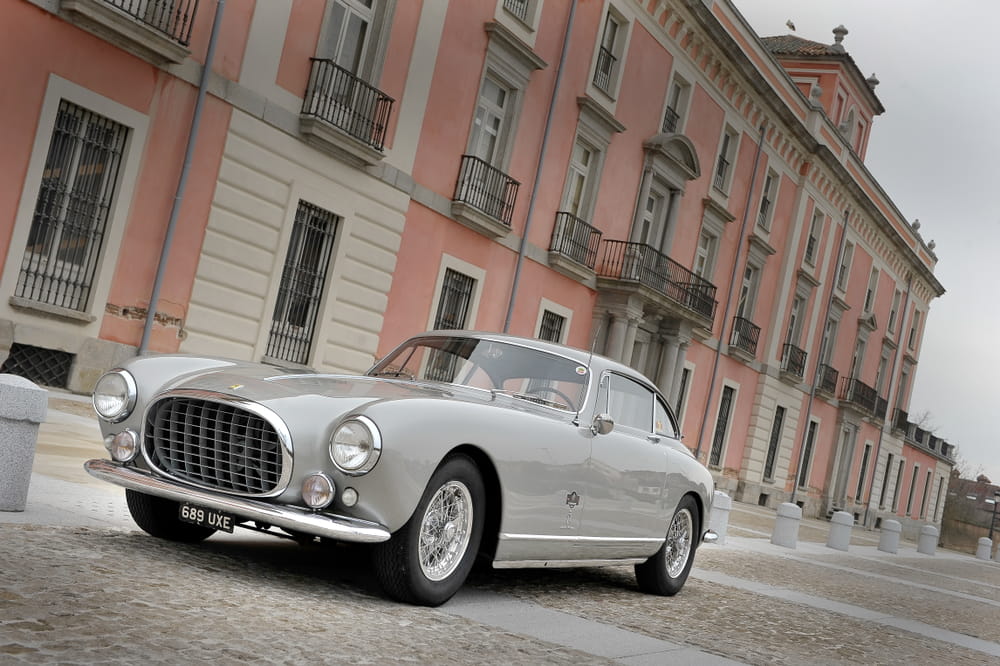
- Boadilla del Monte is a modern residential suburb located about 20 km from the center of Madrid. Thanks to modern residential complexes, international schools and shopping centers, Boadilla del Monte is in high demand among families with children. For those looking for comfortable life in an area with developed infrastructure, it is one of the best options. Transport connection with the capital is provided by metro and buses. The average price of resale property is around €4,300/m2, and the long-term rental price is around €15.25/m2.
- Alcobendas is a very popular business and industrial area, as well as a highly sought-after residential district 15 km from Madrid. It features good infrastructure and convenient transport connections, including a metro line, commuter trains and buses. It is an excellent option for specialists working in the Madrid metropolitan area who want a higher quality of life at lower costs. Many large companies and office centers are located nearby. Transport connection with the capital is provided by metro and buses. The average price of resale property is around €4,100/m2, and the long-term rental price is around €22.90/m2.
- Torrejón de Ardoz is a city with good transport connections to Madrid. It is located between Alcalá de Henares and the capital, east of Barajas International Airport. The center of Madrid is about 20 km away. Torrejón is home to a business park, a university hospital, a shopping center, the Parque Europa theme park and several museums. The average price of resale property is around €3,200/m2, and the long-term rental price is around €16.10/m2.
- Pozuelo de Alarcón is the closest western suburb of Madrid, located just beyond Casa de Campo Park. It occupies top positions in rankings of Spanish cities with the highest quality of life and per capita income. It has all the infrastructure necessary for convenient and comfortable living. The town is surrounded by green natural and park areas and has good transport connections with Madrid. Pozuelo de Alarcón has the status of a calm and safe family town, perfectly suited for a modern healthy lifestyle. In addition, it is considered the most beautiful suburb of Madrid. The average price of resale property is around €5,600/m2, and the long-term rental price is around €19.90/m2.
- Getafe is a southern suburb of Madrid, located about 13 km from the center. It has metro, bus and commuter train connections. Among the advantages of living in Getafe are a calm atmosphere, a youthful environment and good employment opportunities, since it is easy and convenient to reach any area of the capital by private or public transport. It is a good option for those who want to live near Madrid, but in more comfortable conditions. The average price of resale property is around €3,380/m2, and the long-term rental price is around €17.80/m2.
- Alcorcón is another popular suburb of the Spanish capital, located about 15 km southwest of the center. It has good transport connections with Madrid, developed infrastructure, many parks and sports centers. Both those who like a calm atmosphere and those who prefer active leisure and sports feel comfortable here. The average price of resale property is around €3,400/m2, and the long-term rental price is around €17.90/m2.
Comparing a cash purchase with a mortgage? Before choosing a property, you can assess financing conditions in advance: Alegria supports mortgage applications in Spain and helps prepare documents for the transaction.
Practical tips for choosing a Madrid suburb for permanent residence
When choosing among settlements located around Madrid, it is necessary to pay attention first of all to the following points:
- Visit the locations you like at different times – in the morning, during the day and on weekends – to feel the real atmosphere and pace of life, road congestion, noise and traffic.
- Check the route to work to assess not only the distance, but also different public transport options and the actual travel time. Depending on the city and time of day, the journey by public transport to central Madrid takes from 20 minutes to 1 hour.
- Assess the availability of basic infrastructure: pharmacies, medical centers, supermarkets, schools, sports centers, public transport stops, bus stations and railway stations, etc. Sometimes it makes sense to pay a little more for housing located near transport hubs, as this can significantly reduce the time and cost of daily trips.
- Take into account your own preferences regarding housing, including its type and size, as well as lifestyle.
To compare the city districts of the capital, you can also read the Alegria article “Madrid neighborhoods: where to live, invest, and relax”.
This information is not legal or tax advice and does not constitute a public offer.
FAQ
Which Madrid suburbs are included in the Top 3 for living?
The list of the best Madrid suburbs for living includes San Lorenzo de El Escorial, Alcalá de Henares and San Sebastián de los Reyes.
Why do many people choose to live in Madrid suburbs?
The main reasons are cleaner air, lower levels of noise and light pollution, calm, privacy, proximity to green areas and the ability to reach the center of the capital quickly.
What are the disadvantages of living in Madrid suburbs?
The disadvantages include less active nightlife and cultural life, some specialized services being located farther away, and in some cases dependence on a car.
How long does it take to get from the suburbs to central Madrid?
Depending on the town and time of day, the journey by public transport to central Madrid takes from 20 minutes to 1 hour.
Which suburb is suitable for those who value nature and silence?
El Escorial is often mentioned as an option for those who value comfort, silence and nature, but do not want to lose convenient access to the capital.
Which Madrid suburb is convenient for families?
San Sebastián de los Reyes is described as a convenient option for families who need access to schools and medical centers, as well as the ability to reach Madrid quickly.
What should you check before choosing a suburb for permanent residence?
It is worth visiting the location at different times, checking the route to work, assessing the infrastructure and taking into account your own preferences regarding property type, size and lifestyle.