In February, you might find three people and a dog on Guardamar’s beach. One will probably be wearing a T-shirt, another will be wrapped up in a windbreaker, and the third will be sunbathing on a lounger without a care in the world. The rest of the town is having coffee in the sunny side of the square and taking its time. The same beach looks very different in August, as you would expect in a seaside resort, but we’ll get to that later. First, the main point: Guardamar del Segura, a small town in the south of Alicante province, is no longer an undiscovered spot for people looking to live by the sea all year round rather than spend two weeks in a picture-postcard setting.
We sell property here at Alegría, so we know the town beyond the glossy brochures. This guide is for anyone seriously considering a move or a purchase in Guardamar del Segura. We’ll say what we like about it, of course, but we won’t gloss over the drawbacks.
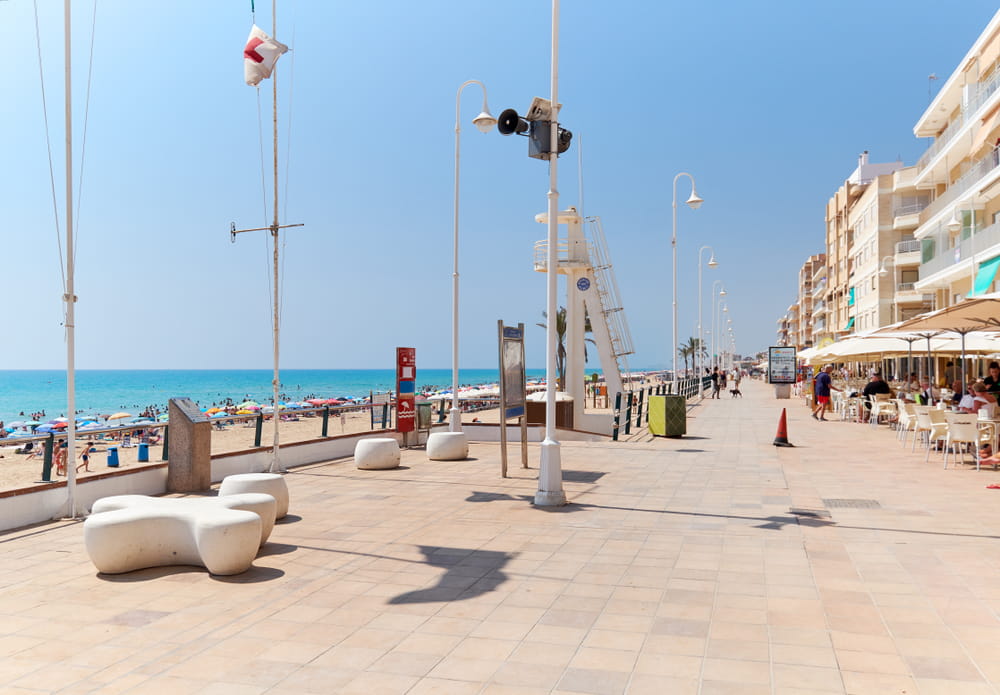
Photo: Alex Tihonovs / Shutterstock.com
What kind of place is Guardamar?
The town had a population of 18,564 in 2025, according to INE statistics. That may sound modest until you realise that the population swells several times over in summer. Permanent residents fall into three roughly equal groups: Spaniards, northern Europeans (British, Scandinavian, German and Belgian residents) and Russian speakers. The last group has been growing noticeably year by year.
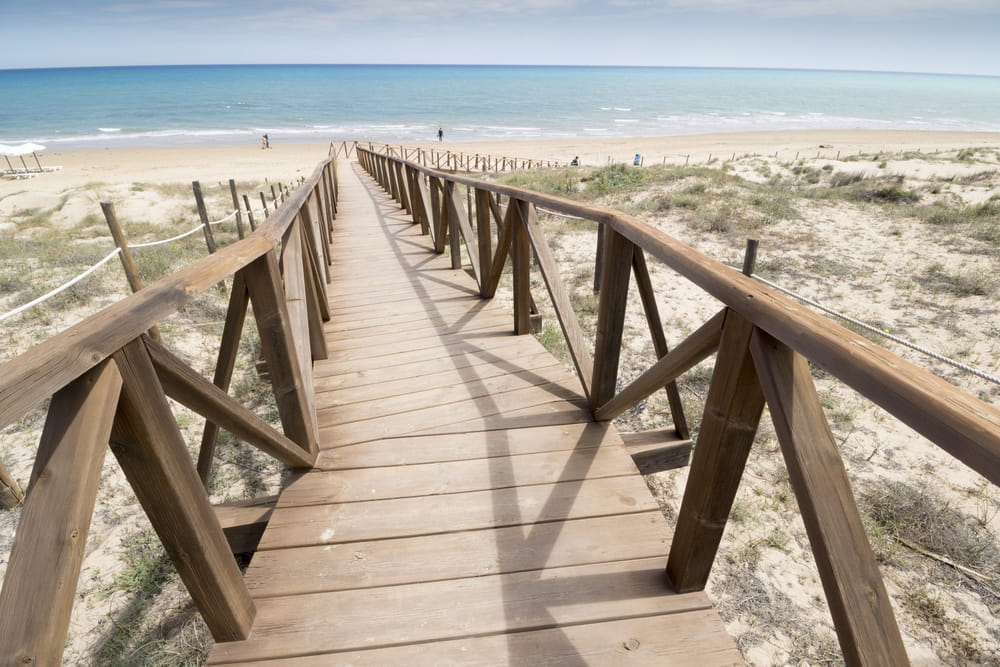
Guardamar’s main landmark is arguably its pine forest. It looks like a gift from nature, but it is actually the result of painstaking engineering work. More than a century ago, the dunes were advancing on the town so relentlessly that something had to be done to protect it. Francisco Miró y Botella, also known as Francisco Mira, a prominent Spanish mountain and forestry engineer, proposed planting pine trees. The result is what you see today: resin-scented shade where shifting sand once lay. Around eleven kilometres of sandy beaches stretch between the forest and the sea. The dunes also preserve the remains of an Arab ribat, a fortified religious retreat dating from the Caliphate of Córdoba, while the Phoenician settlement of La Fonteta has been excavated near the mouth of the Segura. Yes, this is the kind of place where a run through the dunes can take you past an archaeological site thousands of years old.
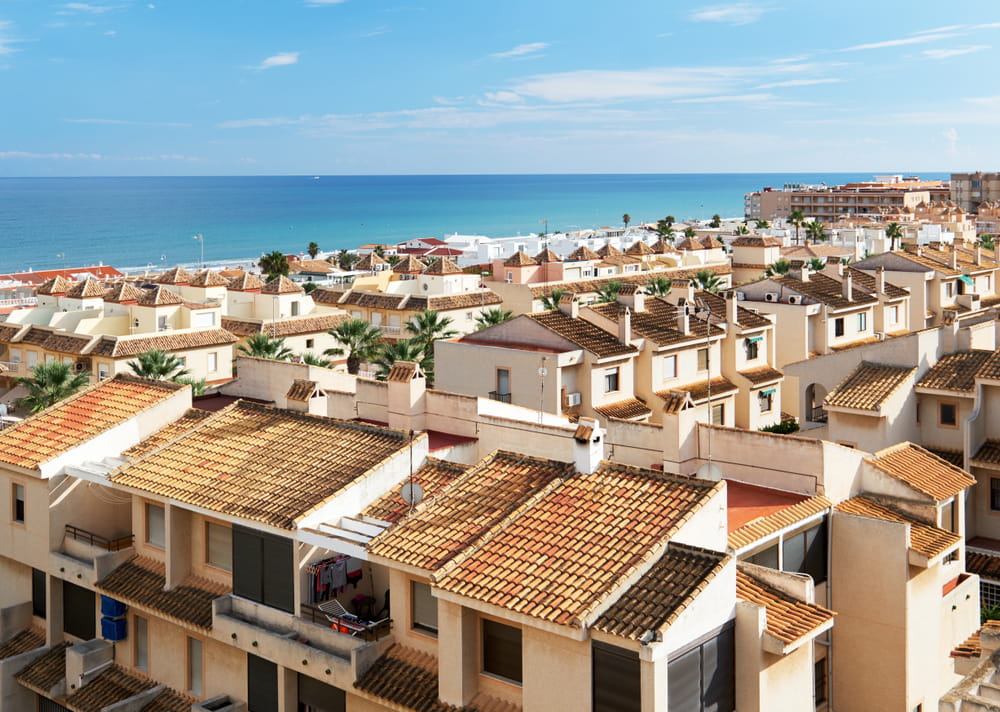
Then there’s the town itself: the old centre and its hilltop castle, the marina, the mouth of the Segura River and the “green corridor”, a path along the water for walking and cycling. Torrevieja is a 20-minute drive away, but Guardamar feels noticeably quieter and greener by comparison. Alicante–Elche Airport is about 30 minutes away, and Murcia Airport is roughly an hour’s drive – handy.
What is it like when the tourists have left?
The climate sells itself: around 300 days of sunshine a year, little rain and daytime winter temperatures usually between 16 and 18°C. You’ll want a jumper in the evening, but a down jacket is rarely needed.
Summer is a different story. July and August are hot, humid and noisy. Finding a parking space in the centre becomes a sport, the seafront is packed, and café prices creep up. People who live here year-round have worked out how to manage: go to the beach early or after seven in the evening, shop before eleven, and don’t expect to get anything done in the centre at three o’clock on a Saturday.
From October to May, Guardamar settles back into its everyday rhythm. It’s not just seasonal businesses that stay open: the local bars do too, and after a month of regular visits the staff may start remembering your order. Families take their children out in pushchairs, keen runners hit the paths, and people buy lemons by the kilo at the market. For those who come here to retire, this is the real gift: a quiet, sunny and affordable way of life.
Neighbourhoods and developments: what is where
Guardamar is easy to divide into a handful of areas. Each has its own character, and choosing the wrong one can mean ending up with a lifestyle you never intended to buy into.
- The centre and old town (Zona Pueblo). This is everyday Spanish life: narrow streets, Plaza Porticada, shops, bars, pharmacies and the market. Most homes are resale apartments. They may look modest, but you can walk to just about everything. The beach is a 10- to 15-minute walk away. This is the most affordable part of town, at around €2,200 per square metre. The main drawbacks are summer noise and difficult parking. If you like stepping out for bread and stopping to chat with a neighbour, this is the place for you.
- Guardamar Playa and the beachfront. Modern buildings, apartments with sea views, a promenade and restaurants. Prices are around €2,700 per square metre, and in this case you can see what you’re paying for: you can’t import that sunset view. A good option for investors and for anyone who values being close to the sea more than having extra floor space.
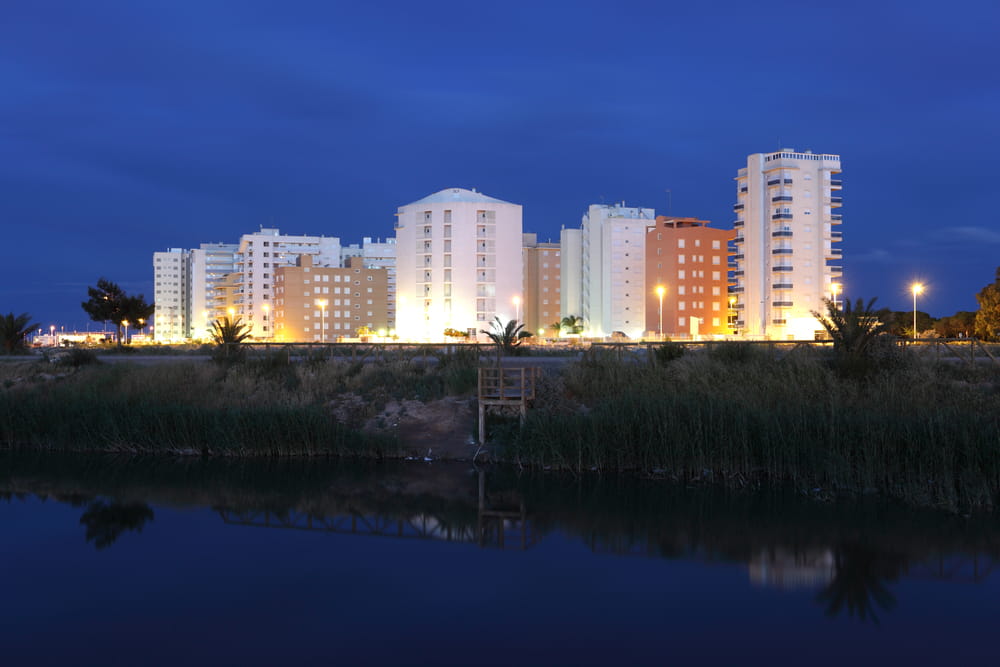
- The marina (Puerto Deportivo) and the Segura promenade. Yachts, seafood restaurants, cycling routes and some of the loveliest evening walks in town. There’s a mix of property here, from modern apartments to townhouses. It’s lively, but not in an overbearing way. At the moment, it’s the area with the strongest price momentum, as we’ll see below.
- Las Viñas, the Dune Forest, and the beaches of Vivers and Ortigues. Residential areas closer to the pines and quieter beaches, with plenty of family homes. Prices are a little lower than on the beachfront, and there’s more greenery and peace and quiet. Ideal if you want the sea nearby without the crowds.
- El Raso. The most popular development for buyers looking for bungalows, townhouses and villas. It lies inland, in Campo de Guardamar, about a ten-minute drive from the centre. There’s a small local shopping area, cafés, a pharmacy and a bus into town. The Sunday “Lemon Tree” market has nearly 500 stalls and is considered one of the biggest in the area. Nearby, La Mata lagoon has flamingos and cycling trails. The downside: a car makes life much easier, and the beach is several kilometres away.
- Moncayo and La Roqueta. Moncayo is known for its sandy beach, gently sloping entry into the water and relaxed atmosphere. It’s a quiet residential area with plenty of year-round residents. La Roqueta is closer to the lagoon and protected natural areas, with golf courses nearby. People choose this part of town for peace and space, rather than nightlife.
Ask us to find a property in Guardamar
Property types and prices
Let’s start with the overall picture. According to Idealista, the average asking price in Guardamar was €2,643 per square metre in September 2026. Prices rose by 12.6% year on year, but by just 0.1% over the previous quarter. The all-time high of €2,658 was recorded in July and has not been surpassed so far. In other words, after a fast run, the market has paused to catch its breath.
For context, at the post-crisis low around 2013, the average price was about €1,350 per square metre. The pre-crisis peak in 2008 was around €2,100. Today’s level is roughly a quarter higher. This is no longer “cheap property by the sea”; it’s a mature market.
Asking prices by area in September were as follows (these are advertised prices; completed sales are usually a little lower):
| Area | Price per m² | Year-on-year change |
|---|---|---|
| Residential developments | €2,938 | +9.8% |
| Marina (Puerto Deportivo) | €2,745 | +20.2% |
| Guardamar Playa | €2,676 | +13.0% |
| Las Viñas | €2,411 | +10.9% |
| Centre (Zona Pueblo) | €2,236 | +13.9% |
Two things are worth noting. The residential developments are the most expensive, not because the square metre is inherently “better”, but because they include villas with plots and pools, as well as newer homes. The centre, meanwhile, fell by 2.3% over the quarter while prices at the marina were rising rapidly. It’s a good example of how little a town-wide average tells you. It’s always better to look at the specific building and street.
Now let’s look at the different types of homes.
Resale apartments typically cost between €110,000 and €200,000, depending on the area, condition and distance from the sea. They’re the most affordable way into the Guardamar property market. Many need some cosmetic work, but the lower purchase price can leave room in the budget for it.
New-build apartments start at around €220,000 for a two-bedroom home of about 86 m² in a complex with a communal pool. In El Raso, with lagoon views, or closer to the sea, prices rise to €280,000 or €350,000. These apartments come with air conditioning and often feature modern furnishings and good energy efficiency.
Bungalows and townhouses usually cost between €150,000 and €250,000. They’re a good middle ground if you want a small plot or a rooftop solarium but aren’t ready to stretch to a villa.
Villas start at around €270,000 for a well-kept home with a pool in El Raso. They can easily top €500,000 if the plot is large and the location is particularly good. Exclusive homes by the forest or on the beachfront can cost much more. There’s a huge range, so it’s especially important to view properties in person before making a decision.
One more thing to factor in is the cost of buying. Add roughly 12% to 14% to the property price for taxes, notary fees, Land Registry fees and legal assistance. For a resale property in the Valencian Community, this usually includes ITP. For a new-build home, it includes VAT and the tax on the notarised documents. We calculate the exact amount for each purchase because rates can change.
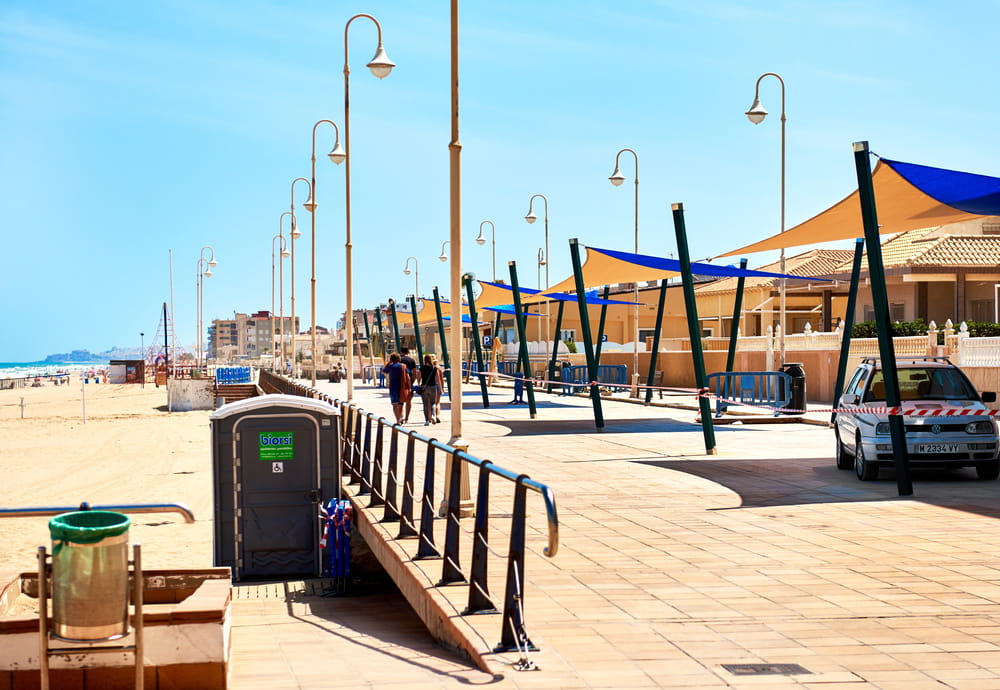
Photo: Alex Tihonovs / Shutterstock.com
Infrastructure: what is here and what is not
For a town of 18,500 people, Guardamar is well equipped. It has a health centre, pharmacies, supermarkets from several chains, markets, banks, a sports centre with a heated pool that stays open all year, and a marina with plenty going on. For more complex medical care, many residents go to Torrevieja, about 20 minutes away, where there are public and private clinics. The town has both state and semi-private schools. If your children need an international school, look towards Torrevieja, Alicante or Elche. It’s better to think about this before you buy, not afterwards.
Now for what the town doesn’t have. There’s no railway station nearby, which is one of the main practical considerations. Buses run to Torrevieja, Alicante and Elche, but if you live outside the centre, getting around without a car can be difficult – especially in the residential developments. So we’re always honest about this: if you don’t drive and don’t plan to, choose the centre or the beachfront.
The good news for sports enthusiasts and anyone who likes an active lifestyle: there are cycle lanes, walking paths along the river, dunes, a lagoon and golf courses within a 20-minute drive. The sea is usually calm, so the beaches suit children and older visitors alike. And there’s river fishing too, which is a big plus for some.
Cost of living
Now for the part most people really want to know about. The figures below are estimates for a couple living here year-round, excluding rent or mortgage payments.
- Groceries: €350–€500 a month if you cook at home and shop at the market.
- Electricity and water: €80–€150, with higher bills in summer because of air conditioning.
- Internet and mobile phone service: €40–€60.
- Community fees for the building or residential development: €40–€150, depending on the facilities.
- Car: around €150–€250 for fuel, insurance and maintenance.
- Private health insurance: €60–€120 per person, depending on age.
- Cafés, restaurants and entertainment: €200–€400. A menú del día at an ordinary restaurant costs €12–€15, and a beer is about €2–€3.
That comes to roughly €1,500–€2,200 a month for two people, excluding housing. That’s very affordable by Western European standards, around average for Spain as a whole, and reasonable for the Costa Blanca. Property tax (IBI) and rubbish collection fees add a few hundred euros a year.
If you’d rather “try before you buy”, a long-term rental bungalow in El Raso can cost around €1,200 a month. Two-bedroom apartments are more often listed for €800–€1,100. Prices vary, especially by season, but that gives you a general idea.
The pros and cons, without the gloss
What’s genuinely good about living here? The beautiful blue sea is right there, part of everyday life rather than a stripe on a map. There’s a pine forest and dunes where you can walk without traffic or crowds and enjoy the fresh air. The climate means you can spend almost all summer and much of winter outdoors. It’s a small town: you can get around the important places in an hour and bump into three people you know. Alicante Airport and Torrevieja are close when you need them. And the value for money is still reasonable: property further north along the coast, closer to Benidorm, tends to cost noticeably more.
What might you not like? Not everyone enjoys a hot, crowded and noisy summer on the coast. Heavy autumn downpours do occur, and the Vega Baja has a history of flooding, so before buying you should check the specific property’s flood risk on the relevant maps. You’ll need a car if you live outside the centre. Some businesses close in winter, and anyone who enjoys nightclubs and late-night entertainment may find it quiet. There are plenty of mosquitoes near the river and lagoon. Spanish is more useful here than in the resorts known for their large English-speaking communities, because much of local life happens without translation. And Guardamar is no longer cheap: prices are near their peak, negotiating is harder and there are no clear signs of major discounts ahead.
Who is Guardamar right for?
Guardamar is a strong fit for retirees looking for mild winters, a slower pace of life and accessible, good-quality healthcare. It also suits families with children who value a sense of safety, a long beach and nature nearby. Remote workers may do well here, provided their home has fibre-optic internet – available in most areas – and they have enough self-discipline not to head to the beach at eleven in the morning. It’s also a good match for people who enjoy an active lifestyle: cycling, running, golf and sailing.
It may feel limiting if you’re used to a big city, nightclubs and museums within walking distance. It’s not ideal if you want to live without a car outside the centre. And don’t expect the resort glamour of Marbella: life here is simpler and closer to everyday pleasures. That’s exactly what many people like about Guardamar.
Investing in Guardamar: is it worth it?
The short answer is yes, but without illusions – and with the understanding that the days of effortless growth are over.
One of Guardamar’s strengths is that there is demand throughout the year. Holidaymakers arrive in summer, people from northern Europe come to spend the winter, and permanent residents look for long-term rentals. This reduces the risk of a property sitting empty compared with places that rely solely on tourism.
What about rental yields? When prices were €1,500 or €1,800 per square metre, rental yields looked more generous. Gross yields on long-term rentals now tend to be around 4%–5.5% a year. After expenses and taxes, that leaves roughly 3%–4%. Short-term holiday lets can generate gross yields of 6%–8% or more in a good location during the season, but there are important caveats: seasonality, management, taxes and licensing.
Now for property price growth, which is what many investors focus on. The market rose by 12.6% over the year, but barely moved over the last three months, and prices in the centre even edged down slightly. Prices at the marina rose by 20% year on year. A jump like that usually means values have already moved up a long way, making further rapid gains harder. It would be naive to expect the same pace to continue. A more sensible approach is to plan for moderate growth and a clear rental income, and treat any increase in the property’s value as a bonus.
What should you invest in? Two-bedroom new-build apartments with a pool are among the strongest options: they’re easy to resell, straightforward for tenants and buyers to understand, and require little additional work. Bungalows and townhouses in El Raso and Moncayo are also worth considering; families and long-term tenants like them. Apartments by the sea and in the centre are easier to rent, especially in high season, and the centre is currently the most affordable way into the market. Villas are usually bought as homes rather than for rental income: the entry price is high, while the yield is relatively modest.
What should you know in advance? Short-term rentals require registration and a tourist licence. Some communities and residential developments also prohibit holiday lets in their bylaws. Check this before you buy, not afterwards. Non-residents pay tax on rental income: 19% for EU and EEA citizens, with deductions, and 24% for others, without deductions. Spain’s Golden Visa programme for property investors ended in April 2025, so buying property is no longer a route to residency. Other options, such as the digital nomad visa or a non-lucrative residence permit, remain available.
For investors, Guardamar is about stability rather than a quick rise in prices. If you want a straightforward property, a steady income and the option of using it yourself from time to time, it can be a good choice. If you expect the price to double in a couple of years, you should look elsewhere.
If you’ve read this far, Guardamar has probably caught your attention. That’s understandable – it has a way of doing that. We at Alegría are biased, of course: we live on this coast, show homes here and drink that same coffee in the sunny side of the square. But that’s also why we can tell you what a glossy brochure won’t: visit and stay for at least a week before buying. November or February is ideal, when the town sheds its holiday-season bustle and shows you what it’s really like to live here. If you still want to stay after that, it may well be the right place for you. We’ll help you find a property, run through the numbers, check the paperwork and take you to that bar on the corner so you can get a feel for the neighbourhood beyond the photos. Then you can decide whether you want a house with a pool or a cosy apartment a few steps from the dunes. Get in touch when you’re ready. Coffee’s on us.
FAQ
How much does property cost in Guardamar del Segura?
The article gives indicative prices by area and property type. The average asking price in September 2026 is listed as €2,643 per square metre. The actual price depends on the area, condition and features of the property.
Which part of Guardamar is best if I don’t have a car?
The article recommends the centre or the beachfront for people without a car, as most everyday amenities are within walking distance. Getting around from the residential developments can be more difficult without a vehicle.
How much does a couple need for day-to-day expenses in Guardamar?
The article estimates monthly living costs at €1,500–€2,200 for two people, excluding housing. Actual expenses depend on your lifestyle and household size.
Is Guardamar a good place to live all year round?
According to the article, the town returns to a quieter pace outside the high season, while local businesses and everyday services continue to operate. Keep in mind that summer is busier and hotter.
Is Guardamar a good place to invest in rental property?
The article considers the town suitable for both long-term and seasonal rentals, while noting the effects of seasonality, management costs and taxes. It also recommends checking the rules and licensing requirements for short-term rentals before buying.
This information does not constitute legal or tax advice and is not a public offer.