TL;DR
Wine expert and journalist Dmitry Kesadov explores Cava and Spanish sparkling wine – why a well-chilled bottle feels particularly at home in a Mediterranean summer, how Cava came to be, what sets it apart from Champagne, how traditional-method sparkling wine is made, and which producers are worth seeking out.
- The main idea: sparkling wine works in every season and with almost any occasion, but its freshness and acidity make it especially appealing during a hot Mediterranean summer.
- How it is made: traditional Cava gets its bubbles from a second fermentation that takes place inside the bottle.
- What to buy: inexpensive mainstream Cava works perfectly well for cocktails and casual drinking. For more character and complexity, look towards smaller producers, specialist wine shops and online retailers.
- A Valencian alternative: among producers closer to Alicante, the author particularly recommends Dominio de la Vega and Pago de Tharsys.
- Producers worth knowing: Gramona, Recaredo, Llopart, Raventós i Blanc, AT Roca, Huguet Can Feixes, Mestres, Sumarroca and others.
- Cava and Corpinnat: some of Spain’s most interesting sparkling wines no longer carry the word Cava on the label. A number of leading Penedès producers now work under alternative designations and associations.
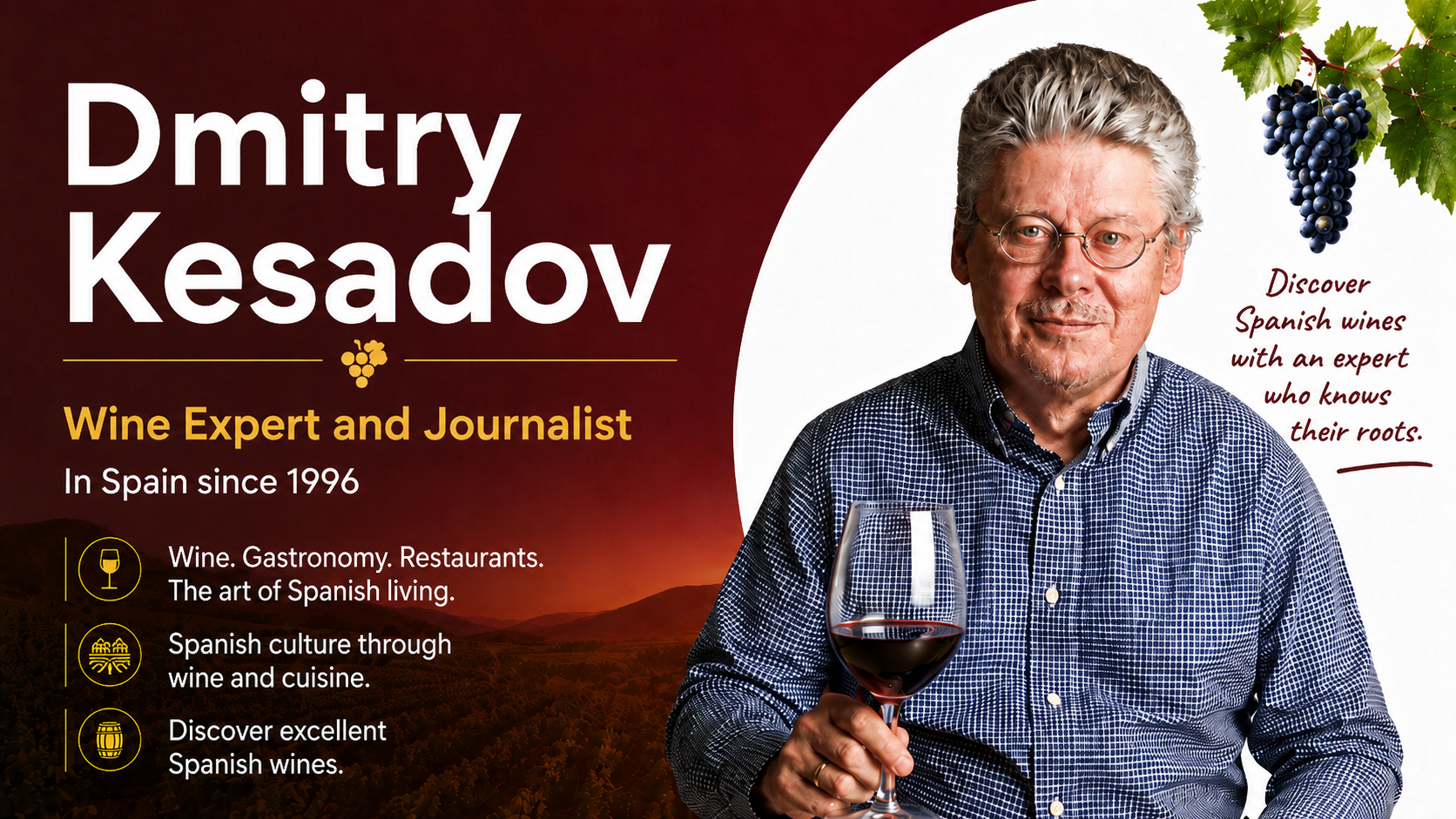
About the author: Dmitry Kesadov is a wine expert and journalist and a graduate of the Enotria wine school. He has lived in Spain since 1996 and specialises in food, wine and restaurants as part of Spanish culture.
Cava in summer – why sparkling wine works so well in the heat
Hello, Dmitry Kesadov here with another of our notes on wine, food and Spanish life.
As promised, this is the second article in our series on making the most of summer – and this time we are talking about what to drink when the Mediterranean heat sets in.
My choice is an easy one: Cava – or sparkling wine in general.
Strictly speaking, sparkling wines are not seasonal drinks at all. Champagne and Crémant from France, Franciacorta and Prosecco from Italy, Cava and Corpinnat from Spain – we happily open them in winter and on New Year’s Eve. But summer seems particularly made for bubbles. On a scorching day, few things look more inviting than an ice-cold bottle of Cava.
I remember the first time my wife and I visited Barcelona. I walked over to a sparkling-wine section to choose a bottle and was completely overwhelmed by what I saw.
Back then, where we live – in the Vega Baja area of Alicante province – supermarket shelves and restaurant wine lists offered a fairly predictable selection. You could usually find Codorníu and Freixenet, while Juvé & Camps was the standout – genuinely excellent, but practically the only one of the leading names that appeared with any regularity.
Things have improved since then, although not as dramatically as one might hope. The choice of sparkling wine in our part of Alicante is still relatively modest. That Barcelona display was therefore a revelation: dozens upon dozens of labels, many of them completely unfamiliar to us at the time.
Still, after many years of enthusiastic research – entirely in the interests of wine education, naturally – enough sparkling wine has passed through my glasses to leave me with plenty of memories and quite a few opinions worth sharing.
So, corks at the ready. Let us begin.
If you would like to explore the wine culture of our corner of Spain in more depth, continue with Dmitry Kesadov’s guide to Monastrell and the wines of Alicante and Murcia.
Why sparkling wine is so versatile
First things first: why sparkling wine?
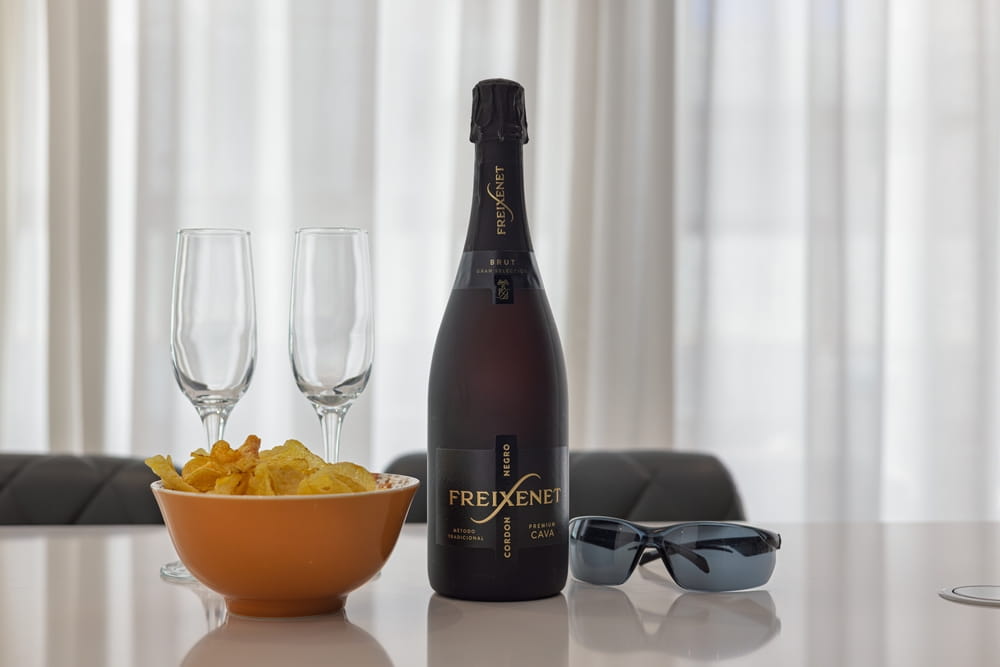
I have already mentioned its versatility. Bubbles work in almost any weather and for almost any occasion. The same is true at the table.
Oysters, seafood, fish and caviar are natural partners for Cava, but there is no reason to stop there. The right sparkling wine can accompany simple appetisers, vegetables, meat and even dessert.
Napoleon is often credited with a line that neatly captures this universal appeal: in victory, you deserve Champagne; in defeat, you need it.
Whether he actually said those exact words is another question. What is well documented is Napoleon’s connection with the Moët family in Épernay and his fondness for visiting Champagne. Sparkling wine, one suspects, was rarely in short supply.
Versatility aside, sparkling wine also has something other drinks struggle to imitate: an immediate sense of occasion.
Beer, water or a crisp white wine can all be excellent ways to deal with the heat, and each deserves an article of its own. But put a bottle of sparkling wine on the table and an ordinary afternoon suddenly feels a little more like a holiday.
There is also the theatre of it all. The cork pops, the wine foams, glasses fill with bubbles. Sparkling wine does not simply arrive at the table – it makes an entrance.
I often think of an old friend of ours, a Catalan with the lean, unmistakable silhouette of Don Quixote. He is old enough to remember years of genuine hardship, exhausting work and life under Franco, followed by the extraordinary transformation of Spain in the decades that came afterwards.
We once asked him why, as a Catalan, he had eventually chosen to settle in Alicante province.
We were sitting by the sea at the time. Salvador leaned back in his chair, stretched out his legs, took another sip of cold Cava and said: “Where else can you sit by the Mediterranean in the sunshine almost all year round, drinking ice-cold Cava and talking with friends without being in any hurry to go anywhere?”
It was difficult to argue with him.
So perhaps we should think of sparkling wine as part of our summer survival kit – bottles of Cava and other bubbles ready to brighten both the table and the day.
Long may sparkling wine continue to appear at royal receptions, spray across Formula 1 podiums, christen ships and arrive by the case at parties. Few wines have managed to become symbols of celebration quite so successfully.
For more on the everyday culture of wine, vermouth and cocktails in Spain, see our guide to where to drink and enjoy a bite to eat in Spain.
How sparkling wine is made
Now for a little background on how the bubbles actually get into the bottle.
Sparkling wine is not a simple product, but I promise not to turn an easy summer read into an oenology lecture.
At its most basic, fermentation is straightforward: yeast consumes sugar and produces alcohol and carbon dioxide – CO₂. In that sense, almost every wine begins life with a certain amount of fizz. Normally, however, fermentation finishes, the carbon dioxide escapes and the result becomes what winemakers call a “still” wine.
To keep the bubbles, winemakers need a different approach.
There are several ways to do it. We will leave aside the monks, exploding bottles, technological revolutions and centuries of sparkling-wine mythology – there is far too much of that for a single article.
One option is to bottle a wine before fermentation has completely finished and allow it to continue fermenting inside the bottle. The result is what we now usually call pét-nat, short for pétillant naturel.
These wines tend to be less intensely sparkling and can be less predictable, but at their best they are lively, playful and relatively affordable. This is an old way of making sparkling wine, commonly associated with the méthode ancestrale.
Pét-nat has returned to fashion in recent years. Not long ago, Decántalo sent me, as a subscriber and customer, a selection featuring dozens of pét-nats from different countries, grape varieties and price ranges. Specialist wine retailers now make them fairly easy to find.
Traditional Cava, however, follows the same fundamental principle as Champagne: first make a still base wine, then provoke a second fermentation inside the bottle. That second fermentation creates the bubbles we are after.
How Cava began in Spain
The Spanish connection with French sparkling-wine traditions is hardly surprising. Northern Spain and southern France have been culturally, economically and politically intertwined for centuries.
To understand the story of Cava, we need to go back several centuries.
While Dom Pérignon was still a young man and his famous experiments with Champagne lay ahead of him, Anna de Codorníu married Miquel Raventós. This was no unlikely match: two prosperous landowning and winegrowing families brought together their capital, experience and interests.
Several generations later, their descendant Josep Raventós produced sparkling wine in Catalonia using the traditional method. The year usually associated with this milestone is 1872.
Wine journalist Anton Moiseenko once noticed something striking while visiting Codorníu: the enormous family portraits of the Codorníu–Raventós clan. The family periodically gathers at the estate for these photographs, and hundreds of relatives can appear in a single image.
Impressive as that is, the family’s historical ambitions reach even further. Their documented involvement in viticulture dates back to 1497, placing them among Europe’s oldest continuously recorded winegrowing families.
Champagne, meanwhile, had become internationally famous, and for many years sparkling wines made elsewhere were frequently marketed using variations of the Champagne name.
Over time, Champagne became legally protected as a geographical designation for wine from the Champagne region of France, and producers elsewhere needed identities of their own.
In Spain, Cava became that identity.
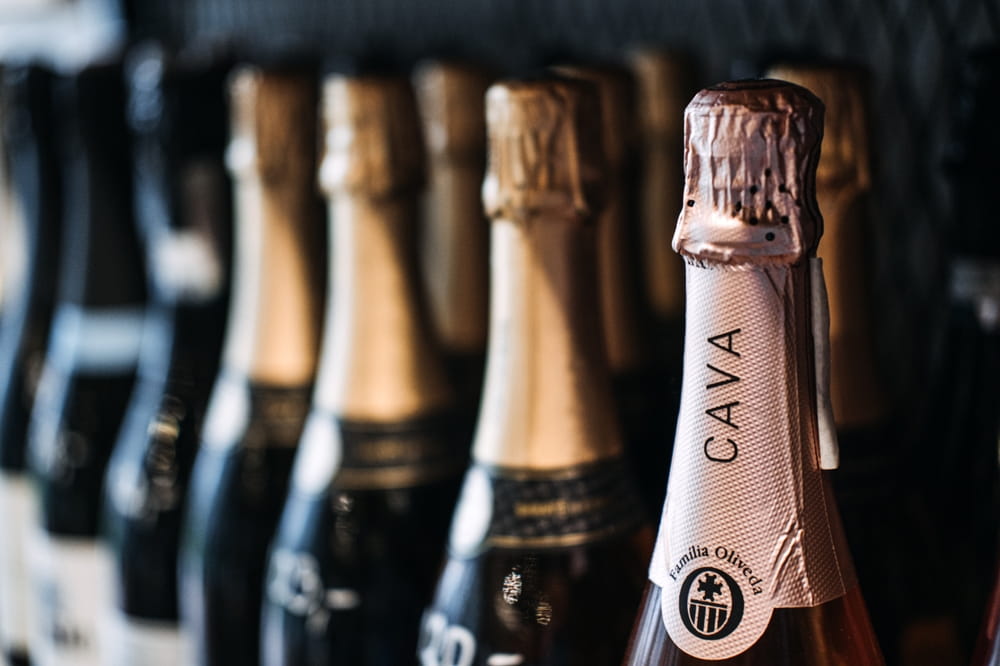
The word itself is wonderfully appropriate. In Catalan and Spanish wine terminology, a cava is a cellar – precisely the sort of cool underground space where bottles of traditional-method sparkling wine spend months or years ageing.
It was a remarkably successful name. In recent years, however, the Cava designation has faced a new challenge: some of the most respected producers in Penedès have chosen to leave D.O. Cava and create alternative identities. We will come back to that later.
How Spanish Cava differs from Champagne
Cava offers many of the pleasures people associate with Champagne, usually at a considerably more approachable price.
A friend visiting us in Spain once stood in front of a supermarket shelf studying Cava prices with increasing disbelief. After doing some mental arithmetic, he announced that he had always assumed bathing in Champagne was an extravagance reserved for millionaires. At Spanish Cava prices, he said, it was beginning to look like a perfectly realistic weekend activity.
He knew very little about the history of Cava, but he had understood something important: in Spain, sparkling wine is not reserved for the elite or for grand celebrations. It belongs to everyday life as well.
People do not merely buy it. They are genuinely fond of it.
Older Freixenet advertising illustrates just how deeply Cava became associated with Spanish family celebrations. Some of those campaigns would look very different if created today, but they reflect a period when Cava was firmly linked to weddings, anniversaries, graduations, Christmas and other milestones in family life.
The differences between Cava and Champagne go well beyond price.
Spanish producers traditionally work with varieties such as Macabeo, Xarel·lo and Parellada, alongside grapes including Monastrell and others permitted within the appellation. The resulting wines can have a distinctly Mediterranean personality, often with bright citrus notes and a dry, refreshing profile.
And since our subject is what to drink during a hot Spanish summer, those are very useful qualities indeed.
For a broader introduction to the region’s wine culture, see our guide to Alicante wines and wine tourism.
How to choose a good Cava
We have already reached our first conclusion: drink more Cava. We have covered some history and a little theory, so now comes the practical question – what should you actually buy in a shop or order in a restaurant?
The first thing to understand is that not all Cava is created equal.
The romantic idea of endlessly available, wonderful sparkling wine for almost no money no longer quite matches reality.
For one thing, the days of decent bottles for two euros are essentially behind us. And much of the Cava found in large supermarkets at roughly €4–€10 comes from major producers such as Codorníu, Freixenet and García Carrión, where the priority is naturally the mass market.
At this level, the goal is generally consistency, accessibility and volume rather than individual character. Attractive words on a label – including brut, reserva and similar terms – can tell you something useful, but they do not automatically guarantee a memorable wine.
And before admirers of the big houses start throwing corks at me, let me add an important qualification: Codorníu and Freixenet are perfectly capable of producing excellent, even outstanding sparkling wines from serious vineyards with long cellar ageing.
You are simply less likely to encounter those bottles in the everyday supermarket range, and they naturally cost considerably more.
So if what you want is an uncomplicated sparkling wine to drink cold on a hot afternoon, or something for an Aperol Spritz or another cocktail, mainstream Cava can do the job perfectly well.
Terms such as brut, extra brut and brut nature are useful when choosing by sweetness level, as each category has defined limits for residual sugar.
If you are looking for more character, complexity and sheer drinking pleasure, the €10–€15 range can already become much more interesting. The catch is that you may need to venture beyond the nearest supermarket and look at specialist wine shops or online retailers.
Three ways to find good Cava
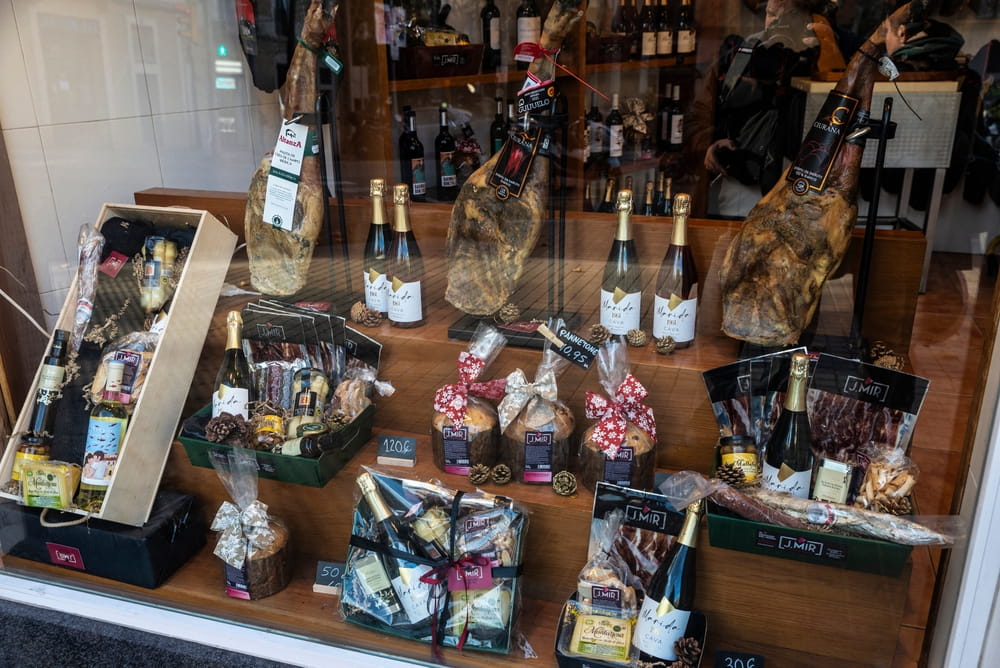
There are three routes I would suggest.
Option one – reliable labels in ordinary supermarkets
The easiest approach is to look for wineries that are now part of larger wine groups but have retained their own identity and a noticeably higher level of quality.
Parxet and Segura Viudas are good examples. You can find them in chains such as Consum, Carrefour and Alcampo. Prices remain fairly moderate, while the step up in quality is noticeable.
Option two – try Cava from the Valencian Community
The second route is particularly relevant if you live in or are visiting Alicante: buy something closer to home.
D.O. Cava is unusual in that its production area is not limited to Penedès. Cava can also be made in other authorised areas of Spain, including the Valencian Community, where Requena has a strong sparkling-wine tradition of its own.
Two names worth looking for are Dominio de la Vega and Pago de Tharsys. They generally cost a little more than entry-level mass-market Cava, but to my taste they offer considerably more personality and interest.
I mention these two not because they are the only Valencian producers worth discovering, but because their wines are relatively easy to find.
Pago de Tharsys also has a small hotel, so a winery visit can even be turned into an overnight wine-country escape.
Option three – specialist shops and top producers
The first two approaches can lead you to very respectable sparkling wine without leaving the world of ordinary shops.
To go further, however, it is worth visiting a specialist wine merchant or ordering online.
That is where the selection becomes much more exciting.
Sparkling wine producers worth knowing
If you want names to look for, my shortlist includes Gramona, Recaredo, Llopart, Raventós i Blanc, AT Roca, Huguet Can Feixes, Mestres and Sumarroca.
A qualification is necessary here. These are producers widely respected by critics, but this is also a personal list – wineries whose style I particularly enjoy. Torelló, Júlia Bernet and many others deserve attention as well.
Spain now has hundreds of wineries making sparkling wine in one form or another, quite apart from producers experimenting with grapes such as Verdejo, Albariño and other varieties outside the traditional Cava heartlands.
For a deeper look at the Mediterranean personality of Spanish wine, read Dmitry Kesadov’s article on southern Spanish wine styles, Mediterranean grapes and producers.
For most readers, that is probably enough to start exploring. But if you have caught the sparkling-wine bug and want to go a little deeper, there is one more chapter to the story.
Cava and Corpinnat – why Spanish sparkling wine no longer means Cava alone
The short version: some of Penedès’ leading sparkling-wine producers decided that the rules of D.O. Cava no longer reflected what they wanted their wines to represent.
The important thing for today’s buyer is simple: Cava and “Spanish sparkling wine” are no longer interchangeable terms.
Strictly speaking, they never were. Spain has always produced sparkling wine outside the geographical areas and regulations of D.O. Cava. The difference is that many of the prestigious producers mentioned above were once part of the Cava appellation.
Over time, a group of producers began arguing for clearer distinctions between sparkling wines made in Penedès and those produced elsewhere in Spain. They also wanted greater emphasis on individual vineyards, grape provenance, viticultural standards and longer ageing requirements.
Not everyone was able to reach an agreement with the governing structure of D.O. Cava.
Raventós i Blanc, led by Pepe Raventós, chose its own path. Later, a group of Catalan producers created Corpinnat and left D.O. Cava.
Today, Corpinnat includes a number of highly regarded Penedès estates, among them Gramona, Llopart, Recaredo and AT Roca.
The landscape continues to evolve, too. Producers and associations change direction, and some wineries choose to operate under their own identities rather than remain within a particular collective designation.
At this point you might reasonably ask: why should I care whether the bottle says Cava, Corpinnat, Penedès Clàssic or perhaps contains sparkling Albariño from D.O. Rías Baixas?
Because those words can tell you something about where the grapes come from and the rules under which the wine was produced.
Corpinnat, for example, imposes demanding standards concerning grape origin, vineyard practices, harvesting, production and cellar ageing.
But classifications should remain a guide, not a substitute for tasting.
Ultimately, the wine in your glass matters more than the reputation printed on the label. We do not drink a designation, a score or a price tag. We drink one particular wine from one particular bottle.
And Corpinnat does not necessarily mean prohibitively expensive. There are accessible bottles that offer a great deal of personality and pleasure for the money.
So here is to a good summer – and to the sort of dreams in which you can wander through enchanted Mediterranean gardens where someone has thoughtfully hung bottles from the trees: Cava here, Corpinnat there, all perfectly chilled and waiting to be opened.
Until next time.
Useful links
FAQ
What is the difference between Cava and Champagne?
Both can be made using the traditional method, with a second fermentation taking place in the bottle, but they come from different regions and traditionally use different grape varieties. Cava is commonly associated with grapes such as Macabeo, Xarel·lo and Parellada, while the name Champagne is reserved for wine produced in the Champagne region of France.
What type of Cava is best for a hot summer day?
The author recommends looking towards dry styles such as brut, extra brut and brut nature. An uncomplicated entry-level Cava can work well as an aperitif or in cocktails, while smaller producers and more ambitious bottles are worth exploring if you want greater character and complexity.
Can you find good Cava in an ordinary Spanish supermarket?
Yes. The article mentions Parxet and Segura Viudas as accessible options, as well as Valencian producers Dominio de la Vega and Pago de Tharsys. For rarer or more distinctive wines, specialist wine shops and online retailers usually offer a broader selection.
What is Corpinnat?
Corpinnat is a collective of sparkling-wine producers based in Penedès with its own requirements covering grape origin, vineyard practices, production and ageing. Its emergence is one reason why some of Spain’s highly regarded sparkling wines no longer carry the Cava designation.
What food goes well with Cava?
Cava is remarkably versatile at the table. It pairs naturally with oysters, seafood, fish and caviar, but can also work with appetisers, vegetables, meat and certain desserts, depending on the style of the wine.
Related reading
This article is intended as a general introduction to Spanish wine and gastronomic culture. Alcohol should only be consumed by adults of legal drinking age and should always be enjoyed responsibly. This information does not constitute a public offer.